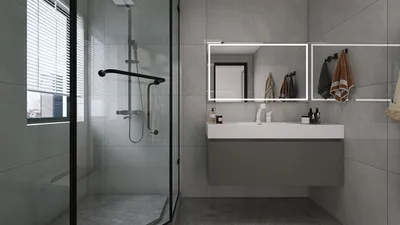


When a client approached me with the challenge of transforming a 3.5 sqm bathroom into a space reminiscent of a boutique hotel, I entertained the whimsical thought of relocating the city into the room for better proportions. Instead, I relied on the walls—quite literally—and began contemplating layers of design. Small, unexpected elements on the walls can completely alter a space, and if you seek practical layout suggestions for your bathroom, you'll discover how crucial walls are in shaping the entire room's ambiance.
1. Striking Tile Bands
Incorporating a horizontal tile band at eye level is one of my favorite ways to add character to short walls without the need to tile the entire space. This approach is both dramatic and waterproof, and it can be surprisingly budget-friendly by utilizing an accent strip instead of full tiles. While this choice does come with the challenge of maintaining grout, using a quality sealant and larger tiles can significantly reduce cleaning time.
2. Satin Paint and Protective Coating
For clients who are budget-conscious, I often recommend using satin or semi-gloss paint mixed with a moisture-resistant additive. This not only brightens windowless bathrooms by reflecting light but also allows for easy repainting if you want a change. However, painted surfaces require extra attention around wet areas—consider splash guards or tile backsplashes in locations where water tends to splash.
3. Floating Shelves and Vertical Storage Solutions
Floating shelves can effectively enhance plain walls and increase utility—think about placing slender shelves above the toilet or next to the mirror. I frequently suggest a combination of materials, such as a wooden shelf with a tile backing, to create contrast. It's important to ensure stability: make sure shelves are anchored into studs or utilize high-quality wall plugs to maintain a tidy and organized bathroom.
4. Using Large Mirrors as Decor
Strategically positioned mirrors can visually expand the space while also serving as decorative panels when framed attractively. For instance, I once adorned a textured paint wall with a bronze-framed mirror, making a compact bathroom feel like an elegant suite. Though mirrors require proper mounting and occasional anti-fog treatments, they create an atmosphere of light and luxury.
5. Creating an Accent Wall with Graphics or Panels
If you're looking to inject personality into your bathroom, consider implementing a waterproof mural, PVC panels, or laser-cut metal designs that can withstand humidity. While these options might be on the pricier side, they provide a captivating focal point. To ensure the design meets your expectations and avoids costly errors, I often use 3D floor visualization tools like Homestyler to create realistic mockups, giving clients a clear preview of how the wall will appear in their space.
Practical Guidelines and Budget Considerations
A solid principle to follow: choose one prominent wall to treat as your primary investment area, while keeping the other walls more subdued. Minor enhancements—like refreshing grout, installing a new shelf, or adding a framed mirror—can yield the best return on investment. For those seeking AI-driven inspiration or quick layout alternatives, tools like Homestyler can suggest color palettes and arrangements based on your images, making it easier to narrow down your design choices.
FAQ
Q1: What paint finish is ideal for bathroom walls?
I advocate for satin or semi-gloss finishes since they are more resistant to moisture and simpler to clean than flat options. For areas prone to humidity, a mold-resistant formula is advisable.
Q2: Is partial tiling acceptable for bathroom walls?
Definitely—using partial tiling like a backsplash or a horizontal tile band can save costs while emphasizing areas most exposed to water, allowing other sections to be merely painted.
Q3: Are wallpapers suitable for bathroom environments?
Conventional paper wallpaper may be problematic; instead, opt for vinyl or specially designed bathroom wallpapers that endure humidity and are easy to clean, ensuring longevity.
Q4: How can I prevent mold on bathroom walls?
Effective ventilation, moisture-resistant paints, and rapid drying techniques are essential. The EPA provides comprehensive recommendations on mold prevention and control, available at https://www.epa.gov/mold.
Q5: What are affordable methods to refresh walls?
Transformative updates can include applying moisture-resistant satin paint, re-grouting existing tiles, or introducing a new mirror or shelf—all of which can dramatically alter the appearance without significant expenditure.
Q6: Is it necessary to hire a professional for wall repairs?
For structural issues like dampness, plumbing leaks, or intricate tiling, hiring a professional can be a wise investment in preventing future expenses and headaches. However, many cosmetic updates can often be tackled as DIY projects.
Q7: How do I decide on colors for a compact bathroom?
Utilizing light, cool hues can enhance the perception of space; pairing it with a single medium-toned accent wall can maintain depth and complexity. Always test samples in the actual bathroom's lighting before making a final decision.
Q8: Which wall materials offer the best humidity resistance?
Porcelain tiles, glass panels, and PVC wall panels, as well as paints that are properly primed and sealed, are optimal choices for wet areas. For technical material guidance, refer to manufacturer datasheets and standards from industry organizations like the NKBA for tailored recommendations.
Looking to transform your space? Homestyler is the ultimate online home design platform! With its user-friendly design tool, stunning 3D renderings, and a wealth of DIY video tutorials, you can easily create and visualize your dream home without any prior experience.
立即免费设计
































