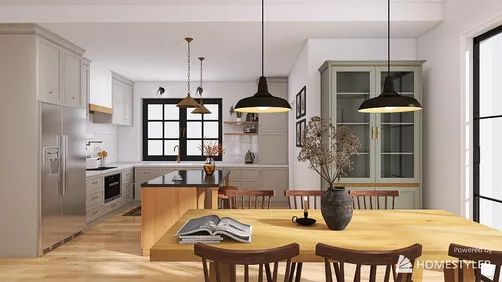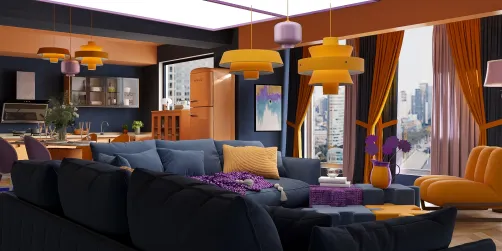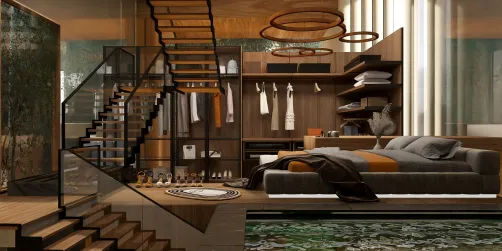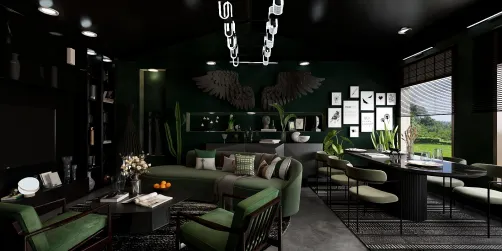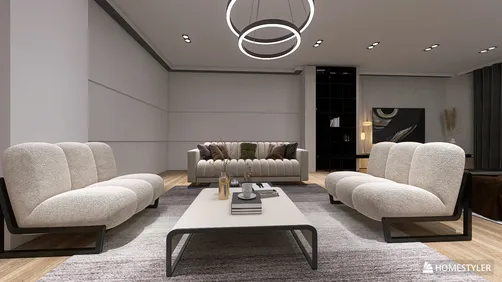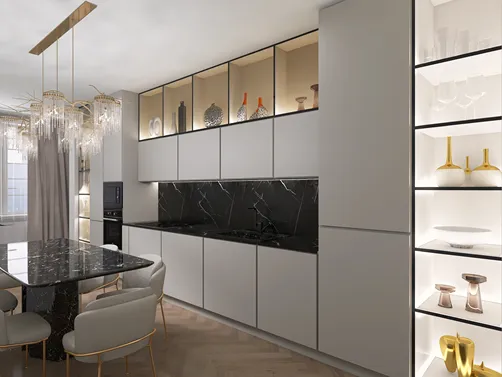


Rather than merely suggesting decorative glass spheres as attractive accessories, my perspective uncovers their ability to transform your room's character—an aspect often overlooked in conventional décor recommendations. While mainstream guides may regard glass spheres as stagnant decorations or fleeting fads, my extensive experience in designing with unique, vintage, and contemporary spheres has led me to realize that their understated ability to reflect light, influence mood, and enhance spatial dynamics is surprisingly significant and more versatile than most assume.
Key Insights:
Commonly, people believe decorative glass spheres belong solely in formal settings or untouched display areas. However, through comprehensive home projects, I have observed their unifying potential in various environments—from chic urban lofts to country-style kitchens—not just as mere ornaments, but as vital elements that energize color, movement, and ambiance. Most articles advise on how to style spheres atop coffee tables, yet few delve into their transformative capability in experiential design. This piece explores the concealed potentials and drawbacks of decorative glass spheres, comparing their effects to other traditional décor elements while offering data-driven methods to effectively utilize them for a style that adapts to your lifestyle changes. (For those interested in experimenting with fresh arrangements, visualize layouts through a virtual interior design tool like Homestyler.)
Can Decorative Glass Spheres Truly Alter a Room’s Atmosphere?
Unlike typical tips that advise on static positioning, I have discovered that glass spheres, based on their hue, finish, and placement, serve as mini light generators that shift the mood throughout the day. A 2023 report from Houzz highlighted that 57% of homeowners surveyed valued reflective decorations for their ability to brighten living spaces. However, few realize that glass spheres enhance this brightness by diffusing both natural and artificial light, casting dynamic shadows and highlights that flat-surfaced objects cannot replicate.
What Is the Influence of Size, Transparency, and Arrangement?
In contrast to conventional advice favoring sets of matched spheres, I’ve found that layering large, translucent spheres with smaller, opaque ones creates visual depth and tactile curiosity—an intricacy that is seldom discussed. Arranging spheres of diverse sizes can visually open up a confined space or provide a base for an open shelf, trumping more conventional décor like framed art. As interior designer Emily Carter noted on Houzz, using irregular groupings can ignite ‘visual narratives’ that individual pieces simply cannot convey.
Are There Undiscovered Risks or Considerations When Using Glass Spheres?
Many articles overlook the potential downsides: while glass spheres exude elegance, they can present hazards in busy, family-friendly areas. Unlike sturdy sculptures, the delicate nature of these items necessitates careful placement to prevent accidents. My design experience suggests that elevating them—such as in wall niches or suspended displays—can create a dramatic effect while enhancing safety. Moreover, excessive clustering can lead to visual chaos, making it essential to balance selection and editing.
How Do Decorative Glass Spheres Measure Up Against Classic Décor Elements?
While many designers prioritize vases and frames, glass spheres distinguish themselves by introducing three-dimensional movement and reflection. A 2022 global décor survey by Statista reveals a growing trend as consumers increasingly desire objects that provoke conversation and curiosity. Decorative glass spheres, in contrast to standard table decorations, achieve this by captivating attention with refracted colors and shifting light, enlivening spaces instead of appearing staged.
Which Spaces Benefit Most from Decorative Glass Spheres?
Based on my experience, the adaptability of glass spheres is unmatched. They not only enhance living rooms, entrances, and bedrooms but have also been successfully employed to invigorate minimalist kitchens and redefine practical areas like home offices. Positioning spheres near a window or lamp can result in enchanting contrasts. (Try utilizing a 3D floor planner such as Homestyler to visualize creative object placements.)
Does Color and Finish Hold Importance Beyond Aesthetics?
While much advice revolves around color harmony, I've noticed a more profound aspect: frosted spheres soften light diffusion, while clear or mirrored glass intensifies luminosity, which is critical for mood control. ArchDaily states that translucent glass objects energize drab corners, while antique finishes add nostalgia or sensory appeal. Carefully selecting finishes allows designers to craft a room's atmosphere without requiring new furnishings.
How Can You Enhance Flexibility with Glass Spheres?
Unlike fixed art pieces or built-in furniture, glass spheres excel in their adaptability. Changing seasons, social gatherings, or shifts in mood? Rearrange your groupings, relocate spheres to interact with different light sources, or blend them with plants for a biophilic effect. The trade-off: their mobility invites both creative exploration and potential mistakes—so remain open to continual layout adjustments. (To safely test configurations before making decisions, use a room planner like Homestyler to preview movable décor settings.)
Could Glass Spheres Reveal Unidentified Design Opportunities?
Many fail to recognize the synergy between artistry and functionality. In my work, integrating LED-based displays, suspended arrangements, or even outdoor installations with weather-resistant glass spheres introduces narrative experiences that no other décor can match. Unlike traditional elements that remain dormant, these innovative components create intrigue and invite sensory interaction—fulfilling an essential niche for artistic, engaging design solutions.
Key Takeaway:
Decorative glass spheres provide more than superficial charm—they can alter mood, light, and narrative flexibility in any environment when chosen and positioned with intention. Their influence rivals that of conventional décor elements, offering experiential depth and flexibility.
Frequently Asked Questions
Decorative glass spheres continue to be one of the most underrated adaptable art forms in interior design. While many focus on mere aesthetics, I firmly believe that the true influence comes from harnessing their capacity to modify mood, illumination, and even spatial flow. Ready to unlock your design potential? Use Homestyler to visualize innovative placements for glass spheres in your home and watch how thoughtfully arranged objects breathe life into your rooms.
Homestyler's roots trace back to Autodesk, the global leader in design and engineering software. That heritage lives on in every feature we build. Today, with a community of more than 20+ million users worldwide, Homestyler continues to make professional-quality interior design accessible to everyone — from first-time decorators to seasoned architects.
Discover your dream home with Homestyler! This online design platform features an intuitive design tool, stunning 3D renderings, and a wealth of inspiring design projects. Plus, you can learn from engaging DIY video tutorials. Transform your space effortlessly—start designing today!
Design Now for FREE