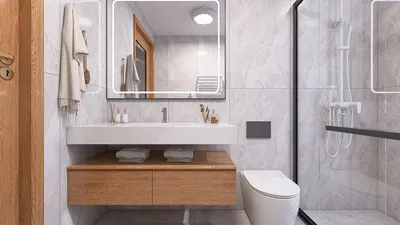


In my experience, I once encountered a client eager to refresh their avocado-green tiles, wanting them to be updated from a style reminiscent of 1974 to something that feels more contemporary, like 2024. They even requested the addition of metallic gold grout. This near-catastrophe illustrated how small bathrooms often require significant decisions, and sometimes the most effective solution might just involve the right combination of paint and primer. Personally, I have developed a knack for finding innovative solutions for compact spaces, as these small rooms often encourage creative thinking.
1. Bonding Primer + Satin Finish: The Timeless Choice
I frequently begin with a bonding primer, especially when the tiles remain structurally intact yet visually outdated. A high-quality bonding primer adheres well to glazed tiles, providing an excellent surface for paint. A satin finish offers a perfect balance between reflectivity and ease of cleaning. Moreover, it is budget-friendly and surprisingly robust. However, the preparation stages, like cleaning and potentially etching, require some effort. I always remind my clients that the efforts put into sanding and degreasing are the unsung heroes of a job that lasts long. Additionally, integrating Homestyler into your planning process can aid in visualizing these transformations.
save pin
2. Two-Tone Paint Blocks to Enhance Visual Dimension
When dealing with a compact bathroom, applying a deeper shade to the lower portion of the tiles while using a lighter tone on the upper half can create an illusion of vertical depth without requiring retiling. I employed this technique in a 28-square-foot guest bathroom, instantly making it feel more spacious. The downside is the need for precision and high-quality tape, plus patterns may influence future sale perceptions. Therefore, sticking to neutral tones could ensure more lasting appeal.
save pin
3. Faux Tile Patterns: Use of Stencils and Geometric Designs
Stenciling allows homeowners to achieve the appearance of new tiles without undergoing the hassle of demolition. A continuous pattern can effectively modernize outdated tiles. I guide homeowners on simple tile painting techniques for accent walls, yielding high-impact results at a fraction of the cost of full replacements. The main challenges include alignment and the need for patience. If you're doing the stenciling yourself, be sure to allocate extra time, or consider hiring a painter to ensure sharp lines. Incorporating tools like Homestyler can aid in perfecting these designs before application.
save pin
4. Chalk-Paint Finish for a Soft, Spa-Like Aesthetic
To achieve a calming and tactile finish, I occasionally utilize chalk or mineral paint over primed tiles, ensuring a solid seal afterward. This approach results in a soft, velvety matte finish that conceals minor imperfections, evoking a boutique spa ambiance. While this finish is comforting and forgiving, it is more porous, necessitating thorough sealing and periodic touch-ups. This style is ideal for those who appreciate a slightly worn, lived-in appearance.
save pin
5. Partial Painting + Tile Exposure: Combining Old and New
When clients are torn between retaining their existing tiles or opting for new ones, I recommend painting specific panels while preserving other sections. This method results in a cohesive yet intentional look. I often create visual mockups for them to see how it balances out before they make a decision; observing the design alleviates uncertainties. While matching tones and grout lines can be slightly more intricate, this approach saves money while maintaining character. Utilizing Homestyler can enhance these visual presentations.
save pin
FAQ
Q1: Is painting over glazed bathroom tiles possible? A: Definitely — thorough cleaning, light sanding or etching if necessary, and using a high-bond primer are essential steps to ensure good adhesion and durability.
Q2: What paint finish works best for tiled walls in bathrooms? A: Satin or semi-gloss finishes are typically ideal as they resist moisture and are easy to clean; matte finishes may require proper sealing but demand more maintenance.
Q3: How long can painted tiles be expected to last? A: With the right preparation, primer, paint, and sealant, you can anticipate a lifespan of 5-10 years in low-traffic bathrooms; high-use showers may need more frequent touch-ups.
Q4: Should I replace tiles or paint them? A: While replacing tiles offers longevity and enhances resale value, painting is quicker and significantly more budget-friendly. I often suggest painting when existing tiles are still sound and a swift, impactful refresh is desired.
Q5: Can painted tiles endure the humidity in showers? A: Painted surfaces can work in shower areas if marine-grade or epoxy paints and sealants are utilized. However, full wet zones present more challenges — many professionals recommend retiling shower floors while keeping painted walls above the splash line.
Q6: Are there health risks associated with painting bathroom tiles? A: Employ low-VOC paints and ensure proper ventilation; for specific advice regarding indoor air quality and VOCs, refer to the EPA’s resources for indoor air quality: https://www.epa.gov/indoor-air-quality-iaq/volatile-organic-compounds-impact-indoor-air-quality.
Q7: What is the most cost-effective solution? A: A bonding primer combined with two coats of quality paint represents the most economical strategy that remains durable; never overlook the primer — it's worth the investment.
Q8: How can I envision a painted-tile appearance before finalizing? A: I recommend testing a small area or creating a visual mockup, allowing you to adjust colors and finishes before applying to the entire wall.
save pin
Homestyler is your go-to online home design platform! With its user-friendly design tool, stunning 3D renderings, and a wealth of DIY video tutorials, you can easily create and visualize your dream spaces. Transform your home effortlessly with inspiring design projects at your fingertips!
Design Now for FREE
































