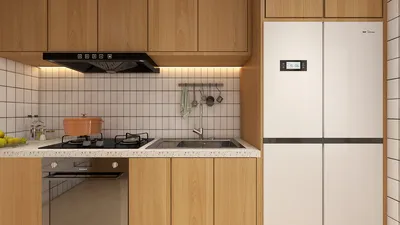


In today's tech-driven lifestyle, managing personal and professional connections efficiently often starts with tools inspired by CRM stock trends. As we integrate more digital organization into our daily routines, creating dedicated home office spaces with ergonomic furniture and smart storage solutions becomes essential. These setups not only enhance productivity but also bring harmony to the space where technology meets comfort and design.
I once designed a tiny office kitchenette for a startup where the CEO insisted on a full espresso bar, a full-size fridge, and a ping-pong paddle display — all in just 6 square meters. This experience taught me that careful planning surpasses mere hope, and that a quick 3D mockup can smooth over relationships between stakeholders and contractors. Limited spaces can ignite immense creativity; below I share five practical tips I've applied in real projects to transform cramped breakrooms into efficient and welcoming kitchens.
1. Slimline modular kitchenette
I enjoy specifying modular cabinets that stack upward and conceal appliances behind sliding doors. This design offers quick installation and straightforward replacement; however, the downside is reduced customization if the wrong module is selected — hence, measure carefully. For budget-conscious projects, I suggest utilizing prefinished modules and making one custom cut for the sink area for cost-effectiveness.
save pin
2. Vertical storage and open shelves
In small office kitchens, wall space becomes your greatest asset. Open shelving above the coffee station keeps everyday items close at hand while creating a sense of openness in the room, although it does require regular organization. I typically combine closed cabinets for less tidy supplies with a couple of open shelves for mugs and plants — merging functionality with a touch of personality.
save pin
3. Dual-purpose island and mobile carts
A narrow island can serve as a preparation surface, an informal meeting area, and a storage solution all at once. I often create a scaled floor plan to evaluate movement before deciding on casters or fixed legs; mobility offers flexibility, though overloading a cart can lead to instability. If your office accommodates occasional catering, select a model with lockable wheels and a sturdy butcher block top for durability.
save pin
4. Integrate compact appliances cleverly
Opt for undercounter refrigerators, drawer dishwashers, and combination microwave-convection ovens to maintain clear counters. The trade-offs may include a slightly higher cost per unit and occasionally reduced capacity, but the benefits include a cleaner work surface and more usable space. I recommend standardizing the heights of appliances early on to ensure cabinetry lines appear cohesive and installation is seamless.
save pin
5. Light finishes, zoning, and traffic flow
Bright surfaces and unobstructed sightlines create the illusion of a larger kitchen; contrast this with a darker accent wall to ground the space. Running a quick mock-up of the paths from sink to fridge to dispenser can confirm effective kitchen traffic flow — a small measure that avoids congestion during coffee breaks. Layered lighting is key: combining task lights under cabinets with a warm central fixture solves both ambiance and functionality.
save pin
FAQ
Q1: What’s the minimum size for a functional office kitchen?
A compact kitchenette can function in as little as 6–8 square meters when you prioritize a sink, refrigerator, and counter space. Effective efficiency and circulation planning outweigh sheer square footage.
Q2: How do I choose between open shelving and cabinets?
Select open shelves for frequently used items and visual spaciousness, while opting for closed cabinets to store supplies and cleaning products. A combination offers a balance between accessibility and order.
Q3: Are mobile islands practical in an office?
Yes — they provide flexibility for events and meetings, but should come with heavy-duty, lockable casters, and you should limit the weight to maintain stability. Consider a mobile island as supplementary storage rather than primary.
Q4: What about ventilation for microwaves and toasters?
Ensure at least basic ventilation and avoid placing high-heat appliances in completely enclosed cabinets; small exhaust fans or range hoods are effective for heavy use. In designing a commercial-grade break kitchen, be sure to consult local regulations about hood requirements.
Q5: How to budget for a small office kitchen?
Define categories: cabinetry, appliances, plumbing/electrical, and finishes. For tighter budgets, prioritize durable surfaces and appliances and conserve on decorative finishes.
Q6: Any rules for spacing and clearance?
Allocate at least 90 cm (approximately 36 inches) of clear walking space in front of work areas when possible, and a minimum of 76 cm (30 inches) for single-pass traffic lanes to prevent collisions. These measures ensure comfortable circulation during busy breaks.
Q7: Are there safety standards to follow?
For ventilation and fire safety in commercial kitchens, adhere to NFPA 96 guidelines; they outline clear standards for exhaust systems and fire safety in cooking environments. If uncertain, consult a licensed HVAC or fire protection specialist.
Q8: How can I test design ideas before committing?
Utilize quick scaled sketches and basic mockups — such as tape on the floor to mark appliances and counters — or produce digital mockups to visualize flow and sightlines. Small tests can uncover significant mistakes early and prevent costly revisions.
save pin


If you're looking to transform your home effortlessly, Homestyler is the way to go! This intuitive online platform offers a superb design tool, stunning 3D renderings, a variety of design projects, and informative video tutorials, making your home design journey both enjoyable and inspiring.

































