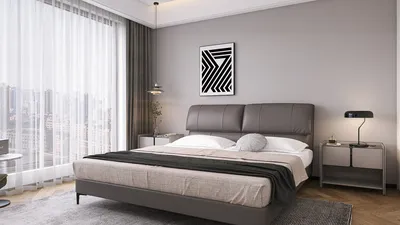


I've transformed numerous living rooms with wallpaper when a complete renovation wasn't feasible. Choosing the right design and texture can enhance proportions, illuminate shadowy areas, and infuse a unique touch of character. Studies back my observations: Gensler's U.S. Workplace Survey indicates that thoughtfully designed spaces have a significant impact on overall experience and efficiency, and similarly, in our homes, a harmonious visual flow can reduce eye strain and encourage longer time spent in a room. Color psychology is also crucial; Verywell Mind highlights that shades of blue evoke tranquility, while yellows can bring energy—valuable insights when selecting a bold accent wall or enveloping design.
Consideration of lighting and the choice of materials should begin with the wallpaper selection. The IES suggests an illumination level of 300–500 lux for living areas. Glossy or metallic wallpapers enhance reflections at these light intensities, while matte grasscloth minimizes glare for a more serene ambiance. WELL v2 underscores the importance of controlling glare and ensuring visual comfort; combining low-VOC wallpapers with warm 2700–3000K lighting creates a soothing evening atmosphere. These guidelines are essential during my sampling process to achieve a well-balanced space for both day and night use.
If you're designing a layout, experiment with focal walls around your seating arrangement prior to adhering any wallpaper—framing a TV wall, fireplace, or bookshelf with wallpaper can significantly alter the flow and sightlines. Utilizing a room layout tool can aid you in visualizing focal points and seating distances close to the patterned walls before making final material decisions.
Sophisticated Wallpaper Strategies That Shine
Classical doesn't equate to dull. I search for patterns that display a calming underlying rhythm paired with a distinctive detail. Here are some styles to consider:
Opt for a damask that closely matches your wall color—imagine a dove gray on warm gray—for texture without overwhelming contrast. This choice diminishes visual distractions in communal areas. Ensure the pattern scale is moderate (with repeats of 12–18 inches) so your sofas and art pieces don't compete for attention. Combine with linen or bouclé fabric for a rich textural feel, and incorporate brushed brass accents to add warmth to the palette.
Pinstripes or delicate ticking stripes provide a subtle optical lift. Target stripes measuring 1/4 to 1/2 inch with low contrast for ceilings under 8.5 feet. Align drapery headers with the rhythm of the stripes to maintain visual coherence. In elongated spaces, wrap stripes around the shorter walls to counteract bowling-alley proportions.
Natural fiber grasscloth contributes gentle texture and slightly softens acoustics by diffusing high-frequency sounds. Choose tighter weaves for a refined appearance; since handwoven types can vary, plan for 15-20% extra for seams. Avoid placing behind radiators or in direct sunlight unless utilizing UV-filtering treatments. Matte textures harmonize beautifully with low-glare lamps and warm LED bulbs.
For expansive sectional sofas, large-scale geometric patterns can restore visual balance. Keep line weight clean and limit the color palette to two or three hues at most. Apply the pattern to a focal wall, then echo one of the colors in cushions and rugs for cohesion. If your living area connects to the dining space, extend the color—omitting the pattern—for a unified flow.
Soft landscape or abstract mural panels can function as an alternative to a large art piece. Center the panel according to the seating arrangement rather than simply the wall. In rooms with several openings, position the mural opposite the main entrance to guide the eye and create an inviting view. A satin finish helps conceal fingerprints while allowing for a gentle light reflection.
Subtle metallic threads or foils introduce an elegant shimmer at dusk. Position these where table lamps can gently illuminate the surface to avoid bright reflections during the day. Opt for warmer metallics (champagne, light bronze) to cultivate a cozy milieu; pairing them with 2700–3000K bulbs is ideal. In north-facing rooms with cooler light, warmer reflectance can invigorate without resorting to bright hues.
Understated floral designs in sage, parchment, and faded indigo embody a timeless quality. Use them in libraries or sitting areas adorned with wooden tones. Keep furniture lines simple to prevent an outdated aesthetic. Incorporate a modern coffee table or minimalist sconces to connect the room's look to contemporary design.
For high-traffic living spaces, textured performance vinyls can mimic the look of grasscloth or linen while providing durability against scuffs and ease of cleaning. Select Type II residential-grade options that emit low VOCs. Ensure to lay seams consistently and utilize lighting at grazing angles to accentuate texture.
Color and Psychology: Creating the Perfect Mood
Color sets an atmosphere even before pattern takes effect. Based on insights into color psychology, shades of blue and green foster calmness and renewal; soft terracotta and muted ochre convey warmth and friendliness; charcoal paired with taupe suggests sophistication without seeming austere. In multifunctional living rooms—designated for relaxing at night and remote work during the day—opt for a neutral base and introduce mood through removable murals or a singular accent wall.
Scale, Repeat, and Proportion
Align pattern scale with room dimensions and viewing distance. In compact spaces (under 180 sq ft), select patterns with repeats less than 12 inches or go for tone-on-tone textures. Larger rooms can support 18-24 inch repeats visible from distances of 7–9 feet. If you have tall ceilings, consider introducing a chair-rail division: subtle patterns below, bolder designs above, maintaining an elevated view without encroaching on the seating area.
Light Strategy and Reflectance
Evaluate your wallpaper under the actual lighting conditions in the evening. For spaces that depend on sconces and table lamps, matte or eggshell finishes help minimize hotspots. Highlight textures with wall washers or adjustable lighting. Aim for layered illumination—ambient lighting at 300–500 lux, task lighting around 500 lux for reading—and ensure consistent color temperatures to prevent shifts in hue throughout the design.
Layout Techniques that Highlight Wallpaper
Wallpaper should elevate the interior layout rather than clash with it. Position key patterns prominently behind the main sofa, maintaining a clear 6-8 inches between art frames and dominant pattern details to avoid visual conflicts. When framing a fireplace, ensure pattern seams align with mantle edges for visual coherence. If adjusting your furniture arrangement, leverage an interior layout planner to model sightlines and verify that wallpapered walls are in clear view from primary seating.
Material Wellness and Sustainability
Prioritize wallpapers made with low-VOC inks and adhesives, especially in family-friendly areas. Investing in natural fiber papers and certified substrates enhances air quality and ensures long-term comfort. If opting for vinyl to improve durability, choose phthalate-free varieties and ensure good ventilation during installation. Proper preparation—including wall smoothing and using wallpaper-specific primers—extends wallpaper's lifespan and minimizes waste.
Field Installation Insights
Carefully measure wall dimensions and add 10-15% extra for pattern matching; if using hand-printed or textured styles, bump this up to 15-20%. Snap chalk lines to maintain vertical alignment; begin from the visual center of the room (often the fireplace or TV wall) to conceal corner cuts effectively. For rental spaces, high-quality peel-and-stick options with thicker films offer a smoother application and clean removal—just be sure to test a small section first.
Combining Wallpaper with Furniture and Artwork
Allow one design element to take the lead: if the wallpaper is subtle (tone-on-tone), introduce a striking sofa or bold artwork. If the wallpaper is the focal point, keep furnishings in neutral textures—consider wool, chenille, or leather—and use generous mats to frame artwork, allowing space for breathing room. Metallic wallpaper complements both stone and glass surfaces; floral patterns find harmony with oak and vintage brass.
Trends to Watch for 2024-2025
I’m observing an emergence of layered neutral palettes and tactile wall textures, alongside a move towards biophilic designs—featuring leafy murals and botanical sketches—all harmonized by streamlined furniture. Shades like chocolate brown, moss, and muted plum are stepping in to replace stark black-and-white contrasts. Subtle shimmering finishes are gaining popularity, casting a glow without excessive glamour.
Authority & Further Reading
For research-backed design insights, explore Gensler's studies on how environments shape experiences and Verywell Mind’s exploration into color psychology. These resources align with my residential project applications, particularly in finding a balance between aesthetic appeal and comfort.
Frequently Asked Questions
Light, tone-on-tone textures, fine vertical stripes, and small-scale geometric designs can create a sense of spaciousness or lift without overcrowding. Maintain low contrast and keep repeats under 12 inches to avoid visual clutter.
Yes, if you appreciate a gentle patina. For areas subjected to frequent contact, opt for performance vinyl that mimics grasscloth on lower sections and authentic grasscloth above a chair rail to blend durability with texture.
Identify the wall that anchors your main seating area—typically the fireplace or TV wall. Verify sightlines with a layout simulation tool to ensure the pattern acts as a focal point from primary seating positions.
Desaturated blues, blue-green shades, sage, and warm grays promote relaxation. Pair these with 2700–3000K lighting to maintain a cozy atmosphere, and avoid high-gloss finishes that may reflect harshly at night.
You can, but remember to edit carefully. Choose a bold pattern enriched with ample negative space and frame art with wide mats. Keep the color schemes of the art and wallpaper harmonious so they don’t compete for attention.
Measure the total square footage, adding 10-15% for standard patterns; for hand-printed or textured papers, increase this to 15-20%. Always account for openings like doors and windows.
Matte or eggshell finishes help reduce reflections. If metallics are your preference, place them away from direct sunlight and orient lamps to gently graze the surface rather than spotlight it.
For renters or quick updates, choose thicker films and ensure walls are smoothed thoroughly. Anticipate lesser forgiveness for bubbles compared to paste-the-wall alternatives; using a felt squeegee can aid in achieving a smooth surface.
Utilize wallpaper to delineate the living area, then carry a dominant hue into neighboring spaces through paint or textiles. Restrict complex patterns to the living area while integrating the hue in adjacent dining or kitchen areas for a seamless transition.
Textured papers like grasscloth slightly moderate sound reflections, but complement these with rugs, curtains, and upholstered items for improved acoustic comfort.
In spaces with lower ceilings, light-toned patterns can create an appearance of height. Opt for soft textures or micro-patterns, and align lighting appropriately to avoid creating glare.
Dust regularly with a soft brush. For vinyl materials, use mild soap for spot cleaning and refrain from abrasive pads. Maintaining stable humidity levels will help prevent seam stress.
Yes—select low-contrast patterns to minimize moiré effects on-screen. Matte finishes will help avoid reflections. Conceal cables to ensure a polished appearance.
Always opt for low-VOC, manufacturer-recommended adhesives and a wallpaper-specific primer. Ensure that the area is well-ventilated during installation and curing periods for optimal results.
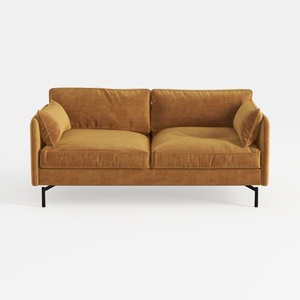
Modern Velvet Upholstered 2 Seater Sofa With Black Metal Legs 3D Model
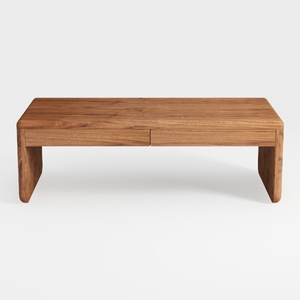
Minimalist Solid Wood Two Drawer Coffee Table 3D Model

Rustic Solid Oak Round Coffee Table Unique Geometric Base 3D Model
Looking to transform your home? Homestyler offers an exceptional online design tool equipped with stunning 3D renderings, an extensive gallery of design projects, and handy DIY video tutorials. Create your dream space effortlessly and unleash your creativity—perfect for homeowners and design enthusiasts alike!
Progetta ora GRATIS
































