

Introducing a pergola into your living area can transform the entire ambiance, functionality, and flow of the space. A thoughtfully designed indoor pergola establishes elegant spatial boundaries, defines seating areas, and controls both light and sound while adding a sculptural element. Over the years, I have integrated pergolas to enhance the rhythm above conversation spots, create a cozy reading alcove, or gently direct movement without the need for solid walls.
Designing with comfort and efficiency in mind is essential. Research from Steelcase shows that individuals experience a 15–20% boost in perceived comfort and control when they can modify their environmental conditions like lighting and acoustics—an indoor pergola can achieve this with features such as shading, adjustable lighting, and acoustic dampening. The WELL v2 standard also prioritizes visual comfort and glare reduction in its lighting criteria, proposing approaches that modify brightness and lessen the direct view of bright sources. I often tailor pergola lattice designs to obscure sightlines to windows during peak solar hours while providing ambient lighting for evening ease.
Color plays an important role in interior design as well. According to color psychology insights from Verywell Mind, shades of blue and green promote tranquility, whereas warm neutrals help foster inviting social environments. When finishing the pergola’s structural components, I select cooler colors for reading spaces to maintain calm and warmer hues for lounge areas to stimulate conversation. For optimal energy usage and lighting selection, I adhere to IES guidelines, usually targeting 100–300 lux in general living areas and incorporating task lighting ranging between 300–500 lux at reading spots, all filtered through or integrated within the pergola framework to prevent hotspots.
Defining Spaces Without Enclosures
A pergola serves as a natural overhead cue: it visually lowers the ceiling height above the seating, carving out a specific area while keeping the room open and airy. I generally position the pergola centrally above the coffee table, aligning its beams with the main traffic flow. If you are considering various layouts or beam configurations, utilizing a room layout tool can assist you in simulating movement patterns and sightlines prior to actual construction: room layout tool.
Managing Light, Glare, and Shadow
Light is essential for a pergola's functionality. During the day, a finely crafted lattice diffuses harsh sunlight, minimizing glare on screens and glossy surfaces. In the evening, I strategically place LED strips along the tops of the beams to reflect light off the ceiling and complement this with one or two low-glare wall washers. Aim for a consistent color temperature: 2700–3000K for a warm ambiance, or 3500K for a fresher feeling in the living room. It’s essential to maintain gentle contrast ratios to reduce visual fatigue; the WELL standards on luminance balance offer excellent guidance: WELL v2.
Choosing Sustainable Materials
The choice of materials significantly influences both style and functionality. Solid white oak provides inherent durability and depth, while FSC-certified laminated bamboo is lightweight and stable—ideal for long spans. For painted pergolas, I recommend low-VOC finishes to ensure healthy indoor air quality, opting for matte surfaces that mitigate glare. If sound absorption is a concern, consider using felt-wrapped beams or integrated acoustic panels between components. I generally shy away from heavy glass elements overhead unless aimed at achieving a precise reflective effect; wood and mineral composites tend to offer superior acoustic comfort.
Proportions, Rhythm, and Aesthetic Design
Proportion is critical for aesthetic appeal. A general guideline is to use beams with a thickness of approximately 30–45 mm and a clear spacing of 200–300 mm for typical living rooms, adjusted to match ceiling height. For ceilings under 2.6 m, keeping the pergola shallow at about 150–200 mm prevents the space from feeling compressed. Align beams with architectural features like window frames, fireplace surrounds, or built-in shelves. I often adjust spacing slightly—certain areas get tighter spacing for focus while looser spacing helps in circulation areas to encourage natural movement.
Incorporating Technology and Efficient Cable Management
A pergola also serves as an unobtrusive platform for lighting fixtures, speakers, and various sensors. I run low-voltage wiring through the hollow beams and route them down through a supporting post to a junction box discreetly hidden behind a piece of furniture. Indirect lighting implementation helps minimize glare on monitors, and small adjustable spotlights can be embedded within the beams to highlight artwork. For smart lighting controls, I recommend separate circuits for ambient, task, and accent lighting layers, enabling tailored settings for reading, entertaining, or movie watching.
Furniture Arrangement and Flow Dynamics
Position the pergola at the heart of social interactions. Arrange seating so that main sightlines are directed under the pergola structure rather than into it, ensuring that faces are well illuminated while distracting shadows are minimized. Maintain a clear path of 900–1000 mm around the perimeter, with at least 450 mm between the coffee table and sofa to allow sufficient knee space. If testing various seating arrangements—like an L-shape versus opposing sofas—using an interior layout planner can facilitate a better understanding of scale and distance: interior layout planner.
Color Perception and Finishing Details
Utilize the pergola to create a layered color scheme. A warm wood color above a terracotta carpet enhances closeness, while charcoal-painted beams with sage-colored upholstery create a calm, modern aesthetic. Based on color psychology principles shared by Verywell Mind, cooler palettes enhance concentration; I incorporate these tones into reading spots through subdued blues or greens on overhead elements. Ensure that ceilings are lighter than beams to maintain visual elevation, and reflect pergola colors in smaller accents to avoid a top-heavy visual effect.
Enhancing Acoustic Comfort
In spaces with lofty ceilings, sound can become overwhelming; a pergola helps to break down echo patterns and provides locations for including acoustic materials. I favor thin, soft felt barriers placed on top of beams (hidden from view) along with soft textile furnishings—such as rugs and curtains—to absorb mid and high-frequency sounds. Placing bookshelves against side walls can help diffuse sound and avoid long, parallel runs that amplify echoes. This combination enhances conversation clarity without raising the volume excessively.
Integrating Natural Light and Greenery
Combine pergolas with indoor plants for a biophilic effect. Hanging lightweight planters from secondary supports adds texture and complexity to the shadows. Ensure that foliage remains clear of light fixtures and utilize drip trays or self-watering pots to protect surfaces. If your living room is oriented south, choose plants that complement your shading strategy to prevent dense shadows from obstructing task areas.
Safety, Stability, and Installation Tips
Even more decorative pergolas require solid support. I map beam placements to joists or use spreading plates at joints where joists aren't aligned. For instances where lighting, speakers, or planters are included, I verify that fasteners can sustain the load and incorporate concealed steel reinforcements in main beams for added support. In apartments with concrete flooring, consider non-invasive designs that spread the load through walls or built-ins.
Trends for 2024–2025
Present-day interior designs favor warmth and minimalism—subtle palettes, textured woods, and gentle lighting. Pergolas align beautifully with this aesthetic when they are slender, meticulously designed, and complemented by indirect lighting solutions. I commonly observe the emergence of smaller pergolas over niche seating areas, including hybrid metal-wood structures finished in darker tones for a refined appearance. The integration of acoustic materials and intelligent lighting systems is becoming the norm, providing living spaces with improved control and reduced visual clutter.
Practical Layout Scenarios
- For small living areas: Keep the pergola compact (1.8–2.2 m long), ensuring it aligns with sofa width, while utilizing higher beam spacing to minimize heavy shadows.
- For long and narrow spaces: Position beams perpendicular to the length of the room to create a more expansive feel; introduce a smaller secondary grid near the dining area to mark a transition.
- Media-centric arrangements: Install indirect lighting behind beams while ensuring the screen is slightly forward of the pergola edge to avoid moiré patterns caused by shadows.
Caring for Your Pergola for Longevity
Durability of finishes is crucial in homes with high foot traffic. I recommend using hardwax oils on wood for maintaining the natural grain appearance, or a low-gloss polyurethane for greater durability. Regular dusting of the upper surfaces every three months prevents buildup around lighting fixtures. If acoustic features are included, opt for removable panels for effortless updates.
Frequently Asked Questions
Q1: Will an indoor pergola create a cramped feeling in my living room?
A1: Not if proportions are accurately managed. Use moderate beam depths (150–200 mm for low ceilings) and lighter finishes; the grid will denote a space without enclosing it.
Q2: How can I reduce glare from windows and screens?
A2: Implement the pergola to disrupt high-angle sunlight and include indirect lighting above beams. The WELL v2 lighting principles advocate methods to minimize direct glare and balance brightness levels.
Q3: What light intensity should I target?
A3: For living areas, the IES suggests ambient light levels around 100–300 lux. Reading nooks, however, require task lighting around 300–500 lux, preferably indirect or shielded to prevent glare.
Q4: Which materials are optimal?
A4: Solid hardwoods such as oak or ash, laminated bamboo, or wood-composite beams are recommended. Choose low-VOC finishes and matte surfaces for visual comfort; consider adding felt materials if acoustic aids are needed.
Q5: Is it possible to combine smart lighting and speakers with the pergola?
A5: Absolutely. Route low-voltage wiring through hollow beams, with dedicated circuits for ambient, task, and accent lighting, and use recessed channels for LED strip lighting to maintain a clean aesthetic.
Q6: How do I arrange furniture beneath a pergola?
A6: Centralize the grid above the main seating area, maintain circulation paths of 900–1000 mm, and align sightlines with the rhythm of the beams. Explore various configurations using a simulation tool for better visualization of spacing.
Q7: What colors should I use for painting or staining the pergola?
A7: Warm wooden tones encourage sociability; cooler, subdued colors enhance concentration in reading zones. According to Verywell Mind’s insights, using shades of blue and green can promote relaxation—perfect for focused areas.
Q8: Will the pergola improve acoustic performance?
A8: Yes. The pergola structure disrupts flutter echoes; you can also include hidden felt baffles or soft materials to absorb sound, making conversations clearer at lower volumes.
Q9: Is installation practical in rental properties?
A9: Consider non-penetrating designs that secure to walls or built-ins, avoiding any drilling into slabs. Modular constructions make for easy disassembly upon moving out.
Q10: How can I maintain the pergola?
A10: Regularly dust surfaces, clean with mild soap, refresh oil finishes every year or so, and evaluate fasteners annually—especially if you have fixtures or plants hung from it.
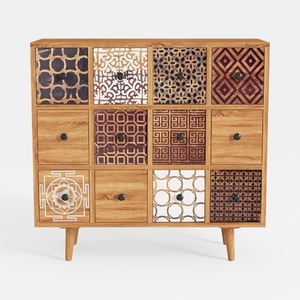
Bohemian Solid Wood Multidrawer Accent Cabinet With Patterned Fronts 3D Model
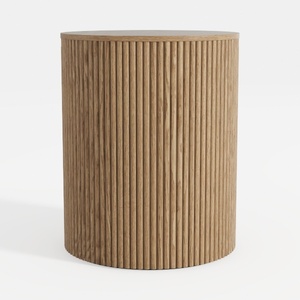
Minimalist Fluted Oak Round Side Table 3D Model
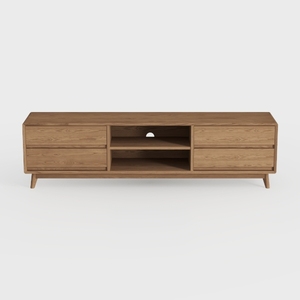
OKD TV Stand for 75+ Inch TV, Mid Century Modern
Looking to transform your space? Homestyler makes home design a breeze! With its user-friendly online design tool, stunning 3D renderings, and a wealth of DIY video tutorials, you'll find all the inspiration and support you need to create your dream home effortlessly.
Design jetzt kostenlos
































