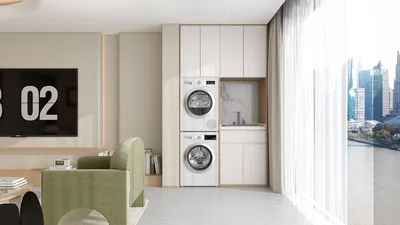


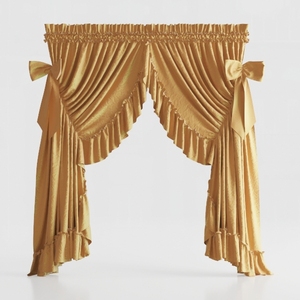
Gold curtains can truly transform an ordinary living room into a spectacular space when paired with appropriate lighting, materials, and layout. I perceive gold not just as a solitary hue, but as a range—from light champagne to rich antique brass, each shade reacts uniquely to daylight, wall colors, and finishing touches. In homes with limited natural light, I prefer using lighter gold tones with a subtle sheen, which can reflect ambient light nicely without producing glare, enhancing the room’s brightness naturally.
Designing for quality light is supported by substantial evidence. The WELL Building Standard (WELL v2) underscores the importance of glare reduction and suitable illuminance to promote visual comfort and circadian health, guiding designers towards softer lighting and harmonious contrasts. Additionally, the IES (Illuminating Engineering Society) advocates for a combination of ambient, task, and accent lighting to prevent harsh brightness levels on surfaces and fabrics. Research from Herman Miller reveals that enhancing visual comfort and minimizing glare boosts well-being and focus, principles that are equally vital for residential spaces. For further insights, consider exploring the WELL v2 and IES guidelines.
Selecting the Perfect Gold: Color, Texture, and Finish
I begin by categorizing the different shades of gold: champagne (light and cool), honey (a warm mid-tone), and antique brass (darker and muted). Lighter shades can enhance perceived brightness and pair effectively with soft whites (LRV 70+), while deeper golds provide weight to earthy tones such as taupe, terracotta, or walnut. Texture is essential: matte linen provides a soft, diffused look, while sateen or silk blends introduce a reflective quality. In rooms that receive intense direct sunlight, a semi-matte finish will reduce glare while maintaining a warm glow from the curtains.
Thoughtfully Layer Natural and Artificial Lighting
Gold beautifully interacts with layers of light. I recommend using sheer gold voile during the day to diffuse light and complement it with lined drapery in the evening for added warmth. According to typical residential practices highlighted by IES, a living room should aim for ambient lighting of around 150–300 lux, with task lighting near 300–500 lux in reading areas. Combining warm-white LEDs (2700–3000K) with dimming options enhances the golden nuances and creates a serene evening ambiance. Uplight wall washers can also elevate the shimmer of gold curtains while distributing light evenly across the fabric.
Combining Gold Curtains with Wall Colors
Gold requires a well-matched backdrop. Personally, I've seen great success with soft greige, warm whites, or softened sage tones; stark white walls can sometimes render gold too intense. For darker walls, opting for lighter golds—such as champagne or honey—ensures a fresh contrast while maintaining the room's luminosity. Utilizing eggshell finishes with a mid-sheen can reflect light back into the room without excessive glare.
Drapery Hardware, Heading Styles, and Proportions
The choice of drapery hardware plays a crucial role in the overall aesthetic. I favor brushed brass or warm black rods that complement gold without overshadowing it. For a sleek, contemporary look, ripple-fold headings are ideal, while pinch pleats offer a tailored appearance in more traditional settings. Extend hardware rods 6–10 inches past the window on both sides to allow for the curtains to stack off the glass, maximizing natural light. Hanging them high—about 2–4 inches below the ceiling—will create the illusion of taller walls. Puddling at the bottom is optional; a light break of ½–1 inch helps keep the look neat and prevents dust accumulation.
Dual-Layer System: Sheers and Blackout Panels
A two-layer curtain system allows for flexibility: use sheer gold during the day and lined or blackout curtains at night. Thermal linings can help stabilize indoor temperatures, minimize UV damage to furnishings, and slightly improve acoustic performance, particularly beneficial in rooms with hard flooring. This method also aligns well with WELL v2 standards that promote access to natural light while ensuring comfort within living spaces.
Mixing Textures: Balancing Gloss and Matte Finishes
To avoid an overly shiny appearance, balance gold curtains with matte and textured elements like bouclé upholstery, open-pore wood finishes, or lime-wash walls. I usually reserve gloss for accent pieces, such as metallic side tables or picture frames, to create a layered look rather than a flashy one. If the curtain fabric has a sheen, select more matte rugs, and conversely, if the curtains are matte, consider using silk-blend pillows for a subtle harmony.
Subtle Accents that Complement Gold
Incorporate touches of gold in moderation: through lamp bases, artwork frames, or woven metallic threads in cushions. A 60-30-10 color ratio works well: 60% base neutrals, 30% complementary colors (like sage, clay, or charcoal), and 10% gold accents. Given that curtains represent a significant portion of these 10%, keeping additional metallics minimal will help maintain brightness balance and prevent visual fatigue.
Window Types and Curtain Weight Considerations
For tall casement windows, opt for lighter fabrics to avoid a bulky appearance and maintain a sleek stack-back. For wider sliding doors, slightly heavier panels or center supports can be useful to prevent sagging; a ripple-fold track can facilitate smooth operation. In bay windows, using segmented rods with mitered corners can keep the look streamlined, and lighter gold tones help maintain a cleaner appearance across multiple panels.
Controlling Glare and Ensuring Visual Comfort
Direct sunlight on reflective fabrics can create unwanted glare. To combat this, I position accent lights away from the curtains and use layered sheers to diffuse harsh rays during peak sunlight hours. It's essential to achieve balanced reflectiveness across all significant surfaces; if the gold reflects brightly, nearby walls and floors should not be overly glossy. Such adjustments support an aesthetically pleasing luminance level as recommended by IES.
Enhancing Acoustics and Softness
Living rooms with hard flooring can greatly benefit from floor-length curtains that absorb higher frequency sounds, minimizing echo effects. Heavier, lined gold drapes add a noticeable softness, especially in spaces with abundant glass. I also suggest pairing curtains with textile wall art or a plush rug to enhance overall acoustic comfort.
Sustainability: Fiber Choices and Longevity
I prioritize fabrics that are OEKO-TEX certified, along with recycled polyester blends or sustainable silk alternatives. Choosing durable linings can prolong the life of the curtains and diminish fading. Sticking to timeless gold shades rather than trending bright colors ensures your decor remains stylish throughout the seasons.
Layout Strategies Around Windows
To maintain a bright atmosphere, avoid placing tall, dark furniture directly beside windows. Low-profile seating near windows will help preserve sight lines and facilitate natural light flow. When experimenting with furniture arrangements and curtain stack-backs, a simple layout simulation tool can be incredibly helpful to visualize different options before making permanent changes.
Optimizing Small Spaces for Light, Scale, and Rhythm
In compact living areas, I recommend ceiling-mounted tracks and full-height panels to visually elevate the ceiling. Opt for lighter gold shades with fine vertical textures to create rhythm without adding volume. Keep patterns subtle as bold designs may overwhelm the limited space.
Modern vs. Classic Design Approaches
For modern settings: choose ripple-fold champagne gold curtains, slim black hardware, minimal trims, and linear sconces. Classic interiors benefit from pinch pleat honey-gold drapery adorned with layered trims and brass rod finials. Transitional styles can blend both aesthetics—consider matte-gold linen with clean headings and understated detailing to create cohesion.
Incorporating Art and Greenery into the Design
Art frames in muted brass can reflect the golden hues of the curtains without competing for attention. Incorporating warm-toned plants, such as rubber trees or philodendrons, can soften the metallic accents beautifully. Aim for a cohesive palette; utilizing two to three complementary colors will achieve a harmonized visual composition.
Maintenance and Care for Longevity
Regular dusting with a soft brush attachment is advisable, ideally once a month. Spot-clean any stains right away while testing in less visible areas first. Consider lining fabrics to shield them against UV exposure and heat, which can degrade the materials and color over time. Rotate tiebacks and variations in hanging positions regularly to avoid permanent creases or marks.
Frequently Asked Questions
For a spacious feel, select champagne or pale honey gold with a semi-matte finish. These options reflect ambient light gently without creating harsh glare, keeping the environment open and airy.
Utilize layered sheers for daytime use, steer clear of directing spotlights at the fabric, and choose 2700–3000K LEDs with diffusing effects. Ensure adherence to layered lighting frameworks suggested by IES.
Warm whites, soft greige, and muted sage shades complement gold effectively while maintaining brightness. Lighter golds should be your choice for darker walls to ensure the contrast remains vivid.
Ripple-fold headings on a ceiling-mounted track provide a streamlined and uniform wave suitable for modern living spaces.
Absolutely. Installing lined, floor-length curtains enhances sound absorption, mitigating echo in areas with substantial window space and hard surfaces.
Warm-white 2700–3000K LEDs enhance the richness of gold and create a cozy atmosphere during evenings. Including dimmers allows for easy brightness adjustment.
Position rods 2–4 inches below the ceiling or crown to give the illusion of taller walls. Extending rods 6–10 inches beyond the window permits optimum daylight access.
While not essential, having linings bolsters privacy, enhances thermal performance, and maintains color integrity, allowing for effective control over nighttime light levels.
Brushed brass offers a classic warm feel, while warm black provides a contemporary contrast. Avoid excessively glossy hardware if your curtains already possess sheen.
To achieve balance, pair with matte textures—such as bouclé, natural wood, and thick rugs—and limit metallic accents to small elements like lamp bases or picture frames.
Definitely. Using lighter golds, full-height panels, and slim tracks helps create the illusion of a larger space without adding physical weight.
Care for your curtains by vacuuming gently, spot- cleaning cautiously, and utilizing quality linings for UV protection. Regularly rotate tiebacks and curtain positions to prevent creases and marks.


Homestyler is the ideal online platform for transforming your home design dreams into reality. With its user-friendly design tool, stunning 3D renderings, and a wealth of design projects and video tutorials, you can effortlessly create inviting spaces that reflect your style.
Design Now for FREE
































