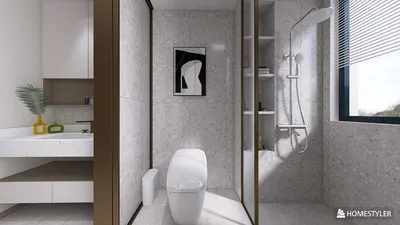


The combination of yellow and teal can transform a living room from mundane to vibrantly welcoming. I often rely on this pairing when a space needs a dose of vitality while maintaining serenity: yellow radiates warmth and positivity, whereas teal brings stability and clarity. The effectiveness of this color scheme depends on the right lighting, proportional balance, and tactile materials that invite everyday use, especially with tools like Homestyler for visualization.
The impact of color choices is undeniable. According to research from Verywell Mind on color psychology, yellow is linked to joy and heightened energy levels, while cooler shades such as teal, a blue-green variation, promote tranquility and concentration—ideal for multi-functional living rooms where family bonding and quiet reading exist side by side. In professional settings, studies by Gensler show that well-balanced environments lead to improved performance; this principle applies to home settings as well: an optimally lit and ergonomically designed living room enhances both mood and daily activities, which can be effectively planned using Homestyler.
The quality of light is as important as the colors chosen. As per the IES guidelines for living areas, general spaces should have about 10–20 footcandles (around 100–200 lux) of ambient lighting, while task areas—like reading nooks—should benefit from 30–50 footcandles (300–500 lux). Aligning these lighting levels with your yellow and teal color scheme helps to avoid glare, preserves color accuracy, and maintains comfort during lengthy evenings spent in the living room, a setup that can be easily designed with Homestyler.
Define the Color Scheme: Hue, Saturation, and Ratios
I follow a 60-30-10 distribution: 60% neutral shades (soft white, warm gray, or gentle greige), 30% teal to add depth in larger furnishings—like sofas, curtains, or an accent wall—and 10% yellow for highlights—such as throws, artworks, ottomans, or lamp shades. Using medium-saturated teal (around LRV 20–30) stabilizes the space, while brighter yellow (LRV 50–70) reflects light and enlivens areas that might appear flat. This approach helps to avoid visual fatigue, allowing both colors to remain distinct at various times of the day, a consideration that can be mapped out using Homestyler.
Natural Light and Color Temperature considerations
South-facing rooms can accommodate deeper teals and softer yellows, whereas north-facing spaces often require brighter yellow shades to counterbalance cooler light. For evening settings, I recommend layering lights: using 2700–3000K warm ambient lighting to enhance yellow accents, 3000–3500K task lamps to maintain the clarity of teal without becoming dull, and dimmable controls for flexibility in light intensity. Managing glare is also significant: opt for subtly diffused shades and reflect light off ceilings or light-colored walls.
Textures and Comfort: Make It Usable
Color is merely part of the equation; tactile experiences draw people in. Consider a teal linen or cotton-blend sofa paired with a boucle or wool-blend yellow throw to create contrast without overwhelming the eyes. Incorporate a hand-tufted rug in cream or oatmeal featuring teal accents and small yellow details—avoid making the floor feel cluttered. In sunny regions, select solution-dyed acrylics or performance fabrics to resist fading; in cooler areas, teal chenille or velvet adds cozy weight, balanced by breathable yellow cotton pillows for an open feel, a concept easily modeled with Homestyler.
Wall Approaches: Accent Wall vs. Full Coverage
A teal accent wall behind the sofa can delineate the seating area while keeping walkways bright. If your room height is below 9 feet, consider painting the accent wall a shade lighter than the sample appears (one level up) to prevent a sense of constriction. In smaller spaces, a half-height teal wainscot topped with a warm neutral works well; introduce yellow through art pieces and light fixtures to draw the eye upward, creating an illusion of taller ceilings.
Arrangement and Flow of Furniture
Teal serves best as an anchor where movement naturally slows down: at main seating such as a sofa or in pairs of chairs. Yellow should accentuate areas of activity—narrow tables, reading lamps, or a console near the entry. Ensure pathways maintain a clear width of 30–36 inches and keep 16–18 inches between seating and coffee tables for comfort. If you're experimenting with layouts, utilize a room layout tool like Homestyler to visualize pathways, sightlines, and lighting before finalizing decisions.
Layered Lighting Strategy
I recommend a three-tiered approach: ambient (ceiling fixtures or hidden coves), task (floor or table lamps close to seating), and accent (picture lights, wall washes). Adhere to IES guidelines to ensure effective nighttime illumination and incorporate at least one indirect light source to soften shadows on teal surfaces. A lamp in brass or matte black with a yellow linen shade can enhance skin tones while giving the yellow a gentle glow. Aim for a CRI of over 80 to ensure color fidelity; if teal appears too cool under LED lights, adjust to 3000K and enhance warmth.
Color Psychology and Behavior Considerations
Yellow encourages interaction, making it perfect for social areas, while teal contributes to focus and relaxation. Position yellow close to communal seating and coffee tables, while teal should be nearer reading chairs or the entertainment wall to inspire a calming atmosphere. This thoughtful zoning gives the palette a purposeful touch rather than just a decorative one, which can be planned effectively using Homestyler.
Art, Decor, and Design Rhythm
Curate in groups of three: small yellow accents scattered throughout the room—a pillow, a vase, a book spine—foster rhythm without cluttering the space. Allow teal to manifest in larger segments, interspersed with light woods, patinated brass, or matte ceramics to provide the eye with resting points. Avoid uniformity in accessories; diversifying textures (glazed ceramics alongside raw timber) ensures the palette remains dynamic and engaging.
Sustainability and Material Selection
Opt for FSC-certified woods, low-VOC paints, and durable upholstery to enhance the longevity of your setup. If you're prone to frequent repainting, choose washable matte finishes for walls. For rugs and throws, fabrics like wool and cotton not only age beautifully but also develop a charming patina in contrast to smooth synthetics. Prioritizing durability is key to sustainability—and teal and yellow remain classic when rooted in quality materials.
Acoustic Comfort Essentials
Bold color choices should not exacerbate noise fatigue. Employ dense area rugs, lined curtains, and soft furnishings to soak up mid-to-high frequency sounds. If your space features hard flooring, add felt underlays beneath rugs. Tranquil environments allow color to stand out without overwhelming the senses—something that can be seamlessly planned with Homestyler.
Real-Life Arrangements I Suggest
• For a small apartment: A teal sofa paired with soft neutral walls, two yellow pillows, and a yellow drum shade, complemented by a teal-and-cream rug to visually ground the area.
• In a family home: Consider a teal accent wall behind a sectional, a yellow ottoman, and wooden shelves featuring teal storage boxes. A warm white ceiling light and 3000K task lamps work for reading needs.
• For a sunroom: Use light teal wicker cushions, soft yellow Roman shades, a jute rug, and plenty of plants; choose a 2700K ambient light that filters the daylight gently.
Common Mistakes and Simple Solutions
• Excessively saturating both colors: Mitigate this by integrating texture-rich neutrals and diversifying sheen levels.
• Imbalanced lighting: Incorporate dimmable ambient lighting and lamps with higher CRI ratings.
• A flat composition: Introduce elements like wood, stone, or metal; include one sculptural piece to establish a focal point for the palette.
• Inefficient layouts: Reassess furniture arrangement using an interior layout planner to keep movement pathways functional and seating cohesive.
Frequently Asked Questions
Q1: How should I balance yellow and teal in my design?
A: Begin with a 30% teal base for key pieces and 10% yellow as details against a neutral backdrop of 60%. Adjust according to room size and available light—brighter spaces can accommodate slightly more teal.
Q2: What lighting temperature is optimal for these colors?
A: Use 2700–3000K for a warm atmosphere and 3000–3500K for clarity with tasks. Maintain a CRI of 80+ for color accuracy, in line with IES recommendations for residential comfort.
Q3: What materials work well with yellow and teal?
A: Choose natural wood types (like oak and walnut), matte brass, cream ceramics, and textured fabrics such as linen and wool. These elements soften contrasts while enhancing tactile depth.
Q4: Will this color combination quickly go out of style?
A: Not if you keep the base neutral and allow teal and yellow to emerge in movable items (such as pillows, lamps, and artwork). Changing accents seasonally can refresh spaces without the need for full repaints.
Q5: How can I minimize glare on vibrant colors?
A: Utilize diffusers, indirect lighting, and matte finishes. Position lamps to reflect light off ceilings or light walls to minimize glare on the teal hues.
Q6: Is it possible to incorporate patterns with this palette?
A: Certainly—select one dominant pattern (for example, a rug or curtain) with refined color repetitions, while keeping other surfaces solid to preserve visual clarity.
Q7: How should ergonomics be approached in a living room?
A: Ensure circulation gaps of 30–36 inches and maintain 16–18 inches between seating and tables. Position task lamps within easy reach, with switches placed at comfortable heights.
Q8: How can I include plants in this design?
A: Introduce greenery to connect yellow and teal—glossy leaves can mirror warm light, and terracotta or cream planters can help ground the overall palette.
Q9: Is teal too intense for small spaces?
A: Employ mid-tone teal on a singular wall or larger furniture items, using lighter neutrals and targeted yellow accents elsewhere to enhance reflectivity.
Q10: What’s a sound first step if I’m unsure about the palette?
A: Begin by testing three accent colors—one each of yellow, teal, and a neutral texture—and then adjust lighting as needed. Gradually enhance the composition once it feels well-balanced.
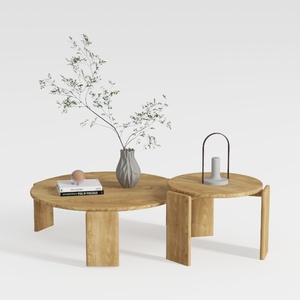
RUSTOWN 2-Piece Round Farmhouse Coffee Table

Walnut Nesting Coffee Table Set - 2-Piece Fluted

Minimalist Yellow Fabric Three Seater Sofa with Wood Legs 3D Model
Homestyler is your ultimate online home design platform, perfect for all skill levels. With its intuitive design tool, stunning 3D renderings, and a wealth of DIY video tutorials, you can effortlessly create and visualize your dream spaces. Transform your ideas into reality today!
Desain sekarang Gratis
































