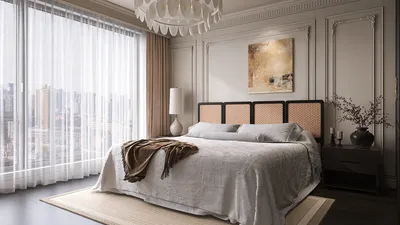


I once had a client request a bright neon pink wall in their living room because they believed it would uplift their cat's spirits. We compromised, toned it down, and ultimately gained valuable insights about creating balance. My experiences with small spaces and unconventional requests have shown me that an accent wall can be one of the most impactful design elements in a living room—and with tools like Homestyler, selecting the perfect wall has never been easier.
1. Textured Plaster Accent
Using textured plaster on a single wall is a favorite technique of mine; it introduces depth without overwhelming colors. This method offers a subtle tactile luxury that can conceal minor wall flaws. However, it might be more expensive and requires a skilled tradesperson. For a modern aesthetic, I like to pair it with simple matte paints and warm lighting. Budget-friendly alternatives include Venetian plaster replicas or faux finishes to save on cost.
save pin
2. Gallery Wall with Bold Frame Colors
Gallery walls provide an effortless way to exhibit art and cherished memories; by painting the frames in a consistent bold hue, the overall appearance becomes cohesive. This technique suits eclectic styles and doesn’t necessitate structural modifications, but it does require thoughtful planning for composition and installation. In compact layouts, this creates a striking focal point while conserving floor space—I've effectively utilized this strategy in small apartments.
save pin
3. Geometric Paint Patterns
Incorporating geometric designs adds character and movement to a living room. The benefits are: total customization and being budget-friendly if you choose to DIY using painter’s tape. The downside is that precision is crucial—messy lines may give an unprofessional look, so it’s wise to test small sections first. If you want to visualize your design digitally, tools like Homestyler can help you experiment with scale and colors before committing to paint.
save pin
4. Wood Slat or Panel Accent
Wood slats bring warmth and sound-absorbing properties, making them ideal behind a sofa or television. They convey a high-end feel and complement Scandi or Japandi styles. Installation can be labor-intensive and might limit wall mounting options, but for renters, removable wood-look panels offer an excellent solution that achieves the desired visual without extensive work.
save pin
5. Wallpaper with Overscale Motif
Large-pattern wallpaper can swiftly transform a space and conceal uneven paint jobs; however, it can be overpowering if the rest of the decor is too busy. I suggest pairing an oversized motif with neutral textiles and a select few statement pieces. If you're uncertain, considering a sample strip or temporary peel-and-stick wallpaper can help you assess how it interacts with daylight.
save pin
Tips 1:
Accent walls thrive on balance: maintain calm surrounding elements, select one dominant wall, and consider sightlines from both the entryway and seating arrangement. For effective planning and 3D previews, utilizing tools like Homestyler can save you time and prevent costly errors.
save pin
FAQ
Q: Which wall should I select for an accent wall in my living room?
A: Choose the wall that is most visible from the main entrance or the wall behind your primary piece of furniture—usually, this is behind the sofa or TV. This establishes a clear focal point that naturally draws attention.
Q: Is it acceptable to have two accent walls rather than just one?
A: Two accent walls can be effective if they create an L-shape or balance opposing focal points, but avoid clashing patterns or colors that could detract attention and make the space feel cluttered.
Q: How can I select colors that won't quickly feel outdated?
A: Opt for muted or nature-inspired tones and incorporate trendy shades through accessories—this helps in keeping the wall timeless while allowing you to refresh the space seasonally.
Q: Are there ways for renters to create accent walls without painting?
A: Absolutely! You can use peel-and-stick wallpaper, detachable wood panels, or large framed art as temporary solutions that safeguard the painted surfaces underneath.
Q: What type of lighting is most effective for accent walls?
A: Directional wall washers or adjustable sconces effectively highlight textures and artwork; warm LED lights complement cozy tones, while cool LEDs work well with modern decor.
Q: How can I ensure the accent wall doesn't make the room feel smaller?
A: Keep the accent color within a tonal range of the room, and steer clear of very dark, cool colors in small spaces—lighter textures or vertical slats can actually enhance the perception of space.
Q: What is the typical cost for a wood slat accent wall?
A: Costs vary widely, but budget options start with pre-finished slat panels; for custom oak slats, expect higher material and labor prices—get quotes from local craftsmen.
Q: Where can I access design tools to visualize my accent wall concepts?
A: For digital mockups and realistic previews, many designers turn to online room planners; for example, using Homestyler provides reliable visualization tools and impressive case studies.
save pin
Homestyler is your go-to platform for transforming home design ideas into reality. With its user-friendly online design tool, stunning 3D renderings, and an array of inspiring design projects and DIY video tutorials, you can effortlessly create your dream space, regardless of your experience level!
Design Now for FREE
































