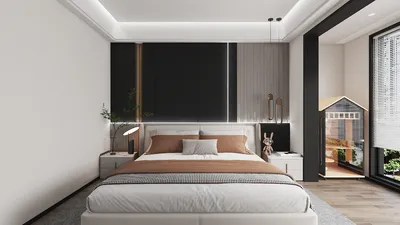


I've incorporated PVC wall panels in various living spaces, from sleek urban apartments to cozy family homes and even rental transformations. These panels not only provide a crisp visual appeal but also excel in durability and functionality. They effectively address common issues such as uneven surfaces, minor sound absorption needs, and low-maintenance requirements.
The performance of PVC wall panels often surpasses aesthetic concerns. The WELL v2 framework emphasizes how sound management can greatly enhance comfort levels, suggesting that effective acoustic solutions can diminish distractions and stress in home environments. Studies by Steelcase show a correlation between sound control in living areas and overall satisfaction, making the selection and layout of wall panels significant to a room's ambiance. For those looking to align with health and design standards, resources from WELL Certified are available at wellcertified.com.
When it comes to visual comfort and light reflection, it’s crucial to give these factors equal consideration. The IES suggests employing layered lighting techniques and managing glare to achieve uniform brightness across surfaces. In living rooms, opting for a matte or low-sheen finish on PVC panels can help scatter light effectively, reducing glare from natural and artificial sources. The IES guidelines serve as a great resource for fine-tuning both ambient and task lighting relative to your panel choices.
What Advantages Do PVC Wall Panels Offer for Your Living Room?
• Texture and depth: Whether choosing fluted, ribbed, or smooth large-format panels, the visual rhythm and scale can transform your space. Vertical designs can enhance the perception of height, while horizontal ones elongate walls, creating an illusion of better proportions.
• Durability: With high resistance to moisture, stains, and scuffs, PVC proves to be an excellent solution for homes with children, pets, or high traffic.
• Low upkeep: The wipe-clean feature of these surfaces ensures your living area remains presentable without the need for harsh cleaning agents.
• Sound dampening: While not primarily designed for sound absorption, textured profiles and air gaps can contribute to reducing echo, especially when complemented with rugs, curtains, and upholstered furniture.
• Quick installation: PVC panels are efficient for hiding minor wall imperfections and can significantly speed up renovation projects compared to traditional wall treatments.
Design Aesthetics: Color, Finish, and Rhythm
The psychology of color subtly influences the ambiance of your living room. Soft, neutral hues like warm greige and taupe promote relaxation and flexible decor. Meanwhile, adding accent walls in muted greens or clay tones can forge a connection with the outdoors and alleviate visual strain. Insights from Verywell Mind suggest that green shades evoke a sense of calm which is beneficial in multipurpose spaces.
The choice of finish also impacts the atmosphere: matte and eggshell surfaces minimize glare, while satin finishes provide a delicate sheen without overshadowing the texture. I tend to avoid high-gloss finishes unless aiming for a distinctly modern theme and managing natural light exposure. Establishing a rhythmic arrangement with consistent panel spacing stabilizes the overall visual appeal, ensuring that transition lines correspond to architectural elements for a cohesive look.
Proportional Layout Strategy
Prior to acquiring panels, it's essential to evaluate sightlines from seating and movement areas. Create a focal point by positioning an accent wall behind the principal sofa or media console, and maintain a subdued atmosphere on secondary walls to prevent visual chaos. For elongated living spaces, consider horizontal ribbed panels to improve proportions; for rooms with lower ceilings, vertical profiles can draw the eye upward. To effortlessly visualize panel placement around doors and windows, utilize a room layout tool to experiment with spacing and trim integration: room layout tool.
Seamless Lighting Integration
The interaction between panels and lighting can greatly enhance the space's dynamics. Strive for a blend of warm ambient lighting (approximately 2700–3000K) alongside strategically placed glare-reducing accents. Wall washers positioned 18–24 inches away from the wall can beautifully illuminate ribbed designs without overwhelming brightness. Maintain gentle transitions in illumination; stark differences in brightness can lead to discomfort. In areas with substantial daylight, opt for matte finishes and soft sheer curtains to diminish harsh reflections.
Sound Comfort Without Excessive Construction
Living spaces often contend with echo due to parallel walls. While texture can mitigate this issue, relying solely on PVC isn’t recommended. Incorporate area rugs, fabric drapes, and upholstered seating for effective sound absorption. If your living room frequently hosts movie nights or virtual calls, think about adding a layer of sound-dampening material behind the panels in critical zones. The WELL v2 guidelines urge managing reverberation for enhanced comfort, and cost-effective home solutions can lead to noticeable improvements without cumbersome renovations.
Material Integrity and Eco-Friendliness
PVC is favored for its durability and ease of cleaning, yet it's crucial to prioritize responsible sourcing. Opt for low-VOC products, ensure adherence to local residential standards, and seek out recycled materials when possible. To soften the synthetic look, blend PVC with natural items like wood, wool, or linen. In humid conditions, PVC panels outperform many painted finishes, leading to fewer repainting cycles and less environmental waste.
Detailing: Joints, Corners, and Outlets
Attention to detail transforms a simple panel wall into a sophisticated feature. Design your corner trims—whether slender aluminum or matching PVC—to ensure clean lines. Align panel edges with door frames or built-in furniture. Plan for outlet cutouts in advance and consider low-profile, paintable covers to keep a streamlined appearance. Adding a shadow gap at the ceiling or base contributes to a modern touch and facilitates easier maintenance.
Budgeting and Phasing the Project
Panel installation can be incremental: begin with the primary feature wall, assess how natural light and daily activities affect the area, and gradually extend the design to adjoining walls if more depth is desired. It’s wise to retain 5–10% surplus materials for adjustments and subsequent repairs. For those in rental situations or looking to modify layouts in the future, modular panels or reversible adhesives offer an adaptable approach without the need for extensive demolition.
Enhancing the Panel Wall's Appeal
Adorn your wall with art ledges, framed artworks, or a streamlined media unit that hides cable management. Textured panels harmonize well with soft furnishings like bouclé, chenille, and natural wood. Aim for a balanced approach—allow the panel rhythm to take center stage without overwhelming decoration. A grouping of plants positioned against the feature wall can add warmth and balance to the overall aesthetic.
Frequent Mistakes to Steer Clear Of
• Using glossy finishes in bright rooms, resulting in excessive glare.
• Misalignment of seams around doors, windows, or built-in cabinets.
• Overlooking acoustic fundamentals—bare floors and hard drapes can amplify sound reflections.
• Overloading on bold textures across every wall; maintain a balanced approach by reserving accent placements.
• Neglecting lighting considerations; panels without well-planned illumination lose their visual impact.
Routine Care and Durability
Caring for PVC wall panels is straightforward: use a microfiber cloth and a mild soap solution for spot treatment, avoiding abrasive materials. Be sure to inspect joints annually, particularly in high-humidity climates, and reattach trim as necessary. With consistent indoor humidity levels and gentle cleaning practices, these panels will retain their appearance for years to come.
Frequently Asked Questions
Q1: Do PVC panels have soundproofing qualities?
A1: While textured PVC can slightly disperse sound reflections, primary sound improvement relies on incorporating soft furnishings and effective room layout. Combining panels with rugs, drapes, and upholstery can significantly enhance comfort levels.
Q2: Are PVC panels safe to use in living areas?
A2: Select low-VOC options and verify compliance with local regulations. Complement synthetic features with natural elements to ensure good indoor air quality and overall comfort.
Q3: How do I determine which finish to select?
A3: Opt for matte or eggshell finishes to control glare and cultivate a serene atmosphere. Satin offers a light sheen; restrict high-gloss to modern concepts with regulated light.
Q4: Which colors are most effective?
A4: Inviting warm neutrals grant versatility to your design. Pendant accents in muted greens or earthy tones foster tranquility—green shades, in particular, are linked to balance, harmonizing beautifully with color psychology.
Q5: Can PVC panels withstand humid conditions?
A5: Certainly, PVC offers better moisture resistance than many painted finishes, making it ideal for humid environments and cutting down on repainting needs.
Q6: How should I strategize the panel layout?
A6: Align seams with architectural features, focus on a highlighted wall, and evaluate sightlines from seating arrangements. To visualize placements around openings, consider utilizing a layout planner tool: interior layout planner.
Q7: What type of lighting complements textured panels effectively?
A7: A warm ambient light spectrum (approximately 2700–3000K) combined with gentle wall wash techniques can enhance panel texture while minimizing glare. Steer clear of harsh spotlights that create hot spots.
Q8: How can I conceal outlets and cables?
A8: Anticipate cutout requirements, look into low-profile paintable covers, and utilize media units with hidden channels. Keeping seams aligned will reduce visual disruptions.
Q9: Will panels contribute to a cramped feeling in small rooms?
A9: Utilizing vertical flutes can create the illusion of higher ceilings, making smaller rooms appear spacious. Light color choices and balanced lighting are essential to preserving an open atmosphere.
Q10: Are PVC panels suitable for rental properties?
A10: Definitely, they are ideal for rentals due to their robustness and ease of maintenance. Explore modular options or reversible installations for adaptability when relocating.
Q11: How much upkeep do these panels require?
A11: Minimal maintenance is needed—simply wipe down with a soft cloth and mild soap as necessary. Inspect joints periodically and refresh trims as required.
Q12: Can I combine PVC panels with different wall finishes?
A12: Yes, absolutely! Mixing painted surfaces, wood trim, or fabric panels can enhance textural diversity and warmth. Ensure clean transitions with matching trims or shadow gaps for a polished look.
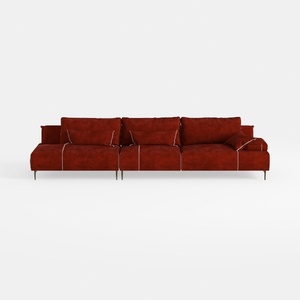

Modern Burgundy Velvet L Shaped Sectional Sofa 3D Model
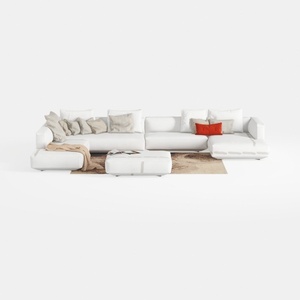
Minimalist White Fabric L Shaped Sectional Sofa with Ottoman 3D Model

Minimalist Glass Top Solid Wood Base Irregular Coffee Table 3D Model
Homestyler is an amazing online home design platform that makes transforming your space a breeze. With its user-friendly design tool, impressive 3D renderings, and a treasure trove of DIY video tutorials, you’ll find inspiration and confidence to create your dream home effortlessly!
Design Now for FREE
































