


Transforming a living room from ordinary to extraordinary is quickest achieved with wallcovering. Luxury wallpaper not only offers color but also enhances scale, texture, and light interaction—qualities that paint cannot match. In high-traffic areas, I prioritize both visual appeal and functionality by selecting wallpapers crafted from durable materials that feature elegant patterns and surfaces that exude richness at any time of day or night.
The functionality of a space is just as crucial as its aesthetics. WELL v2 guidelines suggest maintaining ambient lighting of 300–500 lux in living areas for visual comfort. Similarly, the Illuminating Engineering Society warns that reflective finishes can cause glare if positioned opposite direct light. It is important to match the wallpaper's sheen with the lighting conditions to prevent eye strain and to display texture beautifully rather than creating hotspots. Color also has a significant impact on mood; blues and greens are linked to tranquility, whereas warm neutrals enhance a feeling of coziness, both of which are essential for creating luxurious living spaces.
Effective layout design is vital. Large-scale patterns require adequate space to breathe; strategically placing a well-sized repeat can make a narrow room appear more expansive when centered on the focal wall. To plan the arrangement of furniture and sightlines, I prioritize traffic flow and seating arrangements before testing the wallpaper’s pattern digitally with an interior design tool like Homestyler to ensure visual harmony across windows, built-ins, and artwork.
Grand Scale: Oversized Motifs for Dramatic Focal Walls
In spaces with high ceilings, I embrace oversized botanical designs, bold geometric patterns, or modern damasks. The key to success lies in moderation—a single statement wall behind the sofa or fireplace can anchor the room. Combining large motifs with streamlined furniture such as a sleek sectional, low-profile coffee table, and a carefully curated color palette creates a cohesive look. To minimize glare from reflective inks, I install wall sconces with matte finishes, consistent with IES recommendations for luminous balance.
Textile-Backed Elegance: Grasscloth, Silk, and Linen
Natural fiber wall coverings provide immediate depth and richness. Grasscloth’s textured surface adds warmth, silk reflects light in a sophisticated manner, and linen conveys understated luxury. Since seams are part of the charm, I align them with the vertical lines of windows or built-in shelves to promote visual cohesion. Utilizing warm LED lighting (2700–3000K) enhances these textures; using cooler temperatures can wash out the elegance of these materials.
Metallic Accents: Reflective Glamour without Glare
Incorporating metallic and pearlescent inks can introduce a subtle sheen that elevates the evening atmosphere. I prefer to avoid full-wall mirror wallpapers; instead, I opt for designs with understated metallic threads or micro-flake inks that capture light from lamps. Adhering to WELL’s glare control recommendations, I position metallics subtly in relation to primary light sources and use fabric shades to soften the highlights. Gold hues provide warmth to walnut or cognac leathers, while silver pairs well with cool marble and chrome accents.
Tone-on-Tone Relief: Sculpted Texture that Photographs Beautifully
Embossed vinyls, textured nonwovens, and flocked papers provide tactile dimensions while managing to maintain a monochromatic look. These materials are perfect for clients seeking luxury without overwhelming visual distractions. Tone-on-tone surfaces create depth both in shadows and in daylight. When displaying artwork, maintain a distance of 3–4 inches from major pattern elements to ensure clarity and prevent vibrancy distortion in photographs.
Modern Murals: Panoramic Statements with Measured Proportion
Custom murals, ranging from architectural sketches to abstract landscapes, can dramatically redefine the perception of scale in a room. I align mural heights with ceiling lines: positioning horizons at one-third to half of wall height effectively balances the seated eye level and vertical space. For asymmetrical living rooms, wrapping a mural onto an adjacent wall helps soften corners. Testing mural placement with an interior layout planner like Homestyler ensures that furniture silhouettes do not obstruct vital imagery.
Classic with a Twist: Transitional Damask and Lattice
For clients who appreciate timeless elegance, I recommend modernized damasks with simplified scroll designs or geometric lattices in muted metallic tones. Balancing ornate patterns with contemporary lighting—such as slender uplighting fixtures and hidden cove lights—avoids overpowering shadows. It’s essential to keep the color palette restricted to two primary hues and one accent, maintaining sophistication and steering clear of excessive clutter.
Color Psychology in Practice: Calibrating Mood and Material
Luxury extends beyond superior finishes—it’s about evoking emotions. Shades of blue and green can instill calmness, making them perfect for reading nooks; soft pinks and terracotta convey warmth without being overwhelming; while charcoal ground tones anchor a space for evening gatherings. I use richer colors sparingly on smaller walls or niches, reserving large surfaces for more subdued shades to promote visual rest. Pulling accent colors from the wallpaper, such as a metallic thread or secondary hue, allows for cohesive textile choices throughout the space.
Sustainable Selections: Responsible Luxury
Modern luxury emphasizes sustainability. I prioritize FSC-certified wallpapers wherever possible, low-VOC adhesives, and durable nonwovens that can withstand changes in temperature and humidity near windows. The Material ConneXion database is indispensable for locating innovative materials with enhanced cleanability. For families or those who entertain frequently, choosing wipeable finishes protects the investment while preserving tactile richness.
Lighting the Wallpaper: Layered Illumination Strategy
Effective wallpaper design is heavily influenced by lighting. I aim for an ambient light level of 300–500 lux, supplemented by task lighting of 150–300 lux in seating areas. Wall grazing can accentuate vertical textures, but it’s crucial to keep beam angles narrow to avoid creating scalloped light patterns. Warm color temperatures (2700–3000K) enhance natural fibers and warm metallics, while slightly cooler temperatures (3000–3500K) are ideal for crisp geometric designs. Following IES guidelines on glare management and luminaire positioning is essential when working with reflective inks.
Placement and Proportion: Making the Room Work Harder
Before making any orders, I measure the wallpaper repeat size against the wall dimensions to prevent awkward cutoffs at corners or along doorways. In elongated rooms, alternating textured wallpaper with painted areas helps pace the visual experience. If the living room extends into a dining area, I choose related wallpapers—such as grasscloth in the lounge and a complementary geometric pattern in the dining space. Utilizing a layout simulation tool like Homestyler can help visualize sightlines from the entry and main seating areas.
Material Pairings: Furniture, Floors, and Finishes
Luxurious wallpapers require complementary materials such as bouclé or velvet upholstery, honed stone surfaces, and oiled wooden accents. It’s best to avoid high-gloss furniture near metallic wallpapers to eliminate visual conflict. Area rugs should correspond with the scale of the wallpaper—using micro-patterned rugs beneath large wall motifs keeps the space coherent, while a solid rug beneath intricate patterns provides much-needed visual breathing room.
Installation Details: Luxury is in the Prep
Preparing the walls is crucial for achieving a flawlessly smooth surface. I recommend skim-coating walls and applying a primer per the manufacturer’s guidelines to prevent staining and ensure easy removal in the future. The first drop should be aligned at the most visible vertical surface of the room. For natural fiber wallpapers, one should embrace the visibility of seams as part of the design aesthetic. For murals, I dry-fit the panels beforehand to ensure a seamless visual flow across outlets and switches. Precision during this stage safeguards the overall beauty and budget.
Budget Strategy: Splurge Smart, Save Smart
I advise allocating a larger portion of the budget to focal points and high-traffic areas. For secondary walls, using matching paint or simpler textures can significantly enhance the overall impact without overspending. Ordering an additional 10–15% of material beyond the calculated area accounts for pattern matching and potential future repairs, ensuring that the final result feels customized without breaking the bank.
FAQ
Opt for warm neutrals, pearlescent details, and soft textures that echo lamp light. Pair these with 2700–3000K LEDs and a layered lighting design to make the wallpaper glow instead of dulling down.
No, as long as they are utilized on a single focal wall in tandem with simplified furnishings. Large motifs can even give an illusion of more space when centered and unbroken.
You can rely on high-performance vinyls or nonwovens that feature wipeable surfaces. Selecting embossed tone-on-tone textures allows minor scuffs to be less visible without appearing utilitarian.
To minimize glare, place metallic elements perpendicular to key light sources, utilize diffused shades, and adhere to IES glare control guidelines. Opt for subtle metallic threads rather than shiny mirror-like finishes.
Absolutely! Connect different areas using complementary color palettes and scales. An example could be grasscloth wallpaper in the lounge and a refined geometric pattern in the dining area that features a metallic accent.
Warm LED lighting at 2700–3000K flatters natural fibers such as silk and grasscloth, enhancing their richness. Cooler temperatures may make elegant textures appear harsh.
Embrace seams as part of the artistic experience. Align them with vertical architectural elements and welcome slight discrepancies; this detail is an indication of the luxury associated with natural fibers.
When murals are proportionally placed in accordance with the room's layout and furniture arrangement, they can provide a striking focal point. Testing in a layout tool like Homestyler helps ensure that essential imagery remains unobstructed.
Look for environmentally friendly options such as FSC-certified papers, low-VOC adhesives, and long-lasting, repairable materials. These selections prolong durability and lessen ecological impact.
Generally, I recommend ordering 10–15% more than the calculated area to facilitate pattern matching, trimming, and future touch-ups.
Built on technology originally developed at Autodesk, Homestyler empowers anyone to design beautiful, realistic spaces in minutes. Join over 18 million users who have already discovered a smarter way to plan, visualize, and bring their dream homes to life — all from the comfort of a browser.
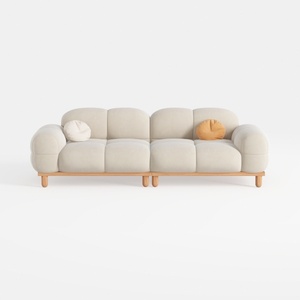

Minimalist Beige Fabric Solid Wood Sofa 3D Model

Minimalist Japandi Solid Wood Cane TV Stand Console 3D Model
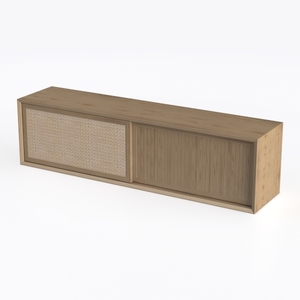
Minimalist Oak Rattan TV Cabinet 3D Model
Homestyler is your go-to online platform for effortless home design. Its user-friendly design tool and impressive 3D renderings help you visualize your ideas perfectly. With a wealth of design projects and insightful video tutorials, you’ll find inspiration and guidance to craft your dream space with ease!
Desain sekarang Gratis
































