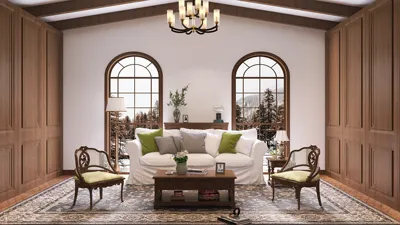


I once transformed an entire living room with a light gray shade without first checking it against the curtains — the outcome resembled a somber space until I added warmth through wood and brass accents. This experience highlighted the importance of performing quick color checks and visualizing changes prior to final decisions. Thoughtful selections of light gray are particularly beneficial in smaller areas since cool neutrals can create an illusion of space when paired appropriately, especially with tools like Homestyler for planning.
1. Cozy Warm Gray Combined with Wooden Accents
I frequently choose a warm-leaning light gray for clients who appreciate wood flooring and oak furniture — it feels inviting rather than chilly. The benefit lies in the immediate harmony it provides with natural materials. However, to avoid a muddy appearance, I incorporate crisp white trims and warm metallics such as aged brass.
save pin
2. Soft Gray as a Base for Bright Accents
Employing pale gray walls allows artworks, cushions, and rugs to become the focal point. Its forgiving nature makes vibrant accents stand out; just be cautious of undertones to ensure your chosen accent colors remain harmonious under various lighting conditions.
save pin
3. Chic Monochromatic Layers for a Textural Finish
Incorporating different shades of light gray — matte walls, slightly glossy trims, and textured rugs — adds depth without overwhelming color. I suggest testing samples on three walls since light changes throughout the day; for efficiently planning these adjustments, I sometimes utilize quick layout simulations with tools like Homestyler to visualize furniture arrangements and light flow. The result is a serene, magazine-worthy space, although it requires varied materials to prevent a flat look.
save pin
4. Two-Tone Walls to Create Defined Areas
Painting the lower third of a wall in a slightly darker gray effectively establishes a banquette or media zone without the need for physical dividers — ideal for open-concept living spaces. It's an economical choice that adds architectural appeal; however, the minor challenge lies in ensuring trims and switch plates match for a seamless finish.
save pin
5. Infusing Warmth Through Textiles and Lighting
Light gray can lean towards the cooler side, so I enhance the space with rugs, throws, and light fixtures featuring warmer tones. Smart bulbs and layered lighting truly shine in this scenario; with the right choices, you can achieve a warm ambiance. For larger projects, I often explore AI-assisted tools like Homestyler to expedite concept iterations — a highly efficient method, though it still requires a human touch for adding character.
save pin
FAQ
Q: Is light gray a suitable color for small living rooms?
Absolutely. Light gray reflects light and can give a small area a more spacious feel, particularly when combined with reflective surfaces or light wood tones. To maintain a warm atmosphere, add cozy accents instead of cool tones.
Q: How can I determine the right undertone in a light gray?
Test large swatches on different walls and observe their appearance at various times of the day. Undertones (blue, green, beige) emerge differently under specific lighting — this simple test can help you avoid expensive repainting.
Q: What trim color complements light gray walls best?
Bright white trim typically creates a stunning contrast and sharp lines; off-white offers a softer look if a warmer palette suits your taste. Ensure consistent trim sheen for a polished result.
Q: Can light gray accommodate bold furniture pieces?
Definitely — light gray serves as a superb neutral backdrop for vibrant sofas or colorful artwork as it allows those elements to take center stage without clashing.
Q: Are there lighting recommendations for areas with light gray walls?
Implement layered lighting, including ambient, task, and accent options. Select warm bulbs (2700K–3000K) to prevent a cold atmosphere and install dimmers to adjust the mood throughout the day.
Q: Will light gray easily show dirt and marks?
It varies based on the finish; eggshell or satin paints conceal scuffs more effectively than flat finishes, and washable options simplify upkeep. Lighter grays may highlight imperfections, so consider using more durable paints in frequently used areas.
Q: Is it advisable to use light gray in a space with limited natural light?
Yes, choose a warmer light gray with beige or warm undertones to avoid a dull appearance. Enhance the ambiance with layered lighting and mirrors to maximize the light available.
Q: Where can I obtain expert color advice?
Reputable paint manufacturers provide color resources; for instance, Benjamin Moore offers comprehensive swatch information and details on undertones (visit their color resources at https://www.benjaminmoore.com). Their guidance is invaluable for refining your options before you start sampling.
save pin
Homestyler is an outstanding online home design platform that empowers you to create stunning spaces effortlessly. With its user-friendly design tool, impressive 3D rendering, diverse design projects, and helpful video tutorials, you can turn your home design dreams into reality, no matter your skill level!
Projete agora para LIVRE
































