


I've created numerous living rooms where a singular design element dramatically transforms the entire ambiance of the area. Utilizing Lord Krishna wallpaper—showcasing scenes of the playful Makhan Chor, the serene flute player, or the cosmic Vishvarupa—can beautifully anchor a living room with elegance, color, and rhythm. The essential factor is to combine these visuals with the right proportions, lighting, and acoustics, ensuring they enhance daily experiences without becoming overwhelming. Incorporating tools like Homestyler can assist in visualizing these arrangements effectively.
Effective design starts with quantifiable comfort. According to WELL v2 guidelines, achieving a balance in lighting and managing glare promotes both mental wellness and visual comfort; strategically placing an illuminated focal wall can help alleviate strain and distractions. Research by Steelcase reveals that environments that minimize cognitive load can lead to increased feelings of productivity and satisfaction. When Krishna’s imagery is harmonized with appropriate luminance, color temperature, and sound absorption, the living room evolves into a space that is both reflective and soothing.
Understanding color psychology is crucial. An overview by Verywell Mind links blues with tranquility, greens with renewal, and golds with warmth—using these colors in Krishna-themed designs and complementary finishes can craft the desired emotional ambiance. If the wallpaper highlights peacock blues, consider using warm-white lighting around 2700–3000K to ensure the color remains soft instead of stark. Additionally, I'll refer to IES lighting standards to maintain the average luminosity in living rooms between 100–300 lux for overall tasks, layering accent lights on the feature wall to create depth while minimizing glare.
Selecting the Appropriate Krishna Imagery
Choose a narrative that harmonizes with your family’s lifestyle. A depiction of flute-playing Krishna conveys tranquility and musicality—perfect for evening gatherings. Conversely, scenes featuring Makhan Chor add a playful vitality that’s ideal for family-oriented spaces. For a modern aesthetic, minimalist line-art representations of Krishna can work wonderfully, offering a sense of reverence without overwhelming visual elements. My goal is to create images that clearly differentiate the figure from the background, allowing the eyes to focus on Krishna, while secondary details such as lotuses and peacocks lead the viewer's gaze smoothly around the design.
Measurement and Visual Composition
Take careful measurements of the wall and sightlines from seating. A large mural is best suited for uninterrupted walls measuring 9–14 feet; ensure key facial features and the flute are placed within the central 60% of the wall's width to prevent distortion from angles. Allow for ample negative space around the imagery—maintaining at least 8–12 inches from the edges—helps avoid visual congestion and frames the artwork beautifully. For ceilings under 8 feet, opt for vertical designs that guide the eye upward; in more spacious rooms, a panoramic mural of Vrindavan can extend the perceived horizon and provide balance.
Lighting, Color Temperature, and Glare Mitigation
Implement a layered lighting approach: ambient ceiling or cove lights for consistency, wall wash lighting to accentuate textures, and a dimmable picture light if the wallpaper features metallic or silk elements. Aim for an intensity of 300–500 lux on the focal wall, using warm white light of 2700–3000K to uphold the devotional essence. Avoid direct reflections on shiny wallpaper by angling fixtures between 30–45 degrees, and prefer a soft matte finish. For art embellished with gold leaf or metallic inks, consider applying low-gloss protective coatings to diminish highlights. WELL v2 guidelines stress glare control, aligning perfectly with these lighting strategies, while IES standards advocate for balanced brightness throughout the space.
Material Choices and Eco-Friendliness
Opt for VOC-free inks and low-emission materials to ensure better indoor air quality. Fabric-backed vinyl offers resilience and subtle texture; non-woven wallpapers utilizing eco-friendly glues facilitate future updates. When designs include deep blues and greens, matte finishes help maintain color integrity in warmer lighting. For homes with high foot traffic, choose washable wallpapers that resist stains. Additionally, in humid climates, slight breathability in the material can aid in managing wall moisture.
Arrangement and Placement Tactics
Placement should acknowledge circulation paths and activities. The focal wall ideally sits opposite the primary seating area or on the wall that faces entry points. In slimmer living rooms, positioning Krishna on the short end wall can create an illusion of spaciousness. If adjustments are necessary, employing a room design tool like Homestyler can help visualize sightlines, furniture arrangements, and focal points prior to the installation.
Selection of Furniture and Spatial Harmony
Create a balance between the focal wall and minimalist furniture styles. Low-profile sofas maintain an open sightline, while a slim console or bench beneath the mural provides grounding without visual distraction. Subtly echo the linear motif of the flute in a spindle-back chair or the curves of a peacock feather in a rug design. It's also essential to keep the coffee table’s finish understated (think matte wood or honed stone) to reduce glare reflecting back onto the wallpaper.
Creating Acoustic Comfort for a Devotional Atmosphere
Sound significantly influences reverence, akin to light. If the living room serves as a space for bhajans or gentle music, incorporating soft textiles is essential. Introducing an area rug, upholstered furnishings, and fabric panels on the wall opposite the focal point can help absorb mid-to-high frequencies. Bookshelves flanking the mural can add acoustic diffusion without cluttering the visual space. This careful consideration of acoustics prevents echoes, preserving the soothing effect of the imagery.
Exploring Color Psychology and Palette Coordination
Combine Krishna blues with soft creams, muted greens, or blush shades to maintain tranquility. Limit gold accents to small elements, such as lamp bases or a subtle framing line, ensuring they don’t compete for attention. If the mural features lotuses, opt for a desaturated pink in cushions while keeping colors muted. Insights from Verywell Mind on color emotions underscore the importance of moderation; a balance is crucial to avoid breaking the serene atmosphere.
Installation Techniques and Upkeep
Engage a skilled installer to ensure proper pattern alignment and handling of seams, particularly with metallic or textured inks. Prepare the wall through priming and, if necessary, skim-coating, and utilize a clear, low-VOC adhesive. Maintenance involves a soft dry cloth; for stains, a mild soap solution should suffice—avoid abrasive cleaning tools. If the mural is positioned where it might encounter direct sunlight, consider applying UV-filtering films on the windows to maintain color vibrancy.
Cultural Considerations and Daily Use
Maintain a respectful and uncluttered surroundings. Should you incorporate a small puja tray or incense burner, ensure it remains stable and won’t leave marks. Avoid placing the mural directly behind a television to prevent aesthetic competition; consider relocating the TV to a perpendicular wall to minimize its brightness during evenings.
Authoritative Sources
For further insights into visual environments impacting well-being and efficiency, delve into Steelcase research. For comprehensive advice on light quality and comfort, refer to WELL v2.
Quick Arrangement Suggestions
- For small living rooms: use a vertical flute-playing Krishna centered above a 60–72 inch sofa, complemented by two 3000K wall washers angled at 35 degrees.
- For medium spaces: install a panoramic Vrindavan mural across a 10–12 foot wall, with a matte finish, alongside a console at a height of 30 inches and a 9x12 rug to define seating.
- For larger areas: implement a layered mural featuring lotus motifs, illuminated by dimmable track lighting, and pair with two tall bookcases for added diffusion and balance.
Frequently Asked Questions
Q1: What is the ideal color temperature for Krishna wallpapers?
A1: Warm white lighting in the range of 2700–3000K enhances the soothing appearance of blues and golds, contributing to an intimate, devotional environment. Dimming capabilities can help refine settings for evening use.
Q2: How bright should lighting be on the focal wall?
A2: Target 300–500 lux for the accent wall, with ambient lighting maintained around 100–300 lux, adhering to best practices for balanced illumination aligned with IES recommendations.
Q3: Which finishes effectively reduce glare on metallic prints?
A3: Opt for matte or low-sheen finishes, angling fixtures between 30–45 degrees to minimize bright spots; steer clear of high-gloss varnishes in direct lighting paths.
Q4: What imagery works best in smaller living spaces?
A4: Vertical, simplified illustrations—such as line-art Krishna or singular figures with subtle lotus touches—preserve calmness and avert visual overcrowding.
Q5: How to harmonize furniture without overriding the mural?
A5: Choose understated furniture silhouettes, matte textures, and a refined color palette that echoes hues from the wallpaper without introducing a multitude of bold shades.
Q6: Are there healthier material options available?
A6: Select low-VOC inks, non-woven substrates, and clear, low-VOC adhesives. Ensuring proper ventilation during installation is essential, alongside incorporating rugs and upholstered furnishings for acoustic benefits.
Q7: Can I place a television on the same wall as the mural?
A7: It’s advisable to avoid this. The TV's brightness and movement may detract from the sacred imagery. Position it on an adjacent wall and adjust the screen's brightness at night to enhance the serene atmosphere.
Q8: What measures can I take to protect the mural from sunlight?
A8: Implement window treatments featuring UV-filter film and sheer curtains; select fade-resistant pigments while avoiding direct midday sunlight whenever feasible.
Q9: Which palettes complement peacock blue tones effectively?
A9: Soft creams, sage greens, and gentle blush shades work harmoniously with peacock blues; introduce gold sparingly via hardware or accents to maintain a balanced aesthetic.
Q10: How can I assess placement before making a final decision?
A10: Employ an interior design visualization tool like Homestyler to simulate sightlines, furniture layouts, and focal points before committing to installation.

Natural Live Edge Solid Walnut Coffee Table Top 3D Model

Modern Marble Top Solid Wood Console Table With Decorative Accents 3D Model
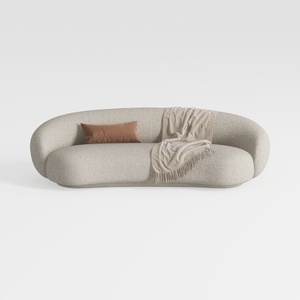

Minimalist Boucle Fabric Curved Sofa With Throw Pillow And Blanket 3D Model
Homestyler is your go-to online platform for transforming your home design dreams into reality. With its easy-to-use design tool, stunning 3D renderings, and a wealth of DIY video tutorials, you can effortlessly explore and create beautiful spaces—perfect for both beginners and seasoned designers!
Progetta ora GRATIS
































