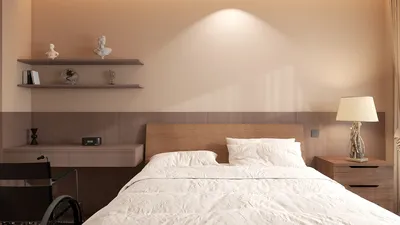


Living rooms play a crucial role in our homes; they serve as the central hub for social interactions, manage foot traffic effectively, and establish the overall aesthetic of the space. With Kajaria floor tiles, you can enjoy robust finishes, precise dimensions, and a wide range of design options that fit both minimalist and richly textured interiors. For many years, I've favored porcelain tiles in high-traffic areas due to their low porosity, impressive resistance to wear, and consistent color—a triad of characteristics that ensures your living room maintains its elegance despite daily use. The right choice of tile can enhance perceived spaciousness and improve acoustic quality when paired thoughtfully with rugs. Studies from Steelcase highlight the significance of material selection in influencing occupant comfort; the same principle applies at home, where stable surfaces minimize visual distractions and foster a serene atmosphere. As outlined in WELL v2, selecting appropriate finishes and low-emission materials contributes to healthier living environments by reducing VOC exposure, especially when considering adhesive and grout choices for tile installations.
When selecting tiles, durability and ease of maintenance are paramount. Porcelain tiles usually exhibit a water absorption rate of less than 0.5%, making them ideal for living areas likely to encounter spills. The Illuminating Engineering Society (IES) suggests aiming for living spaces illuminated with about 100–300 lux from diverse sources; lighter, matte tiles with a Light Reflectance Value (LRV) exceeding around 60 can help disperse ambient light effectively without causing glare. Additionally, consider that hard surfaces can reflect sound; utilizing large-format tiles alongside rugs and upholstered furniture can mitigate reverberation and enhance conversation clarity. Color psychology informs us that warm neutrals promote relaxation, while cooler shades emphasize cleanliness and openness—effects that can be expertly adjusted through the choice of tile color and pattern.
Design Strategy: Scale, Rhythm, and Visual Balance
I begin by assessing the traffic flow in the living room—entry points, seating arrangements, and the sight lines to windows or feature walls. Opting for large-format tiles (600×600 mm, 800×800 mm, 600×1200 mm) minimizes grout lines, creating a more fluid visual experience that can make smaller rooms appear larger. In open-concept homes, a cohesive tile layout can effectively tie different areas together, while area rugs can delineate spaces meant for conversation or entertainment. To avoid visual strain, establish a rhythm with balanced grout lines, aligned thresholds, and clear orientation in relation to natural light sources. If you're considering different layout styles—such as grid, running bond, or herringbone—try out a room layout tool from Homestyler, which can help you visualize how tiles will fit into your space and enhance furniture arrangement.
Selection Criteria: Finish, Color, and Performance
The finish of your tiles significantly influences both the visual appeal and safety of your living room. Matte and honed finishes can soften light from diffused daylight or mixed artificial lighting, while polished tiles can enhance brightness but come with risks of glare and visible marks. In living spaces with ample south or west exposure, I typically favor low-sheen finishes to maintain balanced lighting. For color, make sure to coordinate tile choices with existing or anticipated textiles. Warmer greys and taupes create stunning contrasts with oak or walnut furnishings, while cooler light grays work beautifully with blackened steel designs. The intensity of patterns should be proportionate to room dimensions—bold veining or terrazzo details require sufficient space to appear intentional, not chaotic.
Technical Considerations: Slip, Wear, and Substrate
It's essential to evaluate slip resistance, particularly in living areas that connect to outdoor spaces or entry points. Textured or micro-structured finishes offer enhanced grip under wet conditions. For durability, assess both surface hardness and stain resistance; porcelain is highly effective in these areas. Preparing the substrate is critical: ensure it's level within 3 mm over 2 m for large-format tiles to prevent lippage. Utilize high-quality polymer-modified thinset and back-butter larger tiles to guarantee complete coverage. Finally, installing expansion joints at edges and thresholds can manage movement and deter cracking.
Layout Patterns: Enhancing Spatial Intent
Patterns can dramatically affect how we perceive space. A straight grid complements modern and minimalist aesthetics, reinforcing a sense of calm. Alternatively, a running bond offers a subtle energy perfect for transitional areas. Herringbone patterns inject vibrancy and can guide movement toward a focal point. In smaller rooms, orient rectangular tiles along the longest sightlines to enhance the sense of spaciousness; conversely, a balanced grid format maintains neutrality in squarer rooms. Before finalizing your choice, use an interior layout planner like Homestyler to test different patterns and grout colors, allowing you to predict how seams and edges will interact with your furnishings.
Lighting Integration: Color Temperature and Glare Control
The interplay between tiles and lighting quality is direct and significant. Aim for a layered lighting plan—ambient at approximately 150–300 lux, task lighting reaching 300–500 lux, and accent lighting for art or decor. Warm-white LEDs (2700–3000 K) complement warm-toned tiles, crafting a welcoming evening atmosphere; neutral-white (3500–4000 K) suits cooler gray palettes. Manage reflective highlights by avoiding intensive downlights directly over glossy tiles; consider using diffusers and wider beam angles. The WELL Building Standard (WELL v2) emphasizes glare management and circadian-friendly lighting practices, directly impacting the comfort of residential living areas.
Ergonomics and Human Factors: Comfort Underfoot
While hard flooring provides stability, it's important to address sound and thermal comfort. Pair tiles with dense rug pads beneath seating areas to soften footsteps and minimize noise. In colder climates, consider radiant floor heating under your porcelain tiles; porcelain’s thermal properties work effectively with hydronic systems to deliver even warmth. Ensure thresholds are flush to reduce tripping hazards and maintain accessibility for all visitors.
Sustainability and Material Health
Consider the environmental impact of your materials by opting for manufacturers that emphasize transparency and use low-emission installation products. Choose low-VOC adhesives and grouts that adhere to WELL v2 standards. Pairing tile selections with FSC-certified wood furnishings and textiles made from recycled materials will enhance the sustainability of your overall design. Additionally, selecting durable, low-maintenance products reduces the frequency of replacements—an important factor for sustainable residential flooring.
Grout Strategy: Color, Joint Size, and Maintenance
Selecting the right grout is crucial for achieving the desired aesthetic. Narrow joints (2–3 mm) are fitting for rectified tiles, creating a sleek look; wider joints can provide rustic charm but are more challenging to maintain. Matching the grout color to the tile can create a seamless appearance, or choose a slightly darker shade to define the tile geometric layout. Always seal cementitious grout to minimize staining, or consider high-performance, stain-resistant grouts for easier upkeep. To maintain sharp transitions to other flooring, employ color-coordinated profiles.
Care and Maintenance: Daily to Annual
Porcelain tiles are generally low-maintenance and respond well to regular care. It’s advisable to sweep or vacuum daily to banish grit that could cause micro-abrasion. Damp mopping weekly with a pH-neutral cleaner is effective; avoid using oil-based products that leave residues. Tackle spills immediately, particularly in high-risk areas like near textiles. For thorough cleaning, employ a non-abrasive pad and follow the recommendations provided by the manufacturer. Regularly inspect grout joints and reseal as necessary. To avoid moisture buildup, position felt pads under furniture and utilize breathable rug pads. For polished surfaces, utilize microfiber cloths to reduce streaks.
Coordinating Furniture and Rugs
Find harmony between your tile's undertone and your furniture finishes. Warm stones and beige tones work beautifully with brushed brass and walnut, while cool gray shades complement satin chrome and ash wood. Choose rugs that fit seating areas well—keeping the front legs of furniture on the rug can stabilize arrangements and absorb sound, enhancing the overall ambiance. Ensure that pathways remain clear, employing the tile's arrangement to suggest natural movement.
To ensure a comfortable living environment, embrace the lighting and glare control recommendations from the Illuminating Engineering Society. Prioritize health-conscious material selections that align with WELL v2’s recommendations for low-emission products and balanced lighting. Utilize color psychology insights from Verywell Mind to fine-tune the emotional ambiance through your tile selection and design palette. For additional information, be sure to explore further studies about WELL v2’s recommendations on lighting and materials at wellcertified.com, and for lighting best practices, visit ies.org/standards.
FAQ
Q1: Are large-format Kajaria tiles suitable for small living rooms?
A1: Absolutely, large-format tiles can minimize grout lines and visual disruptions, helping smaller areas feel more expansive. Ensure the joints are tight (around 2–3 mm) and select a light, low-sheen finish to enhance ambient light without causing glare.
Q2: What tile finish is best under strong daylight?
A2: Matte or honed finishes are optimal under direct sunlight as they reduce specular reflections, helping maintain a balanced luminance throughout the space, especially when IES recommends around 100–300 lux for living areas.
Q3: How do I control acoustics with hard tile flooring?
A3: Introduce sound-absorbing components such as dense rug pads, upholstered seats, and window treatments, while also avoiding expansive bare hard surfaces. This combination helps to minimize reverberation and enhances clarity of conversation in your living room.
Q4: Which grout color works best with veined or patterned tiles?
A4: Grouting to closely match the base color of the tile creates a cohesive look and allows veining to appear more naturally. For a distinct geometric feature, consider choosing a slightly darker grout to outline the joints without an overpowering contrast.
Q5: Are polished tiles too slippery for living rooms?
A5: Polished tiles can indeed be slippery, particularly in moisture-prone areas. Opt for lower-sheen or micro-textured finishes in these zones or complement polished tiles with rugs to minimize slip hazards.
Q6: How often should grout be resealed?
A6: A yearly inspection is advisable; reseal cementitious grout every one to two years, depending on traffic levels and cleaning routines. High-performance, stain-resistant grouts may require less frequent maintenance.
Q7: What lighting setup complements cool gray tiles?
A7: Neutral-white LED lights (3500–4000 K) will enhance gray tones by avoiding a yellowish tint. Use a combination of ambient and accent lighting while steering clear of focused downlights directly above glossy tiles to minimize potential glare.
Q8: Can radiant floor heating be installed under porcelain tiles?
A8: Of course! Porcelain is excellent for use with hydronic or electric radiant floor heating systems. Just ensure that the substrate is prepared correctly, movement joints are in place, and that approved adhesives are used.
Q9: How do I choose tile color to match wood furniture?
A9: Pay close attention to undertones: warm woods like walnut pair exceptionally well with warm neutrals (like beige or greige), while cooler wood options such as ash or oak complement light grays. It’s prudent to test samples in your room’s lighting before making a decision.
Q10: What’s the best way to plan tile layout around furniture?
A10: Start by mapping out seating arrangements, walking paths, and thresholds. Align tile joints to the main axes in your living space and use a layout simulation tool, such as Homestyler, to experiment with grid versus herringbone patterns, ensuring they complement your furniture placements.
Q11: Do light-colored tiles show dirt more easily?
A11: They can indeed highlight surface dust; however, their higher LRV contributes to brightness, reducing reliance on heavy artificial lighting. Weekly damp mopping with a pH-neutral cleaner will keep them looking clean and fresh.
Q12: What maintenance mistakes should I avoid?
A12: Refrain from using oil-based soaps and abrasive cleaning pads, as these may leave residue or scratches on the surface. Utilize felt pads under furniture, reseal grout regularly, and ensure you vacuum or sweep up grit to prevent abrasive damage.

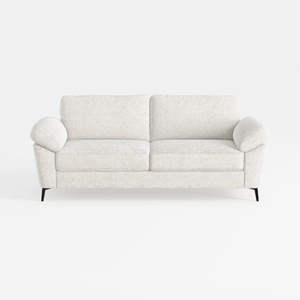
Minimalist Fabric Loveseat Sofa with Black Metal Legs 3D Model
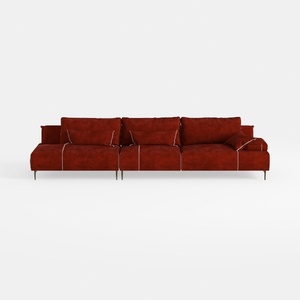
Alexent Oversized Fluffy Sofa Chaise Set 2 Pieces
If you're searching for a user-friendly home design tool, look no further than Homestyler! This platform offers an intuitive online design tool, stunning 3D renderings, a wealth of design projects, and helpful video tutorials, making it easy to turn your interior design dreams into reality.
Design Now for FREE
































