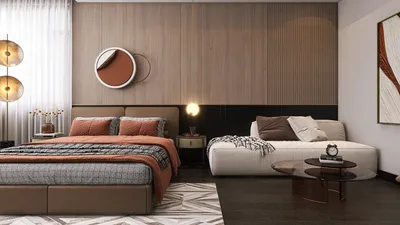


Indoor pergolas can effectively address various challenges in living rooms, from awkward circulation patterns to managing light glare, while simultaneously introducing a striking architectural element. When utilized properly, a pergola can delineate different areas, regulate light, and create a framework for greenery or ambient illumination. This method offers a quick and reversible way to transform a space's atmosphere and functionality—with the added advantage of tools like Homestyler for seamless design planning.
One of the standout features of pergolas is their ability to manage light effectively. The IES recommends that living areas maintain a layered illumination level between 100 to 300 lux for casual activities, while also minimizing glare through strategic shielding and diffusion. In open-plan layouts, pergola lattices serve to obstruct direct lines of sight to bright windows, enhancing visual comfort. Additionally, the WELL v2 standard emphasizes the importance of balanced daylight and controllable shading to minimize circadian disruption. A nicely designed pergola with a slatted canopy can integrate dimmable linear LEDs and soft uplighting, granting you precise control over lighting throughout the day and night.
Pergolas function as anchors for activity zones. Research by Gensler reveals that defined spatial cues and boundaries can lessen cognitive load in multifunctional areas, leading to improved focus and relaxation in shared environments. I regularly employ a pergola framework to mark out spaces like a reading nook or conversational area in an expansive living room. For those exploring furniture arrangements, utilizing an interior layout planner can simulate effective pathways and seating distances before finalizing the design—an ideal application for tools such as Homestyler.
Design Intent: Transforming Architectural Elements into Everyday Comfort
A well-constructed pergola creates a sense of rhythm overhead. The spacing of slats influences the interplay of light and shadows; deeper structural elements generate a stronger visual hierarchy while also enhancing acoustic diffusion. When combined with warm finishes, the canopy can mitigate the cavernous feel in rooms with high ceilings and introduce a more human scale. I favor designs that connect to existing beams or columns, ensuring the addition appears integral rather than an afterthought.
Understanding the Structural Basics and Proportions
Inside your space, the focus shifts from weatherproofing to balancing mass and transparency. Most living rooms benefit from member depths ranging from 1.5 to 4 inches, with slat spacing of 3 to 6 inches, depending on your desired light filtration. It's important to maintain comfortable clear heights—generally between 7'6" and 8'6" under the pergola—to create an inviting atmosphere while still fostering intimacy. For ceilings that rise to 10 to 12 feet, consider suspending the pergola at about 8'6" to maximize comfort and conceal lighting above the slats.
The Importance of Layered Light Environments
Light temperature is a crucial element. For relaxing evenings, opt for LEDs in the 2700–3000K range to minimize stimulation; during the day, a temperature of 3000–3500K keeps whites vibrant without a cold feel. Employ indirect uplighting situated above the slats for an ambient glow, complemented by shielded downlights for task-oriented lighting. Ensure that lighting controls are conveniently placed near seating areas to maintain visual consistency without unnecessary adjustments. Adjust luminance ratios thoughtfully—avoid overly bright sources within direct sight; the pergola's slats effectively serve as baffles to diffuse light.
Exploring Color Psychology and Material Choices
Colors influence mood significantly. According to insights from Verywell Mind, warm neutrals tend to enhance comfort, while cooler tones instill calmness. In my designs, I utilize mid-tone woods such as white oak, walnut, or ash with matte finishes to reduce glare. Painted finishes in soft off-whites or muted greens are effective in areas with abundant natural light. Sustainability-conscious choices would include FSC-certified timber or aluminum with a high recycled content; opting for a powder-coat finish in low gloss will keep reflections at bay.
Enhancing Acoustic Comfort in Open Spaces
Living rooms that are open and airy can often feel bright and echoey. Integrating pergola members introduces diffusion to the acoustic environment, mitigating flutter echoes between parallel surfaces. Adding acoustic felt insets or fabric-wrapped panels atop the canopy can further assist, especially in homes with hard flooring. Complete your sound absorption strategy with rugs, upholstered seating, and wall art. I aim for a balanced RT60 of around 0.4 to 0.6 seconds in typical residential lounges, providing comfort and clarity for conversations.
Valuing Human Factors: Circulation and Sightlines
Design circulation routes to be at least 36 inches wide around and through the pergola. Keep essential sightlines—like those to the fireplace, TV, or garden—clear of vertical posts. If a post is necessary, position it to align with existing architectural edges (like cabinet ends or column lines) to maintain an intentional look. Employ the pergola as a functional cue: thicker beams over seating areas and thinner sections where people will pass.
Tailored Layout Strategies for Various Room Types
• For smaller living rooms: Select a light, wall-mounted frame without floor supports and run slats parallel to windows to minimize glare while maximizing openness.
• For long and narrow rooms: Position the pergola perpendicular to the length to visually shorten the space and create a defined space for conversation.
• In double-height spaces: Lower the pergola to create a human-scale canopy, and incorporate uplighting for a floating appearance.
• For open-plan living and dining areas: Utilize two coordinated pergolas—one more compact over the seating area and a more open one above the dining table—to designate distinct zones while maintaining a sense of continuity. Experiment with flows through an interior layout planner like Homestyler to visualize before committing: room design tool.
Integrating Greenery and Biophilic Elements
Incorporating trailing plants on select slats—like pothos or philodendron—near windows fosters healthy growth. Ensure irrigation is kept off the pergola; utilize ceiling-mounted anchors with removable trays to simplify maintenance. A couple of planters can suffice; over-greening might obstruct light and collect dust. Combining lush foliage with varied textures (like linen or wool) enhances tactile richness.
Electrical and Integration Details for Your Pergola
Conceal low-voltage wiring within the beams of the pergola for discreet LEDs or small pendant lights. Include junction points for future adaptability and dimmable drivers positioned accessibly. Hide any visible cables using shadow gaps. Should you opt for a wall-mounted frame, distribute fasteners across studs and employ structural brackets rated for the combined weight of the pergola and its accessories.
Prioritizing Safety, Maintenance, and Longevity
Utilize finishes with low VOC levels; regularly wipe down slats to minimize dust accumulation on lighting fixtures. In sunny climates, consider UV-resistant finishes to prevent color fading. For family environments, soften edges to include slight radii and ensure pendant heights exceed 6'6" above major circulation pathways.
Cost-Effectiveness and Installation Speed
In comparison to complete custom millwork or ceiling renovations, installing a pergola is a rapid process. Prefabricated frames can be set up in just one to two days, with lighting installation following directly. Custom designs take a bit longer but still avoid extensive demolition. Focus on investing in durable materials and dimmable lighting—you'll notice the improvement right away.
Styling Your Space: Personalizing with Intent
Layer textiles and artwork to harmonize with the lines of your pergola. Maintain consistent slat spacing and clean finishes in modern environments. In more eclectic settings, mixing various wood tones and adding a slender picture ledge on a pergola beam for displaying curated objects can add interest. If showcasing plants, aim for balanced asymmetry: cluster one group near a corner with another pendant over the coffee table.
The Installation Journey: From Design to Completion
• Start by measuring ceiling heights and designating clear pathways.
• Utilize an interior layout planner to digitally prototype arrangements for seating and lighting positions before installation: layout planner.
• Choose a material palette and specify color temperatures (between 2700 to 3500K).
• Coordinate electrical setups and dimming solutions before assembly.
• Assemble prefabricated components and tune lighting scenes accordingly.
FAQ Section
Q1: Could a pergola make my living room feel cramped?
A1: If you maintain clear height at around 7'6" to 8'6" while using slimmer members, it shouldn't feel cramped. The pergola's canopy contributes a sense of order and human scale, often rendering larger areas more inviting.
Q2: What type of lighting works best with an indoor pergola?
A2: A combination of 2700–3000K ambient uplighting together with shielded task lighting strikes an ideal balance. Aim for approximately 100–300 lux in seating areas for casual tasks, following IES recommendations.
Q3: How can I manage light glare from sizable windows?
A3: Position slats strategically to disrupt direct sightlines of bright windows and incorporate dimmable lighting layers. Consider soft sheer window treatments alongside the pergola for gentler daylight.
Q4: Is it feasible to install plants on the pergola?
A4: Absolutely, just ensure the weight remains manageable and avoid any irrigation running on the frame. Employ lightweight planters along with ceiling anchors featuring removable trays for simple maintenance.
Q5: Does the structure genuinely enhance acoustics?
A5: Yes, the design introduces diffusion. Pair it with rugs and upholstered furniture to create a comfortable reverberation time of around 0.4 to 0.6 seconds in typical lounges.
Q6: Which materials offer the best indoor durability?
A6: Look for FSC-certified hardwoods with matte finishes or recycled aluminum with a powder-coat finish to avoid warping; aluminum is light and ideal for ceilings.
Q7: How should I arrange furniture around a pergola?
A7: Keep circulation routes of at least 36 inches and align seating beneath the canopy to reinforce the space's purpose. Use a room design visualization tool to test arrangements before finalizing.
Q8: Is it practical to implement a pergola in rental apartments?
A8: Definitely—you can select wall-mounted or freestanding frames that require minimal fasteners. Utilize plug-in low-voltage lights to eliminate the need for major electrical work.
Q9: What color should I opt for my pergola?
A9: Warm neutrals complement wooden flooring well, while desaturated greens or soft whites foster tranquility. Refer to color psychology when selecting hues that align with your desired ambiance.
Q10: How can I prevent dust from accumulating on the slats?
A10: Opt for matte finishes and slightly rounded edges, and establish a routine for monthly cleaning. Installing closed top panels over lighting zones can help mitigate dust as well.
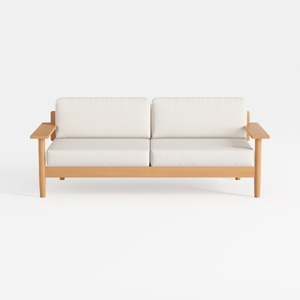

Minimalist Solid Oak Fabric Outdoor Loveseat Sofa 3D Model

Minimalist Solid Wood Linen Armchair with Throw Pillow 3D Model
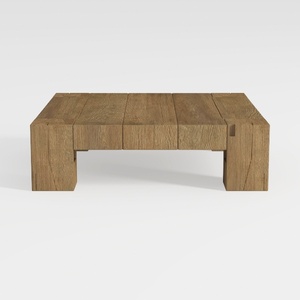
Rustic Solid Oak Wood Coffee Table Minimalist Living Room 3D Model
Homestyler is your go-to online home design platform! With its user-friendly design tool, stunning 3D renderings, and a vast array of DIY video tutorials, you'll effortlessly turn your vision into reality. Explore inspiring design projects and make your home a true reflection of your style.
지금 무료로 디자인하세요
































