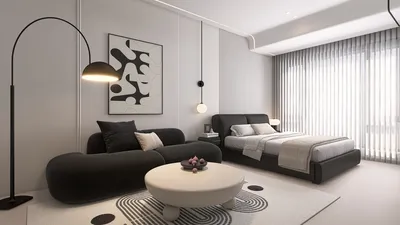


I once helped a client transform her tiny living room with a soothing dove grey paint—only to witness her in tears as it felt overly stark. We salvaged the situation by incorporating warm wood elements and layers of textiles; it was a valuable lesson: grey alone can be frigid, but when applied thoughtfully, it works wonders. To visualize the space before any paint is applied, utilizing tools like Homestyler to create mockups can save substantial second-guessing.
1. Combining Greys with Warm Wood
I frequently begin with a mid-grey wall that acts as a neutral backdrop while introducing oak or walnut furnishings to bring warmth to the ambiance. This approach lends a timeless quality, but careful selection of wood tones is crucial to avoid a muddled look. A budget-friendly tip: consider updating coffee tables and legs instead of complete furniture suites for a big impact.
save pin
2. Soft Grey as a Serene Canvas
I often prefer soft greys for compact living spaces due to their light-reflecting properties, avoiding the starkness that bright white can bring. They harmonize beautifully with mismatched furnishings and are easy to style alongside greenery. However, a little challenge arises as pale greys can sometimes feel chilly—incorporate cozy throws and warm metallics to ground the area.
save pin
3. Dramatic Charcoal Accent Wall
I once encouraged a couple to install a single charcoal wall behind their sofa, and their expressions brightened—the room instantly gained an intimate, cinematic feel. This option is ideal for those seeking a dramatic flair without enclosing the space; it pairs wonderfully with brass or leather but requires sufficient lighting to prevent a cave-like appearance. To assess how light interacts with the wall throughout the day, I often utilize Homestyler for rendering scenes to experiment with color combinations in various lighting.
save pin
4. Grey with Vibrant Color Accents
Grey serves as a superb neutral backdrop for vibrant hues—cobalt cushions, mustard throws, or a coral lamp can take center stage without overwhelming the decor. This approach is perfect for clients who desire personality without committing to a bold wall. An important note: the placement of accent colors holds more significance than the quantity; try featuring one striking piece instead of several.
save pin
5. Emphasizing Textures, Patterns, and Metallics
By layering greys in varied textures—like a bouclé sofa paired with silk cushions and matte ceramics—you add depth to the space. Incorporating metallic finishes such as aged brass or brushed nickel introduces warmth and a touch of elegance. For rapid, contemporary design mockups, I frequently create AI-driven moodboards using Homestyler, which accelerate decision-making. A practical tip: textured fabrics are excellent at hiding wear, making them ideal for family spaces, though they can sometimes be pricier.
save pin
Tips 1:
Choosing paint samples is essential—apply three 10x10 swatches and observe them in both morning and evening light. Maintain neutral upholstery if you enjoy the seasonal shift of accents; swap cushions and throws rather than repainting. Also, consider ceiling and trim colors: a slightly warmer white can prevent grey from feeling too stark.
save pin
FAQ
Q1: What grey tone is suitable for a north-facing living room?
A: Opt for warmer greys with beige or taupe undertones to counterbalance the cool natural light. These tones maintain a welcoming feel without straying into yellow territory.
Q2: Can grey make a small living room appear larger?
A: Definitely—soft greys reflect light and foster a sense of openness, but be sure to retain contrast with trims and furnishings to keep depth alive.
Q3: Should ceilings be painted grey as well?
A: I typically don’t paint ceilings full grey; a very light grey can contribute to coziness, but most clients prefer a warm white for a more spacious feel.
Q4: How should I select accent colors for a grey living room?
A: Begin with a single bold color and test it through textiles or artwork. Earthy tones such as terracotta or olive blend well with warm greys, while jewel tones complement cooler shades.
Q5: Is grey high maintenance for walls?
A: Mid-tones tend to hide marks better than pure whites, but textures or washable finishes are wise choices for busy households.
Q6: Which finishes work best alongside grey?
A: Warm woods, matte blacks, and aged brass make for versatile pairings. Mixing metals (with one as the main focus and another as an accent) adds interest while avoiding clutter.
Q7: Where can I find professional color studies?
A: Many paint brands like Sherwin-Williams offer color guides and palettes; their color resources can be found at https://www.sherwin-williams.com for in-depth undertone information.
Q8: Can I obtain design mockups before making a commitment?
A: Absolutely—3D renderings and moodboards allow you to preview various combinations and layout choices. If you’re testing ideas, renders can help avoid expensive missteps.
save pin
Homestyler is your go-to online home design platform! With its user-friendly design tool, stunning 3D renderings, and a wealth of inspiring projects and DIY video tutorials, you can effortlessly create and visualize your dream home—no experience needed!
Concevez maintenant gratuitement
































