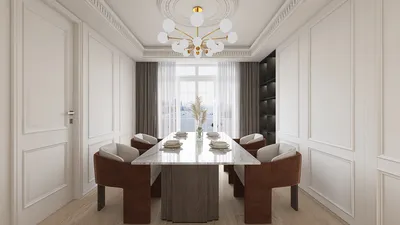


Transforming a living room requires a careful equilibrium of color psychology, lighting quality, comfort, and textures. Utilizing tools like Homestyler, one can access a wide range of color palettes from Asian Paints that can significantly influence mood and functionality. However, one must remember that the effectiveness of color is intrinsically linked to the lighting, arrangement, and acoustic elements present in the space.
When selecting colors, integrating behavioral insights is crucial. According to Verywell Mind’s insights on color psychology, shades like blue are known to evoke tranquility and stability, while greens can foster a sense of balance and renewal. This understanding is essential for creating living spaces that are conducive to relaxation and social interaction. Moreover, adhering to WELL v2 lighting standards can enhance the visual experience. To maintain accurate color appearances throughout different lighting conditions, it’s essential to combine richer hues with varied, low-glare lighting solutions.
Innovative Color Approaches with Asian Paints
I initiate the design process by outlining three directional color schemes and modifying the saturation based on the dimensions of the room and the amount of daylight it receives:
In smaller spaces, I recommend minimizing the contrast between walls and ceilings to create an illusion of a larger volume. Conversely, in spacious areas, introducing deliberate contrast, such as darker baseboards or color-blocked sections, can add depth and rhythm to the design.
Lighting: Unveiling Authentic Colors and Comfort
Colors are best perceived under the appropriate lighting conditions. For living rooms, a warm white light (2700–3000K) is ideal for the evening ambiance. A layered lighting strategy is necessary: an ambient ceiling light, task lights around 3000–3500K near seating areas, and accent lights for artwork or textured features. Following IES guidelines for glare mitigation, using shielding on ceiling lights and indirect sources will ensure a comfortable luminance ratio, allowing Asian Paints colors to shine across different times of the day.
Layout and Flow
Prior to any painting, I outline the pathways, focal points (like the TV or artwork), and areas for conversation. A balanced, symmetrical setup can offer tranquility, while a slight asymmetry introduces a relaxed feel. Tools like Homestyler are invaluable for visualizing furniture arrangements and ensuring that accent walls remain visible and unobstructed by tall furnishings or drapes.
Human Factors and Ergonomics
Ensuring comfort goes beyond just cushions. It's crucial to maintain 900–1000 mm of main circulation space, position coffee tables 450–600 mm from the sofa, and provide 250–300 mm of clearance around rugs. To prevent glare, position reading lamps at the side and slightly behind seating areas. For homes accommodating multiple generations, opting for rounded-edge tables and matte finishes can help avoid harsh reflections.
Sound Comfort with Color and Materials
Enhancing acoustic comfort can reduce the perceived brightness of colors in a room. I recommend using a variety of textiles, such as area rugs, upholstered chairs, and lined curtains, to minimize sound reverberation. Walls painted in a matte or eggshell finish create a visually subdued environment. If using bright, vivid colors, soften the atmosphere with luxurious textiles like velvet throws can create a calming space.
Selecting Sustainable Materials
Opt for low-VOC paints where feasible, choose FSC-certified wood, and prioritize natural fibers (like cotton, wool, or linen) in areas of close contact with skin. Warm metallic finishes (such as brass or bronze) resonate well with earthy tones like terracotta, while cooler metals (nickel or stainless) complement palettes of blues and greys. Incorporating textures—such as a subtle sand finish—adds depth without overwhelming patterns.
Effective Feature Wall Strategies
Feature walls should ideally serve as anchor points, positioned behind significant elements like sofas or TVs while keeping adjacent walls lighter. I advocate for a mid-value hue that is slightly darker than surrounding walls, and advise caution against placing feature colors directly opposite large windows unless light control is ensured; high contrast can lead to glare and washed-out colors.
Trends for 2024–2025
A noticeable trend I’ve observed is the movement towards desaturated botanical hues, smoky blues, and earthy clay tones, paired with tactile plaster finishes. Utilizing mixed-scale patterns—like subtle weaves on cushions and bold geometric designs on rugs—can establish hierarchy and prevent visual chaos. Wide planks and curved forms create an inviting atmosphere in any room.
Strategies for Small Living Rooms
Employ light-value walls and incorporate a slightly deeper niche or shelving for visual interest. Arranging furniture on a collective rug can unify the space, while keeping drapery closely aligned with wall colors can help expand the visual envelope. Mirrors are best used to reflect daylight or serene feature walls, avoiding busy shelving backgrounds.
Strategies for Large Living Rooms
Define separate zones by varying color temperatures (warmer lighting for seating areas and neutral for workspaces) and implementing subtle color-blocking techniques. Limit the use of accent colors to avoid a disjointed appearance. To visually pull down the ceiling height in large rooms, consider using substantial pendant lights or tall floor lamps.
Pairing Colors with Mood
Practical Tips for Painting
Test at least three color swatches in full sunlight and artificial light during different times of the day on the actual walls. It is recommended to apply two coats for a true representation of the color. In spaces with mixed lighting, choose the shade that maintains integrity after dark—considering that most living rooms will be used in the evening hours.
Frequently Asked Questions (FAQ)
Evaluate neutral or desaturated hues under both 2700–3000K lighting and daylight. Shades that hold their color accuracy under warm lighting sources are the most reliable for everyday environments.
Soft tones of green and blue encourage a peaceful atmosphere, supported by the principles of color psychology. These should be combined with matte finishes and controlled lighting layers.
Aim to establish a blend of ambient, task, and accent lighting, using warm whites (2700–3000K) for general illumination. Shielded fixtures and indirect lighting can significantly reduce glare while maintaining color accuracy.
Feature walls should be strategically placed behind main seating or TV areas, acting as focal points. Surrounding walls ought to be lighter to maintain balance, and the feature wall should be bathed in gentle, indirect light.
In compact spaces, utilize light-value walls, a singular cohesive rug, and only one accent color in small doses. Limiting harsh contrasts along the ceiling line can visually enhance the height of the room.
Warm, vivid colors can create an illusion of proximity. Use these colors sparingly for accents or a single wall while balancing with lighter surrounding surfaces and soft textures to avoid visual crowding.
Integrate textiles, such as rugs and upholstered items, to aid in sound absorption. Painting with a matte or eggshell finish minimizes glare and pairs well with sound-absorbing treatments.
Warm metals like brass and bronze complement warm color schemes, while cool tones such as nickel or stainless work well with cooler palettes. Pair lighter woods like oak or ash with soft blues, and deeper woods like walnut with bold, intimate colors.
Choosing matte or eggshell finishes effectively reduces glare and conceals wall imperfections, while a semi-gloss can be reserved for trim areas if subtle contrast is desired.
Yes, it's possible to mix colors as long as there’s a dominant hue and the secondary color acts as a supporting shade. Keeping the entire palette to a maximum of 3–4 colors ensures cohesion throughout the space.

Fluted 9 Drawers Dresser, 59.1" Wide Modern Chest
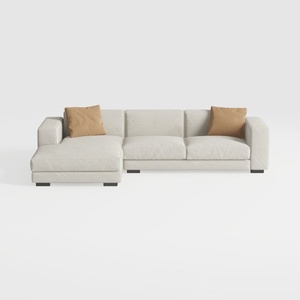
Minimalist Fabric L Shape Sectional Sofa with Throw Pillows 3D Model
Discover the magic of home design with Homestyler! This user-friendly platform offers an innovative online design tool, stunning 3D renderings, and an extensive range of design projects. Plus, you can refine your skills with DIY video tutorials. Transform your vision into reality effortlessly!
Design Now for FREE
































