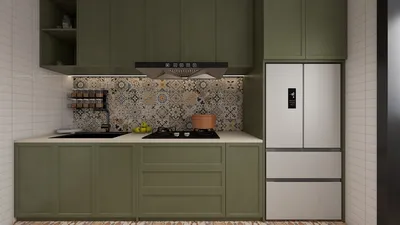


Transforming a living room with brick wallpaper can be accomplished in just one afternoon, infusing the space with texture, depth, and a modern flair, all without the expensive and permanent nature of traditional masonry. Brick wallpaper serves as an anchor for focal walls, helps adjust proportions, and introduces a warm, neutral palette that complements various materials beautifully. When selected with care and illuminated properly, brick wallpaper can elevate plain rooms into inviting and visually intriguing areas.
Research indicates that textured focal surfaces significantly influence our perception and comfort levels. According to Gensler’s Workplace Survey, environments with clear visual cues and defined focal areas enhance satisfaction and overall performance. This concept also applies to home settings where a focal wall helps establish a room’s structure. The WELL v2 standard highlights the importance of controlling glare, balancing luminance, and maintaining visual interest as essential factors for comfort. Combining the micro-texture of brick wallpaper with properly managed lighting can diminish flatness and enhance visual ergonomics. For living areas, aiming for ambient light levels between 150 and 300 lux is advised, while keeping luminance ratios around 1:3 to minimize eye strain.
The psychology of color plays a vital role in the appeal of brick wallpaper: neutral and warm shades foster a sense of calm and encourage social interactions, while cooler grays contribute to an air of sophistication and minimalism. Insights from Verywell Mind’s color psychology research affirm that warm tones tend to exude welcome and energy, which is why softer hues such as off-white, taupe, and gentle terracotta often evoke a modern yet cozy feel.
Selecting the Ideal Brick Wallpaper
Begin with scale considerations. Large brick patterns evoke a contemporary, graphic style, whereas smaller prints suggest a more classic, heritage feel. I typically look for brick heights around 2.5 to 3 inches for a subtle, modern appearance, or 3.5 to 4 inches for a more striking loft-inspired look. Seek designs featuring varied mortar shades and soft shadowing to avoid monotonous visuals. Choose matte finishes over glossy ones in living spaces, as they are less reflective and appear more realistic under both natural and artificial lighting.
Light Matters: Optimize Texture
The way texture interacts with light is essential. Employ grazing light using adjustable wall washers or floor lamps to highlight the micro-shadows of the brick without overexposure. I adhere to IES guidelines by layering ambient and accent lighting: aim for ambient lighting around 150 to 300 lux, while accent lighting should be 2 to 3 times the ambient on the focal wall to define it without causing glare. Maintain a correlated color temperature (CCT) between 2700 and 3000K in living rooms for warmth; utilizing CRI 90+ LEDs will ensure that the reds and browns in the brick appear true to life. When seating is oriented towards the brick wall, it's important to manage luminance contrast to prevent visual fatigue, following WELL v2 regulations regarding glare and contrast.
Seamless Room Balance: Layout and Proportions
Treat the brick wall as a foundational element in the room. Position the sofa 8 to 12 inches away from the wall to maximize visual impact and improve airflow and cable management. If the wall supports the television, ensure it is mounted at eye level (approximately 42 to 48 inches from the floor based on seating height), and select slim, dark frames that blend seamlessly with gray or deep-toned brick. For complex room layouts, consider simulating furniture placement using Homestyler or another room design tool to assess viewing angles, window glare, and traffic flow before making any permanent decisions.
Color Schemes to Enhance Brick
Modern brick wallpaper options are available in subdued reds, earthy clays, buff shades, or cool grays. Combine warm tones with charcoal, moss green, and oat hues to create a sophisticated, grounded palette. Cool gray brick works beautifully alongside ink blue, blackened bronze, and bone white. To avoid a heavy atmosphere, maintain lighter ceilings using matte off-white and incorporate soft textures—such as bouclé, linen, or chenille—to offset the firmer texture of the brick.
Material Considerations: Achieving Authenticity
Look for non-repetitive patterns across long rolls and subtle variations like chipped edges and different mortar textures. Vinyl-coated wallpapers are ideal for easy cleaning, while nonwoven options are easier to install and less prone to shrinkage. For the environmentally conscious, prioritize low-VOC inks and FSC-certified materials; these choices support better air quality indoors and align with WELL v2’s guidelines on materials and air quality.
Acoustic Comfort with Brick Wallpaper
While real brick tends to reflect sound, wallpaper affixed to drywall offers limited sound absorption. To enhance conversational clarity, incorporate soft acoustic elements such as dense-pile area rugs, lined curtains, upholstered furniture, and fabric-backed wall art. Strategically placing rugs can help mitigate flutter echoes created by parallel surfaces and avoid leaving floors bare opposite the brick feature wall.
Installation Insights for a Flawless Finish
Preparation is crucial for successful installation. Patch and sand any wall imperfections to prevent shadows from accentuating flaws. Use a wallpaper-specific primer to secure seams, ensuring they remain intact. Align the wallpaper strips with a laser level to maintain consistent horizontal lines; even slight misalignments can become distracting across a large wall. For corners, wrap the paper around an inch to ensure visual continuity, and take care to cut around outlets for clean detailing.
Styling Your Brick Feature Wall
Keep decor in the area immediately near the wall simple and minimal. Opt for narrow shelving or a low console to showcase sculptural pieces made of ceramic, smoked glass, and matte metal. Adding plants to the scene softens the angularity of the arrangement and introduces biophilic elements; upright varieties like ficus or olive trees enhance the vertical alignment. Artwork positioned with standoffs will cast subtle shadows, adding depth to the overall effect.
Maximizing Natural Light Exposure
Rooms with southern exposure might experience overexposed details; using sheer curtains can help diffuse the light. Conversely, north-facing light tends to dull color vibrancy; introducing warmer artificial lights can establish a pleasing balance. Arrange seating to minimize direct reflections from the wallpaper, and be sure to test the light at different times throughout the day to perfect lamp positioning.
Navigating Small Living Spaces Without Feeling Constrained
In smaller areas, opt for lighter brick shades and limit the feature to just one wall. Choose furniture with slimmer profiles and elevated legs to enhance the sense of space. A strategically placed mirror on a perpendicular wall can help create an illusion of width; however, avoid placing mirrors directly across from the brick to prevent a chaotic, repetitive pattern.
Caring for Your Brick Wallpaper
Regular maintenance is key for longevity. Gently dust the surface with a microfiber cloth and use a damp sponge for spot-cleaning; avoid harsh cleaners that might create a shiny, uneven surface. Direct sunlight can fade red tones; consider UV-filtering window films or high-quality sheer drapes to prolong color retention. If any seams begin to lift, secure them back with a small amount of clear wallpaper adhesive and smooth down.
Using Data for Comfort Assessment
Before finalizing your project, verify visual comfort through basic assessments: measure ambient light levels with a phone app to ensure they are between 150 and 300 lux in seating areas; accent lighting shouldn't create hotspots exceeding 1000 lux on glossy surfaces. Also, consult WELL v2 glare criteria to maintain optimal luminance levels. These minor adjustments can significantly impact how the brick wallpaper is perceived both day and night.
Frequently Asked Questions
Contemporary styles of brick wallpaper typically feature colors like desaturated red, clay, or cool gray. The gray tones can feel minimalistic, while clay shades offer warmth without rustic heaviness.
To highlight texture, employ soft grazing light with floor or wall washers. Set ambient levels around 150 to 300 lux and select 2700–3000K LED bulbs with CRI 90+ to ensure accurate color representation.
Yes, but if the color is excessively dark, it may overwhelm the room. Choose lighter brick options, limit the feature to a single wall, and select furniture that has an open and airy feel to maintain sightlines.
Absolutely. Center the television at 42 to 48 inches based on the height of the seating. Use matte finishes or control ambient lighting to minimize reflections.
Smaller brick designs are suitable for traditional or compact spaces, while larger bricks provide a modern look and are ideal for open layouts. Ensure the scale aligns with furniture size and viewing distances.
Optimal choices include nonwoven substrates using matte, low-sheen inks with varied mortar coloring. Avoid styles with repetitive patterns; search for randomness across the roll.
Enhance comfort by introducing rugs, lined curtains, upholstered items, and art with fabric backs. Disrupting parallel surfaces will help reduce echo disturbances.
Indeed, particularly peel-and-stick options. Proper wall preparation and avoidance of humid areas are crucial. Always test a small area to confirm clean removability.
Color combinations such as ink blue, charcoal, bronze accents, and bone white work well together. Mix in soft textiles to lift the palette and avoid a cold feeling.
Effective installation requires thorough priming, meticulous seam rolling, and laser level alignment. Wrap corners slightly for visual consistency and prevent stretching the wallpaper during application.
While fading can be an issue, using sheer drapes or UV-filtering films will help mitigate the problem. Opt for high-quality inks and substrates to thwart discoloration risks.
Digitally simulate furniture arrangements and sightlines with an interior design planner or room visualization tool like Homestyler to preview spatial relationships and glare conditions.


Boucle Fabric Solid Wood Base Modern Sofa 3D Model

Modern Minimalist Fabric U Shaped Sectional Sofa 3D Model
Homestyler is your go-to online platform for home design! With its user-friendly design tool, stunning 3D rendering features, and a wealth of DIY video tutorials, you can effortlessly transform your spaces and unleash your creativity. Start designing today and make your dream home a reality!
今すぐ无料でデザイン
































