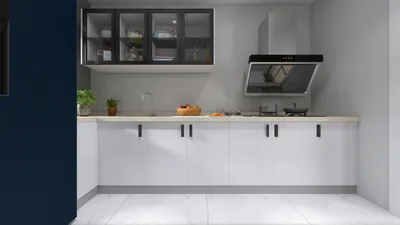


A client once requested their kitchen design to resemble an open bakery, showcasing shelves filled with jars like artistic pieces. Despite my warnings about potential dust and clutter, a year later, they shared photos of a bright, cheerful kitchen with everything easily accessible. This experience highlighted how removing cabinet doors can transform a small kitchen into a vibrant display using a few simple strategies.
1. Curated Open Shelving
Open shelving offers a classic doorless option: keep daily dishes and glassware on lower levels while displaying beautiful items above. Grouping objects by color or material imparts a serene look, appearing intentional rather than chaotic. The benefits include immediate access and added visual interest; however, regular decluttering and dusting become necessary duties.
save pin
2. Replace Doors with Curtains
For those who appreciate open storage yet desire occasional concealment, light curtains serve as a delightful compromise. They soften the kitchen's appearance and provide a budget-friendly method to change the look seasonally. I utilized this idea in a rental property where drilling was not allowed, maintaining a tidy look while still enjoying fully visible storage when guests visited.
save pin
3. Use Pull-Out Drawers Inside Open Bays
Installing pull-out drawers or baskets within open bays allows you to maintain a visually open layout while controlling clutter. These drawers safeguard linens and utensils from dust while being more organized. This combination addresses one of the primary issues with doorless cabinets: the unseen mess that can turn an attractive shelf into a source of anxiety.
save pin
4. Glass Shelving and Backboards
Replacing solid shelving with glass and adding a reflective backboard enhances the sense of space and brightness. This minor upgrade adds a luxurious feel and allows items to shine without the heaviness of closed cabinets. However, be cautious as glass can show fingerprints and requires careful handling to prevent breakage.
save pin
5. Designated Zones and Labels
When creating a kitchen without cabinet doors, establishing zones is crucial: allocate one open area for breakfast items, another for cookware, and a third for display pieces. Using labels on baskets or trays keeps everything organized and visible. While this approach may be low-tech, it is highly effective. I once relied on this strategy when a family of five needed to streamline their busy morning routine without frantic searching.
To plan layouts and visualize how a doorless design will translate in your space, I frequently utilize a room planner to experiment with various shelf heights and sightlines.
save pin
FAQ
Q: Do kitchen cabinets without doors require more maintenance?
A: Yes, they do necessitate more regular dusting and organizing, but the reward is quicker access and a more spacious feel in smaller kitchens.
Q: Can open cabinets affect the home's resale value?
A: It largely depends on how well they are executed. Well-designed, functional open shelving can attract buyers who prefer modern, airy kitchens, while others may lean towards traditional closed cabinets.
Q: What materials are best suited for doorless shelving?
A: Sturdy materials like solid wood with protective finishes, laminate, or tempered glass are ideal; steer clear of low-quality particleboard in humid areas.
Q: What are some quick ways to conceal messy shelves?
A: Yes—baskets, trays, or a fabric panel can instantly hide clutter while preserving the doorless aesthetic.
Q: Can I convert existing cabinets into open shelving on my own?
A: Often, yes. Removing the doors and refinishing the front is a manageable DIY task, but make sure to check the stability and condition of the hinges first.
Q: How can I minimize dust and grease accumulation?
A: Store frequently used cooking items in sealed containers, utilize easy-to-clean backboards, and ensure good ventilation in the kitchen to reduce grease buildup.
Q: Is open shelving practical for families with small children?
A: It can be effective if you keep fragile and heavy items out of reach and make lower drawers or closed storage accessible for kids.
Q: Where can I find expert advice for planning a doorless kitchen layout?
A: For practical planning resources and examples, look into professional layout tools; the National Kitchen & Bath Association also offers reliable design principles backed by industry standards (https://www.nkba.org).
save pin
Homestyler is your go-to online home design platform, perfect for both novices and seasoned designers. With its user-friendly design tool, stunning 3D renderings, an array of inspiring design projects, and helpful video tutorials, you can effortlessly bring your dream home to life!
今すぐ无料でデザイン
































