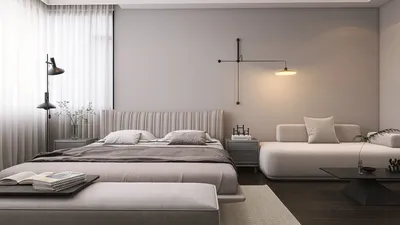


I once arrived at a client's home to discover they had eagerly painted their hallway door a striking chartreuse color without my prior knowledge. We shared a laugh, learned from this experience, and it inspired me to adopt a guiding principle: a painted interior door can significantly influence the atmosphere of a room. Especially in compact spaces, taking a bold approach with color can transform a simple door into a piece of art instead of an eyesore. This concept was vividly illustrated in a recent design case study that I used to visualize the effects before we even began painting.
1. Dual-Tone Trim and Door
I enjoy creating a door with two distinct tones—a darker base paired with a lighter top—to add visual height or provide balance in a room. This method is cost-effective, reversible, and instantly elevates the sophistication of the space, although achieving a neat line along the divide does require a steady hand with tape. If you're lacking painting experience, consider practicing on a small panel to avoid those late-night touch-ups from uneven stripes I once encountered.
save pin
2. Deep Monochrome
Coating a door in the same deep hue as the surrounding walls results in a calming, uninterrupted background that accentuates furniture nicely. However, in smaller rooms, this could result in a lack of visual definition, so opting for hardware in a contrasting finish can remedy this without necessitating a paint change. For budget-conscious homeowners: satin finishes are more effective at concealing fingerprints than high gloss in busy areas.
save pin
3. Statement Door, Statement Room
Designate a door as the focal point by selecting a color that subtly echoes in other elements—like a throw pillow, an art frame, or a stripe in a rug. I applied this approach in a kitchen redesign, resulting in a meticulously curated feel rather than a random assortment; utilizing a digital mockup of the layout, like the engaging kitchen color story from Homestyler, can help visualize these combinations before actual application. One caution: if your home has multiple doors, resist the temptation to paint them all in a bold, identical shade unless a cohesive look is your goal.
save pin
4. Chalkboard or Writable Areas
Chalkboard-painted doors serve as both functional and fun elements—ideal for family homes or small apartments—acting as message boards, grocery lists, or play areas for kids. While this approach is both whimsical and practical, it necessitates regular touch-ups and proper priming for lasting durability. I always advise sealing the edges to prevent chipping from frequent use.
save pin
5. Decorative Patterns or Hand-Painted Details
Using stencils, color blocking, or hand-painted designs can elevate a simple door into an heirloom piece. I once added a delicate leaf border to a bathroom door, and the client continues to share photos with me years later. Bear in mind that this approach requires more time and precision, so it's wise to test a swatch on a sample piece beforehand—consider a similar small bathroom makeover for inspiration before making a final commitment.
save pin
FAQ
Q1: What finish should I opt for painting interior doors?
A1: Satin or semi-gloss finishes strike a great balance—durable and easy to clean without being overly shiny. Use high-traffic variants for entry doors.
Q2: Is it possible to paint over varnished wood doors?
A2: Certainly, but ensure to sand or degloss and use a bonding primer to guarantee adherence and prevent future peeling.
Q3: How can I choose a door color that will not quickly go out of style?
A3: Opt for colors that relate to neutral tones (like warm greys or muted blues) and add accents elsewhere to easily refresh the look without needing to repaint everything.
Q4: Are low-VOC paints suitable for indoor doors?
A4: Absolutely—low-VOC paints significantly minimize indoor air pollution compared to traditional paints. The U.S. EPA highlights that utilizing products with reduced VOCs helps enhance indoor air quality.
Q5: Should I paint the interior door frames the same color as the door?
A5: It varies—using the same color can create unity and modernity, while contrasting trims can underscore architectural features. I recommend testing samples under the room's lighting prior to making a decision.
Q6: How long does it typically take to paint a door properly?
A6: Allocate a full day for preparation, priming, and applying two coats along with drying time; rushing often results in visible brush marks or drips.
Q7: Is it preferable to remove the door or paint it in situ?
A7: Detaching the door allows for cleaner edges and makes painting both sides easier, but painting while the door is still attached is suitable for quick fixes or to minimize disruption.
Q8: Do you have long-term maintenance tips for painted doors?
A8: Utilize gentle cleaning agents, promptly address chips, and avoid abrasive tools—consistent maintenance pays off in aesthetics and reduces the need for repainting expenses.
save pin
Homestyler is your go-to online home design platform! With an easy-to-use design tool, stunning 3D renderings, and a wealth of design projects and DIY video tutorials, you can effortlessly create and visualize your dream space. Transform your ideas into reality today!
Projete agora para LIVRE
































