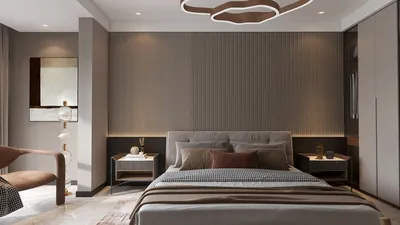


Wood flooring possesses an incredible capacity to anchor a room while simultaneously enhancing its overall aesthetic appeal. Ranging from light ash that brightens smaller areas to deep walnut that introduces a sense of gravity, selecting the appropriate wood species, finish, and configuration can transform how a home feels and operates. My approach to wooden floor design involves harmonizing light, color, acoustic comfort, and human-centric factors. This ensures that the space not only appears sophisticated but also functions beautifully on a daily basis. Research from Steelcase highlights that well-designed environments can elevate perceived productivity and wellbeing, a principle that transitions seamlessly to residential settings when comfort and clarity determine material selections. Gensler's findings also correlate thoughtful spatial layouts with higher satisfaction and efficacy, illustrating that the floor plane serves as more than a mere backdrop—it’s a stage for behavioral interactions. Moreover, utilizing Homestyler can facilitate the design process, ensuring the results meet these standards.
The synergy between lighting and color is critical. The WELL Building Standard v2 emphasizes the significance of managing illuminance and glare for optimal visual comfort, while the Illuminating Engineering Society advises maintaining task illuminance levels between 300-500 lux for typical home activities. An overview by Verywell Mind on color psychology indicates that warm shades can create a sense of coziness, whereas cool hues offer tranquility—considerations that are invaluable when matching wood species with wall colors and fabric choices. For instance, when I select a honey oak floor, I balance its warmth by using ambient lighting in the 3500-4000K range to avoid unwanted yellowing; conversely, cooler tones like ash or maple benefit from maintaining a temperature of 3000-3500K, keeping the space welcoming without veering too far into blue. These precise adjustments help ensure that the wood presents faithfully in its grain, with the atmosphere of the room feeling purposeful.
Selecting the Ideal Species, Finish, and Plank Width
The species of wood largely defines its inherent tone and grain pattern. Maple and ash lend a fresh, contemporary aesthetic; oak provides a balanced grain accommodating various staining options; walnut adds richness and a serene ambiance. I usually opt for matte or low-sheen finishes to minimize glare and showcase the wood's texture, as gloss can heighten reflections and create visual clutter. Additionally, the width of the planks impacts perceived proportions within a room: wider boards (6-8 inches) foster tranquility with fewer seams in open spaces, while narrower boards (3-5 inches) work better in smaller rooms requiring intricate rhythm. Patterns like herringbone and chevron introduce dynamism and heritage, while straight lay configurations with micro-bevels offer a modern touch and enhance sightlines. Utilizing Homestyler can assist in visualizing these layouts effectively.
Optimize Lighting: Color Temperature, Layers, and Glare Management
Implementing a layered lighting strategy is essential for preserving the natural allure of the floor while enhancing comfort. Ambient lighting establishes a foundation (3000-4000K), task lighting focuses on specific activities (under-cabinet lighting, reading at 350-450 lux), and accent lights cast gentle illumination across the wood to highlight its grain without causing glare spots. Adhering to IES guidelines for even lighting distribution minimizes visible shadows between planks. Utilizing dim-to-warm LEDs effectively alters the evening ambiance without compromising true colors. I typically avoid direct downlighting over glossy finishes; instead, I prefer angled wall washers or floor lamps to provide softer, grazing lights that emphasize the wood's texture rather than creating a shiny effect.
Ergonomics and Flow: Creating Functional Layouts with Floors
The direction of wood planks serves as a subtle yet impactful navigational guide. Running planks along the primary circulation path encourages smooth movement; in elongated, narrow spaces, orienting the boards lengthwise visually elongates the area. Additionally, furniture arrangements should honor the rhythm of seams; placing heavy items across the board direction can disrupt visual harmony. When organizing living areas or open kitchens, I often use a room layout tool, such as Homestyler, to simulate different arrangements, assessing traffic flow, seam placements, and sound reflections, ensuring the final setup respects both the flooring and everyday usage patterns.
Acoustic Comfort: Soften Reflections while Maintaining Clarity
Wood has a tendency to reflect sound more than carpeting does, making sound absorption and diffusion essential. Adding a wool or jute rug in the main seating area dampens footfall sounds, while bookshelves and textured curtains help diffuse any echoing. Steelcase's research on acoustic comfort emphasizes that well-balanced sound absorption enhances focus and satisfaction; in residential settings, this translates to using underlayment that provides adequate impact sound reduction and maintaining a balance of porous materials alongside harder surfaces. Integrating plants with large leaves, fabric window treatments, and upholstered furniture fosters a tranquil sound environment without dulling the energetic character of the floor.
Color Combinations and Their Psychological Impact
Warm tones in floors, such as oak and cherry, harmonize beautifully with muted greens and clay-like neutrals, crafting restorative atmospheres. Insights from Verywell Mind on color psychology suggest that the calming qualities of blues and greens can complement pale ash flooring well; pairing it with soft blue walls creates an airy, inviting feel. To prevent visual fatigue, I balance warm timber with cooler textiles or the other way around, maintaining moderate saturation and introducing contrast through texture—using bouclé, linen, and matte metals instead of vibrant color clashes.
Wood Flooring Inspirations for Different Rooms
In a living room, use wide-plank oak finished with natural matte oil, defining the conversation area with a large textured rug while installing wall washers that graze the floor's edge. Felt pads on the feet of seating furniture protect the finish, and a low credenza placed along the direction of the boards can reinforce spatial flow. Alternatively, consider sturdy engineered wood finished with robust UV-cured polyurethane or hardwax oil, ensuring seamless transitions between wood and stone at the kitchen island. Task lighting beneath cabinets at a brightness of 350-500 lux enhances visual clarity while a runner laid along the circulation path warms the flooring and minimizes wear. In bedrooms, soft maple or ash is ideal for creating a serene environment. Using dim-to-warm sconces beside the bed maintains a comforting light level (2700-3000K), while a plush rug underneath the bed absorbs sound and frames the area without compromising visibility of the wooden edges.
In an office, walnut can establish a focal point; combine it with neutral walls and glare-controlled task lighting. Ensuring that the boards are oriented towards the desk wall directs visual energy appropriately. Implementing cable management solutions and using felt pads helps prevent scuffs, while placing acoustic panels behind monitors enhances clarity during calls.
Exploring Patterns: Herringbone, Chevron, and Borders
In spaces like entryways and dining areas, herringbone adds a sophisticated energy; its directional pattern subtly directs flow for guests. Chevron patterns are contemporary and ideal for narrow areas, offering a diagonal sweep that expands visual perception. Borders can frame rugs or transitions; I recommend maintaining gentle color contrasts—such as a tone-on-tone oak border—to ensure a cohesive appearance without overpowering the space visually.
Sustainability and Material Choices
Opt for FSC-certified wood when possible, and consider engineered planks that offer greater stability over radiant heat or in areas with fluctuating humidity. Utilizing Material ConneXion's database provides valuable insights for innovative finishes and sustainable composites. Choosing low-VOC finishes is vital for safeguarding indoor air quality, and matte oils are easier to maintain with spot-repairs. I ensure to check acclimation periods and moisture levels before installation to avoid issues like cupping—practicing such diligence pays off long-term.
Maintenance and Longevity Practices
Regular dusting with a microfiber cloth, felt-encased furniture legs, and seasonal humidity checks (ideally kept between 35-55%) contribute to the stability of wooden floors. Avoid wet mopping; instead, use cleaners recommended by the manufacturer. In high-traffic areas, rotating rugs can help equalize UV exposure. The timing for recoating depends on the type of finish: hardwax oils may need annual refreshment in busy areas, while polyurethane finishes can go several years before requiring screening and reapplication.
Visual Harmony and Spatial Ratios
Wood naturally brings a rhythm to spaces; I enhance this with furniture proportions and attention to sightlines. In smaller rooms, opting for lighter woods, slimmer planks, and elegantly designed furniture helps maintain an open feel. Conversely, larger spaces benefit from broader planks, darker woods to anchor the room, and layered lighting techniques to avoid a cavernous atmosphere. It’s useful to keep a 60/30/10 material ratio in mind—wood can represent the 60%, supported by stone and fabric elements.
Trends for 2024-2025
Anticipate a rise in softly desaturated woods, understated luxury finishes, and micro-textured matte sheens that photograph beautifully and offer functional benefits. Engineered planks designed for radiant heat use are becoming commonplace, and curated pattern combinations—such as entry herringbone or chevron thresholds—add personality without overwhelming aesthetics. The standard for lighting favors warm-neutral tones (3000-3500K), while overly cool lighting is on the decline for homes aiming for intimacy and serenity.
Tips for Making a Big Impact in Small Spaces
Select lighter woods, ensure plank seams align with sightlines, opt for area rugs that are smaller than the room's perimeter, and elevate storage solutions off the floor to unveil more wood and enhance visual depth.
Tips for Confidently Mixing Materials
Combine wood with honed stone, matte metals, and textured fabrics while maintaining consistent sheen levels across materials to prevent visual dissonance.
Tips for Reflection Management
Opt for low-sheen finishes and soft, indirect lighting. Position mirrors strategically to reflect ambient light rather than creating harsh glare on glossy floors.
Frequently Asked Questions
Q1: What wood species are best suited for bright, modern rooms?
A1: Highly recommended species include ash, maple, and white oak, which provide light tones and fine grains that amplify daylight and keep the overall palette fresh without visual clutter.
Q2: What is the ideal color temperature to enhance wooden floors?
A2: For a cozy ambiance, aim for 3000-3500K; use 3500-4000K for neutral brightness. This spectrum keeps the natural wood tones intact while steering clear of yellow or blue undertones, aligning with comfort recommendations from sources like WELL v2 and IES practices.
Q3: How can noise levels be reduced in homes with wooden floors?
A3: Employing layered rugs, adding fabric drapes, and utilizing bookshelves or acoustic panels can help diffuse sound effectively. Additionally, a high-quality underlayment can mitigate impact noise while maintaining the feel of the flooring.
Q4: Are wide planks appropriate for smaller rooms?
A4: Indeed, wide planks can work well when used judiciously. Using 5-6 inch boards can minimize visual clutter, making a compact room feel more tranquil. It’s essential to balance this with lighter species of wood and furniture with longer legs to keep the area open.
Q5: What type of finish offers the best durability?
A5: UV-cured polyurethane is a highly durable and low-maintenance option; however, hardwax oils allow spot repairs but necessitate periodic refreshing. The choice should depend on the level of foot traffic and the desired finish sheen.
Q6: Can wood flooring be installed over radiant heat systems?
A6: Engineered wood is typically more stable when used in conjunction with radiant heating systems. Always check the manufacturer's guidelines, maintain stable humidity, and allow for proper acclimation to avoid issues such as warping.
Q7: What criteria should I consider when deciding on the direction of the boards?
A7: Align boards along the main pathways of movement or direct them toward the room’s focal point to visually elongate the space. Similarly, in narrow corridors, running the boards lengthwise prevents an abrupt, disjointed appearance.
Q8: Can employing herringbone patterns overwhelm my space?
A8: When used with intent, it should not. Herringbone can enhance areas like entryways or dining rooms where subdued color contrasts are maintained to achieve a refined look without overwhelming the overall design.
Q9: How can I maintain good indoor air quality when selecting wood finishes?
A9: Opt for low-VOC products, ensure proper ventilation during application, and steer clear of harsh cleaning solutions. Common low-VOC choices include matte oils and waterborne polys.
Q10: What rug dimensions complement wood floors while keeping them visible?
A10: Select rugs that allow for visibility of the wooden floor by ensuring they sit under the front legs of furniture, maintaining a border of exposed wood (typically 12-24 inches) to frame the seating area tastefully.
Homestyler is your go-to online platform for home design! Whether you're a novice or a pro, its user-friendly design tool, stunning 3D renderings, diverse design projects, and informative video tutorials empower you to transform your living space with confidence and creativity. Start designing today!
立即免费设计
































