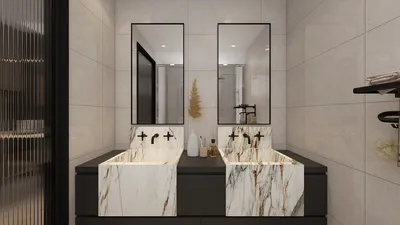


Rooms decorated in the Japanese style exemplify the charm found in simplicity, harmony, and a deep connection with nature. The underlying philosophy of Japanese interior design aligns closely with Zen principles, merging minimalism with functionality. A defining characteristic of these living spaces is the inclusion of natural materials like wood, bamboo, and paper, which not only foster a warm atmosphere but also highlight the Japanese respect for the natural environment. Shōji screens, elegantly crafted sliding doors made of wood and translucent paper, serve to create adaptable layouts while inviting natural light into the home. This bond with nature is further showcased by the use of indoor plants, bonsai trees, and tranquil water features, all contributing to a sense of calm and peace within the residence. The color schemes prevalent in Japanese decor lean towards soft, muted tones, emphasizing earthy hues such as browns, greens, and beiges. This selection fosters a soothing ambiance that harmonizes beautifully with the natural materials present throughout the space. Textiles are vital in enriching the character of Japanese rooms; traditional fabrics like silk, cotton, and linen typically find their way into cushions, tatami mats, and curtains, ensuring both comfort and aesthetic appeal. In Japanese decorated spaces, furniture tends to be low-profile, promoting a feeling of groundedness. Futons, the traditional bedding, can be neatly rolled and tucked away during the day, freeing up space for daily activities. Often, low tables are surrounded by floor cushions, encouraging a relaxed and communal atmosphere. Such an arrangement maximizes space while creating an inviting ambiance for social gatherings. Lighting is essential in shaping the atmosphere of Japanese rooms; soft, diffused light is favored, often produced by lamps crafted from paper or fabric, casting a gentle, warm glow. Candles and lanterns also enhance the serene setting that Japanese decor strives to establish. Including traditional Japanese artwork, such as calligraphy and ink paintings, adds depth and character to the interiors. These artworks often depict nature or philosophical motifs, reinforcing the profound connection to the natural world. Additionally, the strategic arrangement of furnishings and decor adheres to Feng Shui principles, enhancing a harmonious flow of energy throughout the area. One of the most iconic elements in Japanese interior design is the integration of Zen gardens, which can even be found in compact apartments. These small-scale landscapes, typically consisting of stones, gravel, and moss, provide a peaceful space for meditation or appreciating nature’s beauty. The minimalist essence of these gardens mirrors the foundational philosophy of Japanese design: less truly is more. In summary, Japanese decorated rooms offer much more than mere visual appeal; they represent a way of life that cherishes simplicity, nature, and harmony. If you’re eager to cultivate a tranquil sanctuary within your home or wish to appreciate the elegance found in Japanese design, grasping its principles can significantly enrich your interior design endeavors. By incorporating natural materials, soft colors, and a minimalist ethos, anyone can infuse their living space with a touch of Japan, creating a serene haven to unwind and reconnect with nature. To help visualize these concepts, consider utilizing platforms like Homestyler, which can assist in bringing your design ideas to life.
Suggestions 1:
Think about adding a Shōji screen to create distinct areas while allowing natural light to permeate.
Common Inquiries
Welcome to Homestyler!
Concevez maintenant gratuitement
































