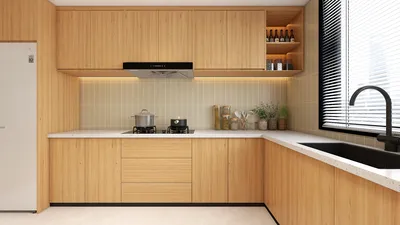


As lifestyles evolve at a rapid pace, traditional homes often struggle under the weight of clutter, noise, and inefficient use of space. Recent analysis from Zillow indicates that families are increasingly prioritizing smart layouts over sheer square footage, highlighting a shift in residential design trends. Consequently, a 3D color floor plan for a three-bedroom house transcends mere illustration; it transforms into a dynamic interface that fosters calmness and enhances daily living efficiency. The future of home design is emerging, and I can discern its elements through this home's intricate layers, ideal for utilizing tools like Homestyler for optimal spatial arrangements.
Courtyard Spine with Split Private Wings
Design Logic: At the heart of the home lies a central indoor-outdoor corridor, ensuring family interactions are balanced: a vibrant social zone in the center, flanked by two private wings, all designed to adapt to hybrid working conditions and accommodate aging gracefully.
Flow: The journey through the home begins at the entry, leading into a mudroom, then to the kitchen hub, onto a living terrace, and into the left wing (primary suite) or right wing (guests/kids), creating a seamless navigational path.
Sightlines: Extended views connect to garden spaces, while layered cross-views parallel privacy configurations—public areas in the foreground, semi-private in the middle, and private spaces in the background.
Storage: Thoughtfully designed built-in units around the perimeter serve as effective storage points: pantry, bench lockers, and linen towers help differentiate between items accessed daily versus those needed less frequently.
Furniture Fit: A sofa should comfortably measure between 38-40 inches deep, dining tables at 84×40 inches, and the primary bedroom's wall should allow for a clear 12-foot space, ensuring that circulation paths maintain a minimum of 42 inches.
Verdict: This design functions like a stable protocol—social interactions flow seamlessly without disruption, while quiet tasks remain unobtrusively contained, paving the way for a productive yet tranquil environment over the years.
save pin
Flexible Core with Pocket Rooms
Design Logic: This home incorporates a central flexible core featuring modifiable spaces such as a pocket office and media niche which can transform into a playroom or guest suite as family needs evolve.
Flow: The kitchen island serves as the hub of activity; pathways extend to pocket rooms, the laundry area, and outdoor spaces, forming a loop that minimizes wasted routes.
Sightlines: Open shelving and glass transoms allow natural light to flow while providing controlled visibility; this setup helps maintain clear organization from the central island.
Storage: Pocket rooms are equipped with floor-to-ceiling pegboards and spacious drawers, creating easily accessible areas for toys, tools, or home office materials, complete with organized labeling.
Furniture Fit: The island measures 10×4 feet, with a sectional sofa resting on a 9×12 rug, accompanied by two desk alcoves that are 60 inches wide; ensuring a minimum clearance of 36–40 inches for comfortable navigation.
Verdict: This core adapts like an updated software system—families can shift functions without the need to redesign the entire home.
save pin
Primary Suite as Quiet Operating System
Design Logic: The main bedroom, bathroom, and walk-in closet should function as an operating system: optimizing sleep, recovery, and dressing with minimal mental strain.
Flow: The design moves from the bed axis to a wet bathing area, followed by a dry vanity, and looping back to the wardrobe, enabling efficient morning routines without backtracking.
Sightlines: Warm, low sightlines connect to a personal garden; frosted glass partitions provide privacy while maintaining a tranquil environment in the foreground.
Storage: Organized wardrobes feature 24-inch deep hanging spaces, 14-inch shelves, and concealed hampers—efficient design allows for quick access and tidiness.
Furniture Fit: The bed wall measures between 12-13 feet, with nightstands at 24 inches and a 72-inch vanity run; door swings and a 36-inch clearance prevent congestion.
Verdict: This quiet operating system helps eliminate stress and encourages restful sleep, making daily habits feel increasingly smooth over the years.
save pin
Final Takeaway
The 3D color floor plan design for a three-bedroom house serves as a living interface, where movement, light, and storage operate harmoniously like code. With flexible wings, pocket rooms, and an OS-like primary suite, the home becomes future-ready rather than merely a static model. From my perspective, the ideal homes of tomorrow won't necessarily be larger but will be intentionally designed to meet evolving needs. My ongoing projects highlight how small yet significant spatial choices can fundamentally alter the way people experience their homes, often utilizing tools like Homestyler for enhanced visualization.
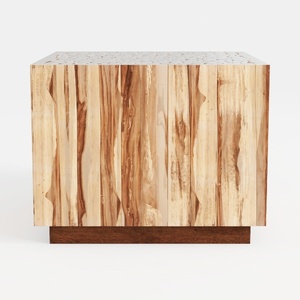

Minimalist Solid Wood Accent Cabinet with Textured Top 3D Model

Minimalist Brown Leather L-shaped Sectional Sofa 3D Model

Rustic Solid Oak Round Coffee Table Unique Geometric Base 3D Model
Homestyler is your go-to online home design platform, perfect for creating stunning interiors. With its user-friendly design tool, impressive 3D renderings, and a wealth of DIY video tutorials, you can effortlessly transform your vision into reality and explore endless design possibilities.
تصميم الآن مجانا
































