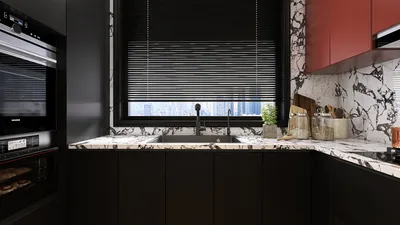


Hallways play a crucial role in connecting various spaces, welcoming guests, and often serving as the first impression of a home. The strategic use of wall hanging lights can transform a narrow corridor into a striking architectural feature, striking a perfect balance between brightness, comfort, and character. In my design projects, hall lighting is approached as both a means of navigation and a way to establish a visual rhythm. When executed effectively, wall lights minimize shadows, soften edges, and enhance depth perception, making the hall appear more spacious than it actually is.
When it comes to lighting, the quality of illumination and comfort are paramount, overshadowing the mere selection of fixtures. For navigation areas, the Illuminating Engineering Society advises a brightness level of approximately 50–100 lux for basic wayfinding, with an increase to 100–150 lux for enhanced visibility on stairs and transition zones (IES standards). For areas where individuals tend to pause, such as near an entry console or gallery wall, increasing brightness to 150–200 lux allows for improved task visibility without causing glare. On the health front, WELL v2 emphasizes the importance of glare control and balanced contrast in promoting visual comfort and reducing eye strain; consistent vertical illumination in hallways facilitates safer movement and better visibility of faces and signage (WELL v2, Light concept). Utilizing a room layout tool like Homestyler can help you meticulously plan spacing and sightlines before any drilling begins, ultimately saving time and avoiding unexpected challenges.
Design Principles for Hall Wall Lights
Initially, I focus on vertical illumination and managing contrast. Sconces that emit light both upward and downward distribute illumination evenly along the wall, thereby mitigating the cave effect. A color temperature range of 2700–3000K is ideal for creating a warm, inviting atmosphere in home environments, while spaces with a contemporary style may benefit from a cooler 3000–3500K to maintain clarity in art and finishes without appearing sterile. A consistent color rendering index (CRI 90+) is essential to ensure that wood tones, paints, and artworks accurately reflect their true colors. In corridors narrower than 1.2m (4ft), using shallow-profile sconces (with a projection less than 4in) ensures compliance with typical code clearances in many regions.
Fixture Styles That Elevate a Hall
- Slim architectural sconces are perfect for lengthy corridors; seek out asymmetric optics to elegantly wash the wall and elongate the space.
- Diffused globe sconces with opal glass effectively soften bright spots and complement skin tones, making them ideal for placement near mirrors and entry consoles.
- Picture lights and gallery bars are ideal for art-centric halls, providing a controlled, forward-leaning light that minimizes glare on glazed surfaces.
- Plug-in swing-arm sconces are advantageous for rental spaces; place them above a bench or console to create a designated atmosphere without the need for rewiring.
Height, Spacing, and Beam Angles
- For mounting height, aim for 60–66 inches (152–168 cm) to the center as a reliable guideline that aligns with average eye level and door hardware. In spaces with tall ceilings (10ft and above), consider raising it to 66–70 inches to maintain proportionality for taller sconces.
- Optimal spacing for continuous runs should be 6–8 ft (1.8–2.4 m) on center, ensuring that overlapping beam spreads prevent dark scalloping. In narrow hallways, closer spacing or wider beam angles (40–60°) are beneficial.
- For beam control, directional heads should be slightly angled away from eye level to reduce glare. Select fixtures that offer a shielding angle of 30° or more to conceal the light source from normal sightlines.
Layering With Ceiling and Accent Light
Wall lights provide crucial vertical brightness; complement them with a low-glare ceiling layer for overall visibility. Flush or semi-flush luminaires with broad diffusers supply additional light without introducing competing shadows. Incorporate discreet floor washers near stair areas. To accentuate art, limit the contrast in accent lighting to a ratio of 3:1 against adjacent surfaces, a guideline endorsed by WELL v2 for visual comfort. Installing dimmers on both wall and ceiling circuits facilitates effortless adjustments of mood, transitioning from daytime clarity to evening tranquility.
Color, Materials, and Mood
Incorporating color psychology, warmer ambers foster relaxation, while muted neutrals provide peaceful transitions. For darker-hued hallways, consider using brushed brass or warm bronze accents to add depth. Conversely, in light, airy designs, matte black or satin nickel can ground the color palette. Textured glass and prismatic lenses introduce an element of sparkle without creating glare. For coastal or humid entryways, opt for damp-rated finishes and sealed glass to ensure longevity and maintain aesthetics over time.
Human Factors and Safety
Creating a comfortable corridor enhances face recognition and edge visibility. Avoid using bare filament bulbs at eye level, as they produce excessive glare and lead to visual fatigue. In households with children, maintain compact sconce projections. In spaces where mobility might be an issue, continuous wall washing aids individuals in discerning thresholds and floor level changes. If the hallway overlaps with staircases, prioritize even lighting on both risers and treads; aim for 100–150 lux on stairs according to IES recommendations for residential circulation.
Small Hall, Big Impact
In smaller apartments, I frequently employ a paired lighting approach: placing a shallow up/down sconce every 7 ft and situating a singular accent at the end wall to draw the eye forward, thereby creating a perception of elongation in the corridor. Mirrors amplify vertical illumination; position sconces approximately 6–8 in from the mirror edge to avoid doubling glare and to provide flattering lateral light for quick checks before stepping outside.
Sustainability and Maintenance
Opt for high-efficacy LED modules (≥ 80 lm/W) along with dim-to-warm features to conserve energy while maintaining a cozy atmosphere. Consider using field-replaceable light engines or standard socket lamps when feasible, prolonging the lifespan of your fixtures. Durable powdered metal and sealed finishes make cleaning more manageable in high-traffic areas. If you favor natural materials, choosing FSC-certified woods and low-VOC finishes can greatly improve air quality in compact hallways.
Planning Your Hall Lighting Layout
Before finalizing sconce placements, chart door movements, artwork positions, thermostat, and switch locations. Ensure fixtures are installed 8–12 inches away from door casings so that trim does not impede backplates. Pre-visualizing the layout—door, sconce, art, sconce—will lend intentionality rather than randomness to the corridor’s design. To quickly assess spacing and proportions, utilize a layout simulation tool such as Homestyler before making on-site commitments.
Budget-Smart Moves
Opt to hardwire fewer but higher-quality fixtures while incorporating plug-in alternatives where wiring proves cost-prohibitive. Maintain a cohesive family of finishes throughout spaces so that the hallway feels interconnected with adjacent rooms. In areas with lower ceilings, invest in wall lights that feature strong vertical distribution to create a visually uplifting ambiance—often a more effective solution than simply adding another ceiling fixture.
Installation Checklist
- Confirm the height of junction boxes relative to the centerline of sconces.
- Ensure that ADA-like clearances are met for narrow hallways (≤ 4 inches projection when space is tight).
- Align backplates with trim lines to achieve cleaner sightlines.
- Utilize dimmers that are compatible with LED drivers to avoid flickering issues.
- Conduct nighttime glare testing from multiple heights—standing and seated—to guarantee comfort.
FAQ
Q1: What color temperature is best suited for a hallway?
A: A range of 2700–3000K creates a welcoming atmosphere, complementing wood and warm colors beautifully. For contemporary settings or rooms with art, 3000–3500K helps maintain clarity without appearing cold.
Q2: At what height should wall sconces be mounted in a hall?
A: Generally, 60–66 inches from the centerline is recommended. If the ceilings are tall or fixtures are oversized, consider increasing this to 66–70 inches for better proportion.
Q3: What is the recommended spacing for hallway sconces?
A: Space them 6–8 ft on center for even coverage. If corridors are narrow, tighten spacing or select wider beam fixtures to prevent dark spots.
Q4: Can wall lights be the only source of illumination in a hall?
A: Indeed, provided they furnish adequate vertical and horizontal light. Aim for around 100–150 lux measured at floor level while ensuring good brightness on walls to avert tunnel effects.
Q5: What CRI should I aim for when selecting lighting?
A: Look for CRI of 90+ to ensure accurate representation of artwork, finishes, and skin tones, especially essential near mirrors and gallery walls.
Q6: How can I minimize glare in a narrow hallway?
A: Employ diffusers, opal glass, or fixtures with a shielding angle greater than 30°. Avoid direct sightlines to exposed point sources and slightly angle adjustable heads away from direct lines of sight. This aligns with WELL v2's focus on visual comfort.
Q7: Are plug-in sconces a practical choice for rental properties?
A: Definitely. They create ambiance and facilitate navigation without requiring rewiring. Use paintable channels to hide cords, and place them strategically near consoles or benches for deliberate focal points.
Q8: Which finishes are most resilient for entry halls?
A: Powder-coated metals, solid brass with lacquer, and sealed glass withstand fingerprints and humidity effectively. In coastal or damp environments, opt for damp-rated fixtures to ensure durability.
Q9: What’s the best way to illuminate a hall featuring artwork?
A: Combine wall washers or up/down sconces to provide a base glow with dedicated picture lights. Maintain accent lighting contrast around 3:1 to minimize glare on glazing while ensuring visual comfort.
Q10: What dimming strategies are most effective?
A: Employ separate dimmers for wall and ceiling lights. During the day, aim for bright ceiling fill alongside moderate wall illumination. In the evening, dim the ceiling lights while keeping gentle vertical light for smooth navigation.
Q11: Any recommendations for hallways that are adjacent to stairs?
A: Ensure a brightness level of 100–150 lux on stair treads with consistent vertical illumination on walls. Avoid harsh hotspots that obscure edge visibility, following IES guidelines for residential circulation.
Q12: How can I create the illusion of a longer hallway?
A: Establish an engaging focal point at the end wall, whether it be art, mirrors, or plants, and utilize evenly spaced sconces to draw the eye. A slightly more illuminated accent at the end can enhance this perception.


Discover the ease of home design with Homestyler! This user-friendly online platform offers powerful design tools, stunning 3D renderings, and a wealth of video tutorials. Transform your interior spaces effortlessly and unleash your creativity with inspiring design projects tailored for everyone.
立即免费设计
































