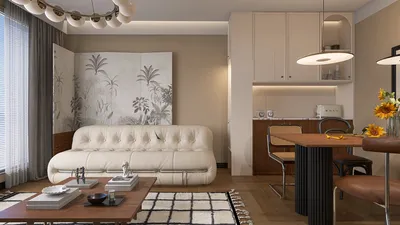


Sunmica laminates possess the ability to elevate a hall from the mundane to the extraordinary—when chosen to harmonize with the room's lighting, size, and usage dynamics. I emphasize color combinations that withstand everyday wear, enhance skin tones in varying light conditions, and establish a cohesive visual flow across walls, consoles, television stands, doors, and storage spaces. In spacious family areas, a neutral base paired with a singular vibrant accent can maintain enduring appeal and potentially bolster resale value.
When selecting colors, it’s crucial to consider how individuals interact with different shades and the way lighting affects these colors. Findings from Verywell Mind on color psychology link blues and greens with tranquility, while warmer hues evoke a social and lively atmosphere—careful balancing is essential in living spaces. From a functional perspective, WELL v2 guidelines recommend managing glare and adjusting light levels to minimize visual strain; choosing mid-LRV (Light Reflectance Value) laminates in combination with matte finishes enhances contrast without causing harsh reflections (for further details refer to WELL v2 Light Concept at wellcertified.com). I also verify task lighting recommendations against IES standards for home living areas to ensure the color palette is effective at any time of day (ies.org/standards).
Hall Color Strategy: Understanding Light, Scale, and LRV
I start by analyzing natural and artificial light: the position of windows, the brightness of light fixtures, and the color temperature (2700–3000K for cozy spaces; 3000–3500K for lively multipurpose areas). In halls with north-facing light, dark laminates with low-LRV can appear dull; I enhance them with warm 3000K lighting and soft finishes. Conversely, in brightly-lit spaces, light LRV creams and soft oaks can lower cooling demands and enhance brightness while requiring matte textures to reduce glare.
Timeless Neutrals with a Touch of Warmth
- Soft Greige + Warm Oak: A greige base (LRV ~55–65) for TV feature walls or paneling paired with warm oak Sunmica on cabinetry. Incorporate brushed bronze hardware for additional warmth. This pairing is flattering to skin tones under warm LED lights and adapts well to decor changes over time.
- Bone White + Textured Linen: A bone white laminate with a delicate linen texture on storage units camouflages fingerprints, while a slightly deeper linen shade on wall panels introduces depth without heaviness.
Modern Contrast for a Crisp Aesthetic
- Charcoal Slate + Natural Walnut: Utilize charcoal laminates for the media wall in a matte finish to eliminate reflection; walnut can serve as the surrounding panels. Choose lighter flooring (beige or light grey) to avoid a cave-like ambiance. Dimmable 3000K lighting softens the starkness of the dark surface.
- Ink Blue + Stone Grey: A touch of rich navy on a cabinet or niche, balanced by medium grey elsewhere. Blue conveys calm sophistication; grey grounds the aesthetic. Add brushed steel or black accents for a unified look.
Inviting Warm Color Schemes
- Terracotta Tan + Cream: Terracotta invigorates a north-facing hall, creating a warm atmosphere; cream offers a calming counterbalance on expansive surfaces. Limit terracotta to 20–30% of the area to prevent overwhelming visual weight.
- Toasted Beige + Honey Maple: Ideal for open-plan halls that show the kitchen area. Beige connects with the walls, while honey maple complements cabinetry. A satin finish facilitates easy cleaning.
Nature-Inspired Serenity
- Sage Green + Pale Ash: Sage promotes tranquility and pairs beautifully with ash wood grains. Complement with a soft white ceiling and 90+ CRI lighting to maintain true greens throughout the evening.
- Mist Grey + Warm Eucalyptus: Use mist grey for substantial storage areas, accented with eucalyptus wood tones on shelving. This choice creates a fresh aesthetic without feeling cold.
Soft Monochromatic Layers
- Warm White + Sand + Putty: Layer three different shades within the same color family across wall panels, door trims, and media units. The subtle variations enhance sophistication without clutter.
- Mushroom Taupe Duo: Two shades of taupe arranged vertically on tall storage units elongate the room; the darker base grounds the design, while the lighter top expands perceived height.
Accent-Driven Yet Harmonious
- Emerald or Teal Accent + Linen White Base: Limit the accent to 10–15% of surfaces, such as back panels or floating shelves. Keep hardware and trims consistent to avoid fragmentation in the design.
- Burnt Sienna Highlights: Instead of full accent panels, integrate thin Sunmica inlays (6–12 mm) across doors for a boutique touch.
Durable Family Halls: Blending Practicality with Aesthetics
I recommend laminate textures that conceal smudges: fine matte, anti-fingerprint finishes, or textile grains. Matte dark options for TV walls minimize visible reflections. Ensure edge bands complement the tone and sheen. In households with children, opt for mid-tones (LRV 35–55) as they conceal wear better than pure whites or dark blacks.
Light and Color Rendering: Achieving Harmony with LEDs
- Strive for 90+ CRI lighting to ensure accurate color representation at night.
- Opt for 2700–3000K for cozy lounges; 3000–3500K for multipurpose areas.
- Balance overall lighting with wall washers to gently illuminate textured laminates; this enhances grain visibility without glare.
Color Placement Guided by Layout
Position darker laminates on lower surfaces (TV stands, low storage) to stabilize the composition, while applying lighter tones to tall units to maintain an open aesthetic. If testing various zoning options—TV wall versus reading nook—use a layout simulation tool, such as Homestyler, to experiment with sightlines, light distribution, and color proximity before finalizing your design.
Solutions for Small Halls
- Emphasize high-LRV bases (55–75) alongside one mid-tone wood.
- Vertical grain on tall storage units enhances wall height; minimize handle designs.
- Position a mirrored panel opposite a window, avoiding direct TV reflections.
Zoning for Larger Halls
- Utilize color to differentiate areas: a neutral zone for media, a slightly deeper reading spot (ink blue or sage), and a warm-toned dining area (maple or terracotta).
- Ensure a uniform metal finish across different zones to create a cohesive palette.
Trending Hall Color Palettes for 2024–2025
- Latte Neutrals: Cream, café au lait, warm taupe.
- Deep Greens paired with Light Stone: Forest or bottle green combined with travertine or ash shades.
- Soothing Blue-Grey Tech Palette: Soft blue-grey backgrounds accented with graphite for media-centric walls.
Material Combinations Enhancing Sunmica's Appeal
- Laminate fused with Porcelain featuring subtle veining for a sophisticated console appearance.
- Laminate combined with Fluted Wood Accents to introduce depth without significant expense.
- Laminate paired with Acoustic Panels that match for sound absorption in expansive halls.
Reliable Color Guidelines I Follow
- 60/30/10 Ratio: Balancing foundation, secondary, and accent colors to prevent overcrowding.
- Evaluate Under Actual Lighting: Observe samples at various times (morning, afternoon, evening) as colors can shift with different CCTs and natural light.
- Maintain Consistent Sheen: Mixing gloss and matte finishes on adjacent surfaces can create a disjointed look unless done intentionally.
Sample Color Palettes for Quick Reference
- Greige (LRV 60) + Warm Oak + Brushed Brass
- Cream (LRV 70) + Sage + Ash
- Mist Grey (LRV 65) + Navy + Walnut
- Bone White (LRV 72) + Terracotta + Black
Maintaining and Ensuring Longevity
Utilize gentle, pH-neutral cleaning products; steer clear of abrasive materials. Opt for heat-resistant laminates near cooking appliances. Plan for easily replaceable accent panels so that future style adjustments don’t necessitate comprehensive renovations.
Frequently Asked Questions
Q1. Which Sunmica colors can help a small hall appear larger?
A1. High-LRV shades—such as bone white, cream, and light greige—paired with a light wood feature expand perceived space. Keeping accents minimal and utilizing vertical grains on tall units enhances this effect.
Q2. What color temperature optimally displays neutral laminates?
A2. Use 2700–3000K for warm neutrals and wood finishes, or 3000–3500K for a fresher, sharper appearance. Aiming for 90+ CRI ensures an accurate color representation.
Q3. How can I avoid glare from glossy laminates near the television?
A3. Select matte or ultra-matte finishes for the TV area, supplement with dimmable 3000K spotlights, and situate fixtures to wash the surface gently instead of spotlighting it.
Q4. Are bold colors like emerald or navy appropriate for hallways?
A4. Absolutely, when used as restrained accents (10–15% of surfaces). Apply them on niches, shelving, or a singular cabinetry element while keeping surrounding surfaces neutral.
Q5. What classic combinations are reliable for resale potential?
A5. Pairing greige with warm oak or cream with ash, complemented by low-contrast metallic finishes (like brushed brass or black), provides versatility across various decor styles.
Q6. How should I coordinate doors and skirting with Sunmica panels?
A6. Aim for matching tone and sheen rather than replicating an exact color. Slightly darker skirting enhances wall framing; doors can reflect the accent color for harmony.
Q7. Can Sunmica contribute to improved acoustics in larger halls?
A7. Laminates are inherently reflective. To enhance acoustic performance, pair them with fabric-covered acoustic panels, rugs, and soft furnishings. Match the colors of acoustic panels to laminate hues for visual consistency.
Q8. What is the ideal neutral to accent ratio?
A8. A 60/30/10 distribution is effective: 60% light neutrals, 30% medium-toned woods, and 10% accent colors contribute to a well-balanced space.
Q9. How do I effectively test colors before making a commitment?
A9. Request large laminate samples and position them vertically within the hall, analyzing them throughout the week during morning, afternoon, and evening hours. If possible, prototype designs first within a digital layout tool like Homestyler.
Q10. Which finishes best conceal fingerprints?
A10. Options like fine matte, anti-fingerprint coatings, and textures resembling linen excel in hiding smudges compared to high-gloss finishes.
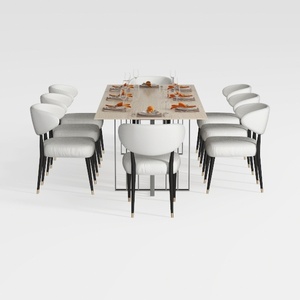
GarveeHome Natural Rattan Dining Chairs Set of 2
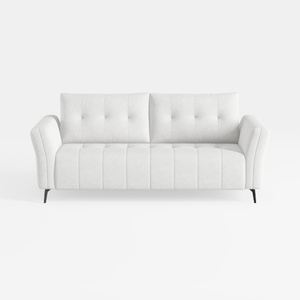
Minimalist Fabric Tufted Loveseat Sofa with Black Metal Legs 3D Model

Modern Marble Top Fluted White Gold Accent Round Coffee Table 3D Model
Homestyler is your go-to online home design platform! With its user-friendly design tool, stunning 3D renderings, and a wealth of design projects and video tutorials, you can effortlessly create and visualize your dream spaces, all while enjoying the process. Perfect for both beginners and pros alike!
تصميم الآن مجانا
































