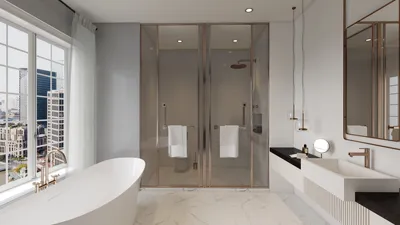


I've observed how halls can evolve significantly when incorporating 3D tile visuals—be it rendered imagery or textured ceramics—alongside a well-thought-out spatial approach. By selecting appropriate image patterns, one can create depth, streamline movement, and spark engaging conversations, all without overshadowing the architectural design. Key factors to consider include scale, lighting, viewing distance, and the integration of your hall with adjoining rooms, all of which can be facilitated through tools like Homestyler.
Understanding the evidence is crucial. Research from Steelcase suggests that a variety of visuals coupled with carefully chosen focal points can enhance the perceived quality of space and provide psychological comfort, leading to greater satisfaction with the environment. The WELL v2 standard emphasizes controlling glare and achieving balanced luminance for visual ease, pointing out that spaces with suitable contrast ratios can alleviate eye strain and boost mood. I apply these standards when selecting 3D tile imagery and lighting configurations, ensuring that the hall remains both captivating and comfortable. For a more in-depth exploration of visual comfort, refer to the WELL v2 framework at wellcertified.com.
Another significant aspect is color psychology. A synthesis by Verywell Mind indicates that warm colors tend to be more inviting, while cooler tones exude calmness and modernity. In a transitional hall, combining a warm-hued 3D tile pattern with cooler wall paints can effectively achieve a balance between energy and serenity. It's important to manage saturation; overly vibrant hues in narrow spaces can generate a feeling of claustrophobia, a consideration easily addressed using design software like Homestyler.
Understanding How 3D Tile Images Add Dimension and Motion
Three-dimensional designs utilize shadows and perspectives to create visual dynamism. Geometric illusions such as chevrons, cubes, and parametric waves introduce perceived depth, which can visually elongate short corridors or compress excessively long ones. I typically restrict strong perspective effects to about 30–40% of the visible surface to prevent visual fatigue, anchoring these designs with calmer materials like matte paint or wood veneers.
Selecting the Appropriate Image Scale
The scale of visuals is one frequent pitfall I encounter. Large-format 3D tiles (600×1200 mm or larger) are ideal for spacious halls and open entries, providing seamless aesthetics and fewer interruptions. In narrower halls, small repetitive patterns can appear too busy; transitioning to medium-sized tiles (300×600 mm) or continuous image panels allows the eye to perceive a cohesive field. It's advisable to test a 1:1 print sample or create a full-size mockup under actual lighting conditions to confirm the scale and finish.
Lighting Techniques for Texture and Comfort
Proper lighting brings out the third dimension. The Illuminating Engineering Society (IES) recommends balanced vertical and horizontal illumination to facilitate visual tasks and spatial orientation. Personally, I layer indirect ceiling lighting (2700–3000K for warmth or 3500–4000K for clarity), wall grazers positioned 200–400 mm off the surface to emphasize texture, and dimmable accent lighting for focal panels. Managing glare is critical; place lighting fixtures out of primary sightlines and ensure luminance levels stay within comfortable ranges. Typically, a hallway should be illuminated at around 200–300 lux, with adjustable accent lighting for residents' comfort at night.
Material Texture and Upkeep
When considering real 3D tiles over printed images, pay attention to surface texture. Satin or honed surfaces diminish glare compared to high-gloss finishes, while textured ceramics enhance slip resistance, particularly where patterns extend onto floors. Choose stain-resistant grout and consistent joint widths (2–3 mm for porcelain) to maintain visual continuity. Eco-friendly options—ceramics made from recycled content or low-VOC adhesives—are in harmony with sustainability trends for 2024–2025 and contribute to improved indoor air quality.
Planning Layout and Controlling Sightlines
As a connective space, a hall's sightlines dictate the perception of your 3D tile images. Strategically position your most dynamic tile display at a natural stopping point, such as near a console table, artwork, or the curve of the corridor, instead of directly at the entry to avoid a jarring complexity. When analyzing layout options, tools like Homestyler can simulate sightlines and viewer distances across different lighting conditions, aiding in decisions regarding pattern placement and scale.
Integrating the Room Layout Tool
Strategizing Color for Cohesion
Harmonize the palette of your 3D tiles with surrounding finishes. For instance, if your tiles feature bold geometric designs in charcoal and sand, complement these with gentle neutrals on walls and introduce a single accent color (like subdued teal) through decorative items. Limiting to two base tones and one accent shade helps avoid overwhelming visual cues. In family residences, warmer neutrals (such as beige, oat, and terracotta) foster a welcoming atmosphere, while cooler tones (like stone gray and fog) maintain a calm and sophisticated ambiance in modern settings.
Acoustic Considerations
Hard tile surfaces can amplify sound, especially in lengthy corridors. To reduce echo, incorporate sound-absorbing runners, upholstered seating, or acoustic panels situated opposite the tile feature. Balance is essential: you want the tactile benefits of tile without the hollow acoustic effect. This concern is particularly pertinent in open-plan homes where the hall connects with living and dining areas.
Balancing Proportion, Rhythm, and Visual Elements
Establishing a visual rhythm is key. Alternate bold relief panels with more subdued areas, aligning the seams of designs with architectural features—like door frames, niches, or pilasters. Consistent datum lines at chair-rail or mid-wall heights help cohesively connect the hall. Mirrors can enhance depth perception, but they should be placed perpendicular to the 3D motifs to prevent conflicting visual effects.
Details of Installation and Finishing
Precision in installation is crucial for elevated design. I recommend using rectified porcelain for tight joints, with mitered edges at external corners for a unified appearance, and keeping transitions flush with floors to eliminate trip hazards. At terminations, employ slim metal trims that match the hardware tones. For image panels, ensure the use of UV-stable inks and protective laminates to prevent fading in areas exposed to daylight.
Curating the Hall Around Your 3D Tiles
Allow the tile imagery to dictate the ambiance, then carefully select furniture and accessories. A slender console table with built-in lighting, a striking mirror, and a soft textile runner can ease the geometric lines. Aim for a visual weight distribution of 60/30/10: 60% calm surfaces, 30% textured or patterned elements, and 10% bold accents, creating a welcoming rather than theatrical environment.
Frequently Asked Questions
Opt for medium-scale geometric reliefs or subtle linear motifs. Steer clear of highly contrasting cubes or deep trompe-l'œil perspectives that could feel confining in small spaces.
A baseline of approximately 200–300 lux with dimmable accent lighting tends to be suitable for the majority of residential settings. Position wall grazers slightly off the surface and outside direct sightlines to mitigate glare.
Warm neutrals generally contribute to a welcoming ambiance; cool neutrals evoke calm. Select colors from the tile's palette, limiting to two primary tones plus one accent to maintain cohesion.
Absolutely, especially when using porcelain or ceramic tiles with satin finishes. Ensure you specify stain-resistant grout, durable trims, and proper surface preparation to avoid lippage.
Incorporate absorbing elements—textile runners, upholstered seating, or discreet acoustic panels—placed opposite the tile feature to minimize sound reflections.
3D tiles can create depth when applied thoughtfully, coupled with high-resolution panels, calibrated lighting, and strategic placement. Using wall washers and controlled contrasts can help accentuate the perceived depth.
Large-format tiles (600×1200 mm and above) work well in spacious halls; mid-size modules (300×600 mm) help achieve a balanced pattern density in moderate areas. Testing with full-scale samples is highly recommended.
Select tiles that contain recycled materials, utilize low-VOC adhesives, and feature long-lasting grouts. Combining these choices with efficient LED lighting and dimming capabilities can significantly reduce energy consumption.
Maintain simplicity in forms and quietness in materials. A slender console, a single statement mirror, and a muted runner allow the tile to take center stage without clashing visuals.
Position mirrors perpendicular to the feature wall to enhance depth while avoiding duplication of complex illusions. Refrain from placing them directly opposite highly dynamic patterns to prevent visual confusion.

Minimalist Concrete Potted Dried Foliage Plant 3D Model


Minimalist Black Stone Coffee Table Unique Irregular Shape 3D Model
Discover Homestyler, the ultimate online home design platform. With its user-friendly design tool, stunning 3D renderings, extensive design projects, and helpful DIY video tutorials, it empowers you to transform your space into a masterpiece, all at your fingertips. Start your design journey today!
Diseño ahora GRATIS
































