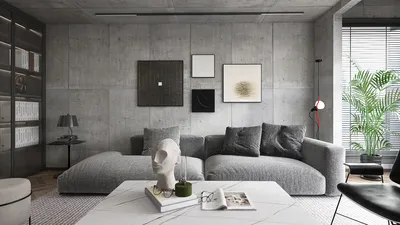


One memorable project involved transforming a garage into a cozy bedroom featuring a skylight, a reading nook, and even a mini disco ball—all at once. This unique brief turned into a fascinating garage conversion case study, highlighting the potential of small spaces to ignite creativity. I discovered that with the right approach, dingy garage spaces can be converted into bright, livable areas, showcasing what you can achieve with tools like Homestyler for visualization.
1. Illuminate the Space Abundantly
In instances where garages have low ceilings or limited window exposure, maximizing light is essential. I often implement a blend of mirrored surfaces, light-colored palettes, and strategically placed glass (frosted or translucent for privacy) to visually enlarge the area. This technique fosters an airy atmosphere, though managing privacy and glare may require adjustable blinds or sheer curtains as solutions.
save pin
2. Create Distinct Areas with Soft Partitions
To delineate spaces for sleeping, work, and dressing without erecting walls, I prefer using curtains, sliding panels, or slender bookshelves. This keeps the conversion both affordable and adaptable—ideal if you later wish to revert the garage back to a storage or hobby area. While not as soundproof as solid walls, this method is quick and budget-friendly, allowing for future flexibility.
save pin
3. Utilize Vertical Space: Loft Beds and Storage Solutions
My favorite strategy is stacking functionalities; loft beds with storage beneath can transform a single-car garage into a multifunctional bedroom. I frequently sketch quick space plans to experiment with various stacks and heights—these designs help clients envision their space's potential headroom and storage. The advantages are abundant storage opportunities, but this approach can complicate construction and necessitate safe ladders or rails for access.
save pin
4. Add Layers of Lighting and Textures for Comfort
Garages can often feel chilly due to concrete flooring and metal doors. I make it a point to incorporate rugs, wall-mounted lights, and soft fabrics to enhance warmth. Employing layered lighting—ambient, task, and accent—provides depth in the evening and ensures the room feels thoughtfully designed. Just remember to be cautious of moisture: using mildew-resistant fabrics is essential if the garage isn't completely dry.
save pin
5. Insulate, Install HVAC, and Include Thoughtful Details
For a bedroom to be comfortable year-round, practical elements are crucial. Insulating walls and garage doors, ensuring proper egress, and planning for ventilation are essential steps. Prior to ordering materials, I often draft layouts for small bedrooms to adjust layouts or window placements—this helps avoid unexpected issues and extra expenses. Although insulation and electrical upgrades represent initial costs, they are worthwhile investments in comfort and property value.
save pin
FAQ
Q: Is it permissible to convert a garage into a bedroom? This varies according to local building codes and zoning laws; numerous areas mandate permits, suitable egress, and ventilation systems. It's always best to consult your local building department prior to embarking on such a project.
Q: What are the typical costs associated with a garage-to-bedroom conversion? Costs can differ significantly based on location and project scope—basic cosmetic changes might only cost a few thousand dollars, while fully insulated heated bedrooms with bathrooms can escalate much higher. I suggest obtaining at least three estimates and budgeting an additional 10-20% for unexpected expenses.
Q: Is it necessary to add insulation and HVAC? Absolutely—garages aren't typically designed for living use. Insulating walls and ceiling as well as adding heating/cooling systems are pivotal for both comfort and energy efficiency. Poor insulation risks causing condensation and mold growth.
Q: How should I manage moisture and flooring? Concrete flooring usually necessitates a vapor barrier and moisture-resistant finishes. I frequently advise engineered wood or luxury vinyl plank laid over a proper subfloor. While rugs enhance warmth, they should not replace necessary moisture protection.
Q: What about egress and windows? Bedrooms are required to have an emergency escape route—usually a suitably sized window or door. According to the International Residential Code (IRC) Section R310, egress windows must comply with specific size requirements to qualify as emergency escape and rescue exits (see IRC R310 for details).
Q: Are DIY conversions advisable? While simple cosmetic improvements can be tackled by handy homeowners, adjustments involving electrical systems, plumbing, structural modifications, and insulation typically necessitate professional expertise and permits. I often begin with decluttering and lighting upgrades over a weekend, subsequently seeking professional assistance for heavier tasks.
Q: What are some effective storage solutions for a narrow garage bedroom? Vertical space is key: installations like wall-mounted cabinets, under-bed storage, and vertical shelving make a significant impact. I also favor multifunctional furniture, such as benches with hidden storage, to keep floors clear and functional.
Q: Will converting a garage affect my property's value? A well-executed, permitted conversion can enhance property value and attractiveness, particularly if it introduces a legal bedroom or rental potential. However, poorly executed or unpermitted changes can detrimentally impact resale, highlighting the importance of doing it correctly.
save pin
Homestyler is the ultimate online home design platform that empowers you to create stunning spaces effortlessly. With its user-friendly design tool, impressive 3D renderings, and a wealth of DIY video tutorials, transforming your home has never been easier or more inspiring!
Design Now for FREE
































