

As we look ahead, the way families live is evolving rapidly, compressing the need for attention while expanding essential requirements. Families of five often navigate challenges such as privacy, noise, and storage on a daily basis. Surveys indicate a significant shift towards prioritizing versatile spaces over formal ones, leading to the incorporation of tools like Homestyler to design the most effective floor plans. The future is on the horizon, where optimized layouts can foster more peaceful and intelligent routines.
Four-Bedroom Configuration with Central Gathering Space
Design Principle: Bedrooms are arranged around a spacious central hub; this design carefully balances accessibility and privacy as children grow and their schedules change.
Flow: The layout features a clear sequence from entry to drop zone, through a kitchen spine, leading to living spaces and finally to bedrooms arranged in a tranquil arc; this minimization of traffic enhances user experience.
Sightlines: The kitchen connects to the living area and study nook, with controlled views leading to the corridor while avoiding direct lines of sight into bedrooms—public areas are unveiled first, while private spaces remain discreet.
Storage Solutions: Built-in shelves along perimeter walls, a spacious pantry, and under-bench storage in the dining area streamline organization; this predictability shortens the time spent searching for items.
Furniture Arrangement: The plan accommodates a dining table with 9-10 feet clearances, sectional seating with pathways of 36-42 inches, and multi-purpose rooms suited for bunk beds; the design aligns with family dynamics.
Conclusion: This design evolves alongside the children, ensuring noise stays at the margins while keeping the central areas collaborative for years to come.
save pin
Split Primary Suite with Connected Kids' Zone
Design Principle: The primary suite is thoughtfully distanced within the layout; the children's area forms a cohesive cluster featuring a micro-studio for their projects, anticipating future needs.
Flow: Upon entering, families navigate through a shared utility area into a communal space, branching off to the children's zone or parents’ retreat; this structure supports varied routines like a binary tree.
Sightlines: Parents have a view into shared living and kitchen areas without intruding into private sleeping spaces; the children's zone provides visability to the backyard, serving as a safe visual reference.
Storage Solutions: A dedicated space for sports gear, a linen tower conveniently positioned between bathrooms, and modular closets with labels for easy access; this system mirrors the efficiency of version control for seasonal items.
Furniture Arrangement: The primary suite accommodates a queen bed with 36 inches of clear space; children can have either two twin beds or bunks, complemented by a 60-inch project table—all designed to prevent clutter accumulation.
Conclusion: This split layout respects adult downtime while fostering children's independence, creating a balance of privacy and visibility throughout.
save pin
L-Shaped Great Room with Flexible Den
Design Principle: The L-shape creates distinct zones without physical barriers; the den adapts between a playroom, guest space, or teen media area—allowing multiple uses within a compact footprint.
Flow: The layout includes an entry buffer, a coat area, followed by a long section leading to the kitchen/dining space, and a shorter leg leading to living areas, smoothly guiding residents throughout the home.
Sightlines: Diagonal lines connect the kitchen to the living area; the den's slightly off-axis position helps reduce visual clutter while remaining easily observable.
Storage Solutions: Drawers beneath the window seat, wall rails for backpacks, and a den closet with adjustable shelves ensure that storage is positioned near high-traffic areas to eliminate congestion.
Furniture Arrangement: With an extendable table suitable for eight, a low-profile sofa to maintain 42-inch pathways, and either a Murphy bed or daybed in the den; the design maximizes functionality on a daily basis.
Conclusion: For a family of five, this L-shaped layout feels like a user-friendly interface—adapting zones fluidly as children progress from playing with Legos to studying late into the night.
save pin
Final Thoughts
An ideal floor plan for a family of five transcends a simplistic blueprint; it operates as a responsive design where flow, privacy, and storage harmonize. Variations such as the split primary suite, child clusters, and L-shaped common areas illustrate that innovative layouts can be compact yet profoundly purposeful. My experience shows that the most effective homes for larger families depend on adaptable spaces, precise furniture arrangements, and thoughtfully managed sightlines—where even minor spatial choices can significantly alter daily living.
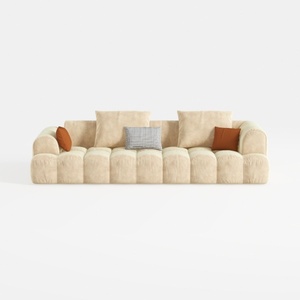

Minimalist Fabric Large Sofa With Decorative Throw Pillows 3D Model

Modern Minimalist Solid Oak Wood Dining Table 3D Model
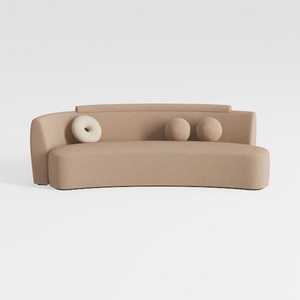
Yozma Curved Chenille Sectional Sofa Beige, Dual D
Homestyler is the ideal online platform for anyone looking to design their space effortlessly. With its user-friendly design tool and stunning 3D renderings, you can explore countless interior projects. Plus, enjoy DIY video tutorials that guide you every step of the way. Bring your vision to life today!
Desain sekarang Gratis
































