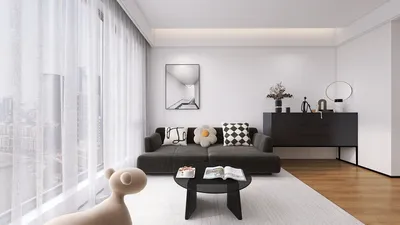


A carefully selected wallpaper has the power to convert an ordinary drawing room into a distinct signature space. It enhances proportions, muffles noise, and sets a desirable ambiance. Throughout my experience designing homes and hospitality spaces, I’ve discovered that true transformation depends on harmonizing pattern size, color psychology, and lighting with the room's function. Research from Steelcase indicates that environments that promote psychological comfort can boost perceived wellbeing and engagement. This often starts with improved visual and acoustic cues in living areas. The WELL v2 standard further promotes glare control and balanced illumination levels, typically ranging from 300 to 500 lux for living areas, which are essential for reducing eye strain and improving color accuracy—critical considerations when selecting wallpaper finishes.
Research consistently supports the significance of color and pattern in design. An overview provided by Verywell Mind highlights that blues and greens evoke feelings of calm and stability, whereas warmer shades like red can energize a space—an aspect we can utilize when creating focal walls. I also incorporate IES recommendations concerning glare management by choosing matte or low-sheen wallpapers, essential in bright environments to prevent harsh reflections. For detailed patterns, I prefer to use warm ambient lighting around 2700 to 3000K to maintain depth and enhance the visibility of details.
Assessing Room Intent Prior to Pattern Selection
Begin by determining the intended purpose of your drawing room. Will it serve as a conversation area, a family gathering spot, or an evening cocktail lounge? Subtle textures such as grasscloth, silk blends, and fine linen weaves contribute to a relaxed atmosphere by reducing noise and providing tactile warmth. For spaces meant for lively interactions, geometric designs or mid-scale floral patterns can create a rhythmic appeal without overwhelming the senses. If you're experimenting with different seating arrangements and sightlines, a room design visualization tool can assist in illustrating how a feature wall fits with your furniture layout.
room design visualization tool
Size and Proportion: Perfecting Pattern Scale
The scale of patterns should correspond to the dimensions of the room and the mass of the furniture. In smaller drawing rooms, utilizing small designs or narrow vertical stripes can help elongate the walls and keep the area visually organized. In larger spaces, expansive botanicals or bold geometric prints can complement the volume and offer a sense of grounding. A useful guideline suggests that the primary pattern should be easily seen from your main seating distance, typically between 2.4 to 3.0 meters. For rooms with high ceilings, consider using wallpaper that reaches two-thirds up the wall, paired with painted upper sections, to create visual rhythm and prevent pattern fatigue.
Leveraging Color Psychology for Mood Enhancement
I utilize color psychology principles to match wallpaper selections with desired behaviors in a space. Cool color schemes featuring shades like sage, slate, and powder blue foster tranquility, making them perfect for reading nooks or formal tea areas. In contrast, warmer hues, like terracotta and cinnabar, evoke energy and are well-suited for vibrant social settings. Neutral tones such as mushroom, oatmeal, and ecru serve as versatile backdrops for changing art displays. In areas with limited natural light, opt for lighter wallpapers that provide gentle contrast, while slightly saturated tones retain their richness under warm evening lights.
Light, Texture, and Glare Management
The lighting in a drawing room significantly influences wallpaper performance. Matte or eggshell finishes minimize glare and enhance pattern clarity in sunlit environments. For accent wall lighting, I typically use 2700 to 3000K LEDs to create a warm ambiance. If the space also serves as a reading area, task lighting should provide around 300 to 500 lux without generating distracting reflections from the wallpaper—following the WELL v2 parameters for visual comfort. To emphasize textures in wallpapers like grasscloth or embossed vinyl, position sconces to graze the surfaces and highlight their depth without creating hotspots.
Acoustic Comfort: Textures That Silently Improve Spaces
Drawing rooms benefit from improved acoustics to facilitate comfortable conversation. Natural fiber wallpapers, such as jute or cork-backed options, absorb mid to high frequencies, helping to mitigate harsh sounds. I tend to avoid glossy surfaces opposing hard flooring; instead, I integrate textured wallpapers with area rugs and furniture that is upholstered to balance speech clarity with inviting warmth.
Choosing Materials and Sustainability
The selection of materials impacts both maintenance and environmental footprint. Nonwoven wallpapers provide stability and ease of installation. Washable vinyl options are ideal for busy households but can also be specified to use low-VOC inks. For eco-friendly initiatives, I seek out FSC-certified papers or those with recycled content. In spaces prone to spills, particularly with children or during parties, opting for scrubbable finishes with sealed seams around outlets and baseboards is crucial.
From Classic Elegance to Modern Flair: Your Style Playbook
Damasks, chinoiserie, and tonal stripes offer a refined foundation for décor. When paired with brass accents and rich woods, these wallpapers can create a sophisticated atmosphere. A single feature wall behind the sofa can anchor the design without making the room feel overdone. Micro-textures and papers with a near-solid appearance having subtle motion, such as plaster or linen, keep the ambiance light and airy. Low-sheen, light neutral palettes prevent visual clutter and elevate any curated art collection.
For a touch of glamour, consider metallic-inlaid geometrics or fan motifs. Pair these styles with soft ambient lighting to maintain reflectivity at acceptable levels. Deep or midnight blue shades complement antique mirrors beautifully, adding depth to your design.
Botanical repeats, soft forest scenes, or watercolor elements bring nature indoors. Shades of green and earthy tones help reduce arousal levels, fostering calm interactions.
Incorporating block prints, kilim-infused patterns, or indigo shibori can enrich spaces culturally. Maintain simple furniture lines to allow the wallpaper to narrate its own story.
Utilizing high-contrast designs can sharpen the perception of the room's identity. Use such patterns sparingly—often on just one wall—to maintain harmony and avoid visual overcrowding.
Creating Focal Points and Zoning with Wallpaper
Wallpaper serves as a guide for social behavior. A focal wall behind the main seating arrangement can anchor conversations, while gentle patterns in secondary areas can facilitate movement. If your drawing room merges with a foyer or dining nook, consider varying the scale or color temperature of the wallpaper to create a harmonious transition. Employ an interior layout planner to visualize sightlines and furniture depth before committing to any installation.
interior layout planner
Mixing Patterns and Layering Techniques
Effectively mixing patterns occurs when colors are consistent and scales differ: one large, one medium, and one small. Select one predominant texture while allowing the others to play supporting roles. Personally, I enjoy pairing a large botanical with a small pinstripe and a textured solid wallpaper on adjacent walls to avoid overwhelming the senses.
Installation, Seams, and Maintenance Essentials
For a polished finish, ensure the wall is primed and level; any unevenness may show through thinner wallpapers. In rooms that receive ample sunlight, choose inks resistant to UV damage. When displaying art, consider using picture rails or shallow cleats, as repeated nail holes can harm the wallpaper. For cleaning, always test a discreet area first—certain inks may be sensitive, even on washable materials.
Smart Budget Allocation
Dedicate a larger portion of your budget to the feature wall while selecting cost-effective papers for areas secondary to it. Should you contemplate custom murals, be sure to check lead times and obtain color proofs under your room's lighting conditions to avoid any surprises with color shifts.
Integrating Strategic Lighting
When planning your lighting scheme, aim for beam spreads that complement your chosen wallpaper pattern. Narrow beams can create unwanted hotspots, while wide floods promote an even distribution of light. Incorporating dimmers allows for ambiance adjustments during the evening, ensuring adequate lighting levels for maintaining pattern clarity.
Opting for Longevity in Design
Timeless design doesn’t equate to dullness. Choose patterns with clear geometries, coherent rhythms, and hues that harmonize with seasonal decorations. As your household dynamics change—whether due to kids, pets, or gatherings—select durable and wash-friendly materials for high-contact areas.
Frequently Asked Questions
Matte or eggshell finishes help minimize glare and maintain pattern visibility under natural lighting. Pair these with 2700 to 3000K LEDs and ensure ambient lighting levels of 300 to 500 lux, aligning with WELL v2 recommendations for visual comfort.
Use small motifs or narrow stripes to elongate walls and minimize visual clutter. Make sure the main repeat is easily seen from your seating position; oversized motifs can make spaces feel smaller.
Gentler colors such as greens, blues, and neutral earth tones convey calmness and stability, as outlined in color psychology insights from Verywell Mind. These hues are particularly effective in social lounges and reading corners.
Indeed, textured wallpaper options like grasscloth, flocked finishes, or cork-backed styles can dampen some high-frequency sounds. When paired with area rugs and upholstered seating, they help create a balanced acoustic environment.
For striking patterns, a featured wallpaper wall situated behind the main seating area provides focus while avoiding an overstated look. Full wall coverage works best for subtler textures or tight motifs presented in balanced palettes.
Prepare the wall thoroughly: smooth out uneven regions, tint the surface, and utilize suitable adhesives. Nonwoven materials offer better dimensional stability and ensure clean seams.
Use diffuse ambient lighting, steering clear of narrow-beamed spots that create focused light areas. Maintain glossy or metallic surfaces away from direct glare paths around windows and mirrors.
Certainly. Options that are washable or scrubbable hold up against fingerprints and minor accidents. Look for low-VOC inks while checking cleaning recommendations to maintain color and finish integrity.
Limit the number of different pattern scales to three (large, medium, small) within a cohesive color scheme. Designate one texture as the primary, and distribute the patterns across multiple zones instead of clustering them on adjacent walls.
Utilize wallpaper to create subtler zoning—varying pattern scale or hues between the drawing room and nearby areas. Use a design simulation tool to visualize layouts and transitions before finalizing any installations.
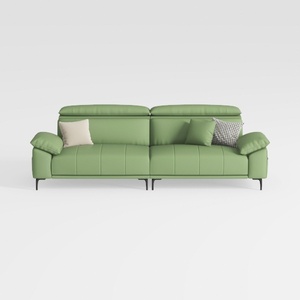
Modern Sage Green Leather Sofa With Decorative Throw Pillows 3D Model

Modern Pastel Green Solid Wood Double Tier Coffee Table 3D Model
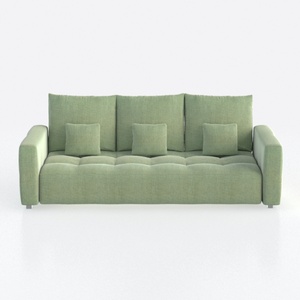
Minimalist Green Fabric Tufted Three Seat Sofa 3D Model
Looking to transform your space? Homestyler is an exceptional online platform for home design that offers an intuitive design tool, stunning 3D renderings, and a wealth of design projects. Plus, with DIY video tutorials, you're never far from inspiration. Start your design journey today!
지금 무료로 디자인하세요
































