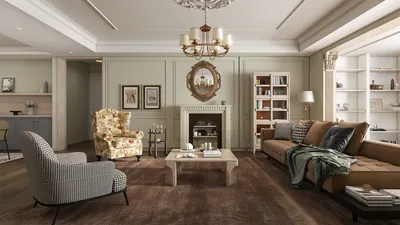


The ceiling in a drawing room significantly influences the ambiance of the entire area. It plays a vital role in managing light, sound, and the feeling of space. My goal is to design ceilings that merge aesthetic appeal with functionality: they should appear effortless, enhance comfort, and enrich the way individuals socialize, read, entertain, and unwind. Incorporating tools like Homestyler can greatly assist in visualizing such spaces.
The quality of lighting is the primary factor to consider. The Illuminating Engineering Society recommends ambient light levels of 100–300 lux for living areas, increasing to 300–500 lux in zones designated for reading or hobbies. Additionally, the WELL v2 standards stress the importance of minimizing glare, ensuring effective color rendering, and supporting circadian-friendly lighting patterns. A thoughtfully designed ceiling layout that integrates indirect ambient light along with focused accent lighting fosters a uniform illumination level, avoiding harsh shadows and ensuring visual comfort during extended social interactions.
Layout is influenced by user behavior. Research from Steelcase shows that diverse seating options and varying light zones within social settings increase engagement. In a drawing room, this translates into nuanced lighting combined with sound-absorbing features. I often implement dimmable circuits, favor warm-to-neutral color temperatures ranging from 2700 to 3500K, and soft acoustic-enhancing ceiling designs to facilitate conversation and mitigate fatigue.
Understanding the Ceiling’s Function in the Drawing Room
The ceiling should harmonize the room’s architecture, lighting, and acoustic elements. It can be designed to visually elevate or lower the space, evenly distribute light, conceal technology, and elegantly frame seating arrangements. For multifaceted activities—like hosting tea or indulging in quiet reading—the articulation of the ceiling can help transition the atmosphere without necessitating furniture rearrangement.
Contemporary Minimalist Ceilings
In modern-design spaces, I often opt for sleek gypsum finishes with sharp shadow gaps at the edges. A recessed cove with indirect LED strips generates a gentle ambient light, effectively eliminating harsh hotspots. A minimalist ceiling design enables artworks, textiles, and occupants to shine in the spotlight. Such ceilings are well-complemented by fixtures with over 90 CRI to maintain the natural appearance of skin tones and materials.
Layered Coffered Ceilings with Embedded Lighting
Coffered ceilings introduce a sense of rhythm and proportion. I scale the coffers to reflect the dimensions of the furniture, typically about 1.2 to 1.5 times the size of the main seating. This thoughtful grid design feels purposeful. The beams are fitted with hidden linear LEDs that emit indirect light, while adjustable spotlights underscore artworks. This arrangement maintains a comfortable average illumination level of 150–300 lux, with the flexibility to increase to 500 lux over reading chairs as needed. Consulting the IES for lighting standards and glare management is invaluable, alongside the WELL v2 criteria for quality lighting.
Historic Mouldings and Plaster Details
For older homes, features like ceiling roses, crown mouldings, or intricate beadwork can encapsulate the era’s design. I prefer to keep embellishments minimal and focus on creating a lighting story: a dramatic central chandelier, wall washers to illuminate vertical surfaces, and small pinpoint lights to accentuate glass or metal details. In this way, the ceiling can serve as a lighting rig, allowing various light levels to interact without visual distraction.
Wooden Slat Ceilings Offer Warmth and Acoustic Benefits
Timber slats naturally reduce sound reverberation, infuse warmth, and establish a focal conversation area. Using 2–3 inch modules with integrated black acoustic backings aids in absorbing mid-and-high-range frequencies, promoting clearer speech. Frequently, I opt for a floating slatted feature above the main seating area, ensuring that surrounding areas remain visually open to prevent heaviness. This floating element is an ideal location for adjustable downlights and hidden ambient lighting strips.
Shaping Movement with Curved or Dropped Ceilings
Subtle curves or deliberate height adjustments can alter how individuals perceive space, guiding their movement and social interactions. I may create a drop above the primary seating area, tapering it toward windows to draw in natural light. This design aids in maintaining a clean skyline while flattering silhouettes. Using matte finishes can help to mitigate glare, especially in spaces featuring glass or polished stone.
Eye-Catching Chandeliers and Unique Pendants
In cases where a ceiling requires a striking centerpiece, size becomes crucial. Select fixtures that occupy roughly 0.6 to 0.8 times the diameter of the main seating area, ensuring that the lowest point does not obstruct sightlines. Pair these with dim-to-warm LEDs in the range of 2700–3000K for evening gatherings to foster intimacy while maintaining color accuracy.
Indirect Lighting Solutions: Coves and Perimeter Lighting
Perimeter coves effectively lighten walls and elevate the ceiling visual, enhancing the sense of space and reducing dependence on potentially glaring downlights. I recommend shallow coves with 45-degree baffles for uniform wall washes. Additionally, discreet accent lights on art pieces and shelves create depth without over-saturating the space.
The Psychology of Ceiling Colors
The color chosen for the ceiling subtly influences the mood of a room. Light warm neutrals cultivate a friendly atmosphere, while softened mid-tones of blue-green promote calmness without chill. The insights from Verywell Mind on color psychology correspond with my observations—warmer shades evoke welcoming vibes, while cooler hues sharpen focus. I ensure to keep lighter shades below a 50% reflectance to prevent glare and maintain comfortable downlighting.
Sustainability and Material Choices
Opt for low-VOC paints, FSC-certified timber, and gypsum featuring recycled materials. Utilizing natural or matte finishes curtails visual clutter. Where budgets allow, integrating acoustic panels with textile wraps can enhance aesthetics; these can be color-matched to ceilings or styled as geometric accents. Prioritizing embodied carbon and durability minimizes maintenance while ensuring air quality.
Achieving Acoustic Comfort Without Sacrifice
A drawing room thrives on communication. I strive to achieve a reverberation time ranging from 0.5 to 0.7 seconds, appropriate for residential living areas, through strategic combinations of soft furnishings and targeted ceiling absorption. Elements such as wood slats, micro-perforated panels, or biosourced acoustic materials concealed above gypsum can manage unwanted sound without altering the overall design aesthetic.
Rhythm, Proportion, and Aesthetic Balance
Ceiling features need to be visually proportionate to the room's dimensions. Establishing a strong central line that aligns with the seating arrangement helps sustain symmetry. In cases of asymmetrical architecture, offsetting the ceiling design while using lighting strategically can re-center the visual composition. Repeating patterns, whether through coffers or slats, generates rhythm, while a singular standout piece—a sculptural pendant or colored panel—introduces character.
Blending Natural Daylight with Artificial Light
Ensuring that artificial lighting corresponds with natural daylight is crucial. In areas where windows permit cooler daylight, setting ambient LEDs at 3000-3500K fosters coherence. Employing shielding angles, wall washing techniques, and matte finishes can mitigate reflective glare. In the evening, adjusting to 2700-3000K creates an inviting atmosphere conducive to relaxation and social warmth.
Smart Undercover: Innovative Integration
The ideal ceiling cleverly hides technology such as wiring, speakers, sensors, and retractable shades, all while enhancing comfort levels. I establish distinct dimming circuits for atmospheric, task, and decorative lighting layers. Incorporating a home assistant is effortless if microphones are kept away from hard reflective surfaces, utilizing ceiling acoustic treatments to enhance voice clarity.
Strategizing the Layout
Begin with furniture arrangements and sightlines, subsequently aligning ceiling features to reinforce group gathering areas. When evaluating possibilities, employing room layout tools like Homestyler can effectively simulate seating layouts, pathways, and lighting distribution. Perfecting ceiling rhythm is more manageable when the foundational plan is well-considered.
Ideas for Ceiling Design
Warm, indirect lighting encourages conversation; incorporating a sculptural pendant also adds character. Ensure the CRI is above 90 to flatter skin tones.
Combine acoustic considerations with adjustable lighting to accommodate various social activities. Opt for matte finishes around the ceiling to prevent glare.
Clean lines, integrated linear accents, and discreet wall washes highlight art effectively—perfect for modern designs.
Measured geometry paired with ambient lighting creates an inviting glow. Employ narrow-beam lights on shelves for added sparkle.
Direct flow and sightlines towards windows or a fireplace while adding perimeter washes to elevate the overall ambiance.
Maintenance and Longevity
Select fixtures that are easy to access for servicing along with finishes that can be conveniently spot-repaired. Maintain cleanliness on indirect elements to safeguard light quality. Timeless design paired with neutral shades will adapt well alongside evolving furniture and art styles.
Reliable References
Guidelines regarding lighting levels and visual comfort are upheld by IES standards and WELL v2 recommendations focusing on illumination quality. For insights about spatial behavior, workplace studies conducted by Steelcase can provide valuable parallels for social areas in residential settings.
Frequently Asked Questions
Q1: What lighting levels are optimal for a drawing room?
A1: Aim for an ambient light level of 100-300 lux, with targeted areas for reading or hobbies reaching 300-500 lux. Dimmers facilitate transitions between social and task modes, supported by IES recommendations for comfort.
Q2: Which color temperature is advisable?
A2: For evening use, ambient lighting should be set at 2700-3000K; during daylight hours, use 3000-3500K while keeping CRI above 90 for accurate color reproduction.
Q3: How can I reduce glare from downlights?
A3: Utilize indirect lighting methods like cove and wall washes; choose fixtures with appropriate shielding angles and specify matte ceiling paints. Position downlights away from primary visuals and close to vertical features.
Q4: Do wood slat ceilings improve acoustics?
A4: Absolutely. Using slats with acoustic backing effectively absorbs mid-to-high frequencies, enhancing speech clarity. A floating feature above the main seating area achieves this without overwhelming the visual space.
Q5: What type of ceiling design is suitable for smaller drawing rooms?
A5: Opt for minimal flush gypsum ceilings with perimeter cove lighting to create an illusion of added volume. Lighter warm neutrals are ideal, avoiding heavy structures or deep coffers.
Q6: How do I correctly size a chandelier?
A6: Select fixtures that measure approximately 0.6-0.8 times the diameter of the seating area, hung high enough to avoid obstructing sightlines. Complementary indirect perimeter lighting can help eliminate harsh shadows.
Q7: Is it possible to combine modern lighting with traditional mouldings?
A7: Certainly! Maintain a refined approach with mouldings, featuring a classic central piece while incorporating wall-washers and pinpoint lights. The lighting scheme should honor tradition but enhance functionality.
Q8: What ceiling materials promote a healthy environment?
A8: Utilize low-VOC paints, recycled gypsum, and FSC-certified wood. Favor matte finishes to minimize glare and acoustic panels that contribute to comfort without creating visual clutter.
Q9: How do I align ceiling designs with furniture arrangements?
A9: Prioritize resolving furniture configurations and pathways first, then align ceiling features with lighting to emphasize gathering spaces. Utilizing layout simulation tools like Homestyler can visualize these connections effectively before implementation.
Q10: Is it necessary for smart technology to be visible?
A10: Not at all. Conceal wiring, drivers, speakers, and sensors within accessible spaces. Implementing separate dimming circuits for different lighting layers keeps control intuitive while ensuring functionality.


Minimalist Solid Oak Round Side Table Set 3D Model
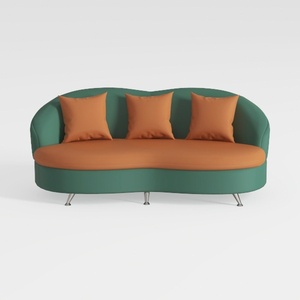
Modern Two Tone Fabric Curved Sofa With Throw Pillows 3D Model

Homestyler is your go-to online home design platform! With its user-friendly design tool, stunning 3D renderings, and vast selection of design projects and DIY video tutorials, you can effortlessly create your dream space. Start designing today and bring your ideas to life!
Desain sekarang Gratis
































