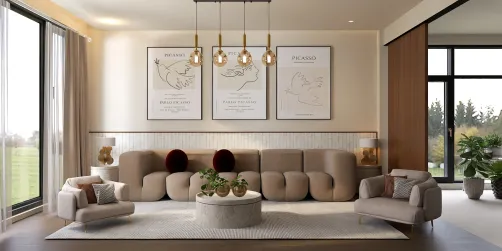
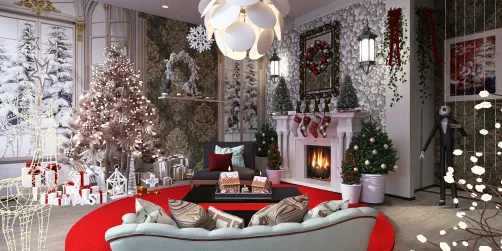
Dining rooms signify the emotional core of a residence—where daily habits intertwine with special moments. By utilizing principles from Vastu Shastra as a spatial framework and integrating contemporary research on lighting and ergonomics, one can craft spaces that promote layout, comfort, and overall well-being. A thoughtfully designed dining area can significantly impact behavior: research from Herman Miller indicates that supportive environments enhance perceived well-being, while studies by Gensler highlight that user-centered design correlates with better satisfaction and productivity, showcasing the importance of a well-conceived dining space in promoting connection and rejuvenation.
The positioning of your dining room is crucial. Traditional Vastu recommendations suggest situating the dining space in the west or south, allowing the kitchen to be nearby for seamless meal service. This arrangement minimizes traffic disruption and enhances the hosting experience. For optimal lighting, aim for about 300–500 lux at the table during meals, while using shielded pendants to manage glare; the Illuminating Engineering Society (IES) advises maintaining appropriate illuminance levels and minimizing glare for visual comfort. Warm color temperatures around 2700–3000K generally foster a friendly ambiance for dining, aligning with findings from Verywell Mind that associate warmer shades with feelings of comfort and sociability.
Understanding Vastu Orientation and Layout Essentials
Positioning the dining room in the west or south stabilizes everyday routines, while a southeast or southern kitchen setup maintains temperature balance and efficient flow. Keeping the entrance to the dining area unobstructed and avoiding direct sightlines from the main door can reduce energetic distractions and drafts. For compact spaces, utilizing a layout tool can help assess seating capacity, pathways, and clearances before finalizing your design.
Choosing Table Shape, Seating Arrangement, and Spacing
Opt for round or rectangular tables, as both align with Vastu principles; the selection usually depends on room traffic dynamics: round tables foster inclusivity, while rectangular tables are better in confined spaces. Ensure a clearance of 36–44 inches around the table for easy chair movement and comfortable circulation; this buffer is essential for facilitating smooth transitions. An even seat count symbolizes harmony, with the host ideally positioned to face east or north in alignment with Vastu’s energy flow.
Optimizing Lighting: Combining Layers, Temperature, and Glare Reduction
Incorporate ambient, task, and accent lighting together. Use ambient fixtures or indirect lighting to avoid shadows; task pendants should be placed 28–34 inches above the table to maintain clear sightlines. For dining, aim for approximately 300–500 lux, transitioning to 150–300 lux for relaxed post-meal conversations, and dim lights to prevent excessive reflections. Utilize warm LEDs in the 2700–3000K range to enhance appetite and foster social warmth. It's essential to use high CRI (90+) bulbs to keep food colors vibrant, and consider fabric shades or prismatic diffusers to soften harsh light.
Understanding Color Psychology and Material Harmony
Incorporate muted earth tones—such as terracotta, warm beige, and sage—to resonate with Vastu’s calming palette, supported by color psychology that promotes comfort and approachability. To encourage conversation, integrate one vibrant accent color (like mustard, rust, or deep teal) without causing visual chaos. Embrace natural materials—solid wood, rattan, and breathable fabrics—to ground the space, and opt for matte finishes to mitigate glare. If your dining area connects to a living space, harmonize one color and one texture across both zones for visual cohesion and rhythm.
Ensuring Flow, Entry Points, and Strategic Furniture Placement
Avoid aligning doors directly through the dining room to prevent energetic tunneling. When faced with a strong axis, consider softening this with a sideboard, screen, or mid-height plant groupings. Position the sideboard along the west or south wall for efficient service, ensuring that often-used dinnerware remains easily accessible to minimize unnecessary movements. For smaller apartments, experimenting with diagonal table placements using an interior layout planner can significantly improve flow and sightlines.
Enhancing Acoustic Comfort
Dining areas can quickly become noisy if not managed properly. Incorporating soft chairs or upholstered pads, along with a low-pile rug beneath the table, can help alleviate sound. Additionally, utilizing acoustic wall art or fabric panels on at least one wall is beneficial. Aim for mid-frequency absorption while avoiding a muffled atmosphere; a well-balanced acoustic profile enhances conversations and reduces fatigue.
Ventilation, Aroma, and Temperature Control
Incorporating Vastu principles, prioritize gentle airflow from the east or north. Effective cross-ventilation can eliminate lingering kitchen smells and maintain a pleasant dining atmosphere. Ensure the dining room is slightly cooler than the kitchen; ceiling fans on a low setting or a subtle ducted supply can assist. Avoid placing the table beneath strong down-drafts or directly under an air conditioning unit to prevent discomfort from drafts.
Emphasizing Storage, Dining Rituals, and Lighting Practices
Place elements like water features or calming decor in the northeast region to support clarity, as suggested by Vastu. Store dining accessories in a sideboard on the south or west for convenience. Establish a lighting routine: bright for initial serving, then transitioning to dimmed and warm during meals, and finally soft accent lighting for after-dinner relaxation. These ritualized transitions positively influence behavior and signal a room's varying purpose throughout the evening.
Commitment to Sustainability and Maintenance
Prioritize materials like FSC-certified wood, low-VOC finishes, and resilient textiles. I recommend opting for washable slipcovers and treatments that resist stains to streamline maintenance. Employ LED dimmer bulbs to conserve energy and eliminate future glare challenges; always check compatibility with the driver to avoid flickering.
Solutions for Small and Unconventional Spaces
In smaller layouts, consider a round extendable table for versatility. Wall-mounted bench seating can maximize space while offering hidden storage underneath. A mirrored panel on the north or east wall can enhance light without producing harsh reflections; avoid placing mirrors directly opposite the main entrance. Establish visual anchors—like a pendant centered above the table or a rug appropriately sized to encompass the table and chairs—to create a cohesive and focused dining environment.
Vastu-Aligned Dining Room Decision-Making Checklist
Common Questions and Answers
Positioning the dining room in the west or south is preferred, with the kitchen conveniently located nearby (often in the southeast or south). This setup stabilizes the daily routine and optimizes service efficiency.
In Vastu, facing east or north is ideal. I position the host accordingly and align the pendant, ensuring the table feels centered and balanced.
Aim for approximately 300–500 lux at the table for meals, then reduce to 150–300 lux for post-meal discussions. Utilizing warm light (2700–3000K) and high CRI lamps maintains natural food colors.
Both table shapes have their advantages. Round tables encourage equal participation and fit well in square rooms, while rectangular tables are better suited for narrow spaces, offering clear views for service.
To improve acoustics, consider adding a rug under the table, using upholstered chairs, and treating one wall acoustically. Soft surfaces absorb mid-frequency sounds, facilitating comfortable conversations.
Employ warm earth tones accented with a single restrained color. Color psychology links warm shades with comfort and bonding, aligning well with Vastu's grounding elements.
Yes, positioning mirrors on the north or east wall enhances light. However, avoid mirrors directly facing the main entrance or creating distracting glare on the table.
Keeping dining spaces adjacent is recommended for workflow efficiency. Short service paths minimize spills and thermal transfer, supporting Vastu's emphasis on streamlined circulation.
A clearance of 36–44 inches around the table is typically suitable for chair movement and comfortable circulation.
Select a compact round extendable table, consider wall benches with storage, and anchor the layout with a properly centered pendant light and appropriately sized rug.
Utilizing dimmers is highly advised. They facilitate a shift from task lighting to a more relaxed social atmosphere, reducing glare and enhancing evening routines.
Choose solid wood, matte finishes, washable fabrics, and low-VOC coatings. Aim for durable and low-maintenance surfaces that eschew high gloss for practical use.
Built on technology originally developed at Autodesk, Homestyler empowers anyone to design beautiful, realistic spaces in minutes. Join over 20+ million registered users (platform data, 2026) who have already discovered a smarter way to plan, visualize, and bring their dream homes to life — all from the comfort of a browser.

Mid Century Walnut Rattan Dining Armchair 3D Model

Mid Century Walnut Rattan Dining Chair 3D Model
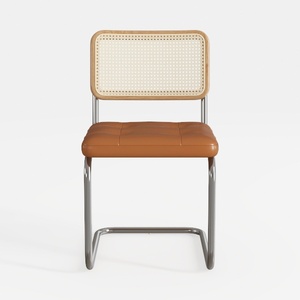
Modern Rattan Leather Upholstered Metal Cantilever Dining Chair 3D Model
Looking to transform your space effortlessly? Try Homestyler! This user-friendly online design platform offers powerful 3D rendering tools, a variety of design projects, and inspiring DIY video tutorials. It's perfect for anyone ready to bring their home design dreams to life—get started today!
Progetta ora GRATIS






![Design [4]](https://hs-designs.homestyler.com/production/design/images/07c2de3a-88ec-4be8-8910-ff255b795bc2/1731419398293/7841697.jpg?x-oss-process=image/resize,w_502,m_mfit/format,webp)