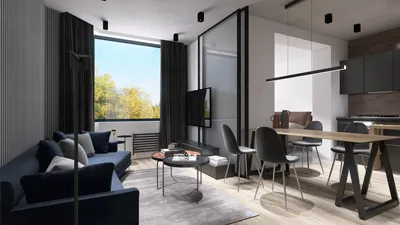


I once worked with a client who envisioned their dining area inspired by a Parisian bistro, but with considerations for children. As we were about to install a plate rail at knee level, I realized mid-action that decorative details hold significant power; in moderation, they can dramatically change a space. This experience illustrated that incorporating wall molding into a dining room is one of the most efficient methods to infuse personality without exceeding the budget.
1. Timeless Chair Rail with Picture Frame Panels
I enjoy combining a simple chair rail with picture frame panels below — it not only visually organizes the wall but also protects the paint from chair backs. This method provides clean proportions and customization options: using a darker paint for the panels adds a dramatic flair or matches it to the trim for a subtle effect. However, getting the spacing right can be tricky, so I often use painter’s tape to mock it up beforehand.
save pin
2. Full Wall Wainscoting for Formal Elegance
Craving an atmosphere of old-world elegance? Full wall wainscoting (up to 3/4 wall height) serves as a solid anchor for the dining table and gives an impression of luxury. It conceals scuffs while serving as a strong base for artwork or a stunning light fixture. The trade-off is that it can be more expensive and time-consuming to install, but for those who frequently host gatherings, it’s a worthwhile investment.
save pin
3. Contemporary Linear Molding for Modern Spaces
In modern or Scandinavian-inspired dining rooms, I opt for thin, horizontal moldings arranged in a grid or linear patterns — this approach adds dimension without clutter. The benefit lies in creating a sleek, contemporary atmosphere; however, precise alignment is crucial, making it essential to work with an experienced installer. To visualize layouts more easily, I often utilize room planning software, like Homestyler, to experiment with scale and placement.
save pin
4. Ornamental Crown and Chair Rail Duo
If ceiling height permits, merging modest crown molding with a chair rail beautifully frames the room and enhances even the simplest furniture. I once successfully visually elevated a low ceiling using a taller-profile crown made from lightweight materials paired with a slim chair rail — the room felt cozier and more open. It's important to consider proportions; overly large profiles can dominate smaller dining areas.
save pin
5. Blending Materials: Wood Strips and Painted Insets
Combining slender wood slats with painted insets adds both texture and warmth, ideal for eclectic or rustic dining settings. Recently, I used reclaimed wood slats above a painted dado in a remodel, creating a tactile richness that remained budget-friendly. Just ensure the wood finish complements the paint — on-site samples are vital to avoid regrets.
save pin
Tips 1:
For a practical budget option, consider MDF or PVC moldings, which achieve the desired aesthetic at lower costs and are ready for paint. In high-traffic dining areas, a satin finish can make for easier cleaning. If you're looking to visualize various layouts and molding styles, using a 3D floor planner like Homestyler can quickly help you explore options.
save pin
FAQ
Q: What is the ideal height for a chair rail in a dining room?
A: A general guideline suggests placing it 32–36 inches from the floor, but it’s best to measure your chairs and test with tape to ensure comfort and proportions are right over strict rules.
Q: Can I install wall molding myself?
A: Basic profiles like chair rails are manageable for DIY enthusiasts with a miter saw and level. However, intricate panels or crown molding often benefit from professional installation for seamless finishes.
Q: What material is most suitable for dining room molding?
A: MDF offers a cost-effective and paintable option, wood brings a warm traditional touch, and PVC is ideal for humid environments. Your choice should depend on budget and design preferences.
Q: Should I paint the molding the same color as the walls?
A: Painting molding the same shade as the walls creates a seamless, modern aesthetic, whereas contrasting trim emphasizes detail and offers a more formal appearance. Choose based on the atmosphere you wish to cultivate.
Q: How much should I budget for professional wainscoting?
A: Pricing varies based on location and materials, but expect to pay considerably more than for basic chair rails. Gather contractor quotes and account for painting and preparation costs.
Q: Does molding make a small dining room feel cramped?
A: If kept slim with lighter colors, molding can add depth without being overwhelming. I often use horizontal elements to create the illusion of a wider space.
Q: Is there a trusted resource for trim proportions?
A: The National Kitchen & Bath Association (NKBA) provides excellent guidelines pertaining to scale and proportion for millwork and trim (https://www.nkba.org).
Q: Can molding effectively conceal uneven walls?
A: Absolutely — panels and rails can effectively mask minor irregularities, but for significant discrepancies, it’s best to address those before installation to achieve clean joints.
save pin
Homestyler is an exceptional online home design platform that empowers you to create stunning spaces effortlessly. With its user-friendly design tool, impressive 3D renderings, diverse design projects, and helpful video tutorials, you can unleash your creativity and transform your home like a pro!
Projete agora para LIVRE
































