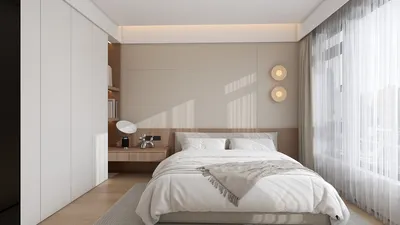


Transforming a 2D image into a 3D Minecraft model is an exciting journey that combines creativity with technical skills. To begin, you will need a high-quality image—be it a logo, character, or any artwork you aspire to recreate in Minecraft. A popular method to achieve this involves converting the image to pixel art and then constructing it layer by layer, either manually or by utilizing specialized resources like Homestyler.
Select your image and reduce its size to achieve your desired resolution, keeping in mind that Minecraft blocks are large and have a limited color palette. The next step is to pixelate the image, effectively mapping each segment of the image to the corresponding colored blocks available in the game. Many players opt for online platforms like Spritecraft, MineRender, or even Homestyler to streamline this task. These resources analyze the image, create a block map, and sometimes even allow for the export of a schematic file, facilitating easy imports through mods such as WorldEdit.
If your goal is to create a genuine 3D effect, rather than just flat pixel art, interpreting the image's depth and contours is essential. Tools like Chunky or advanced 3D modeling software (such as Blender with Minecraft plugins) enable you to make intricate and volumetric models. These models can be exported as .schematic files and integrated into your Minecraft world using mods. Thoughtful selection of colors and blocks is crucial for maintaining authenticity and visibility, especially since Minecraft has a limited color selection.
As a designer, I frequently tackle these projects akin to developing a scaled architectural model—first analyzing the visual components, then deconstructing them into layers and blocks for clarity and optimal alignment with Minecraft's resources. Utilizing image-to-model transformation not only boosts efficiency but also aids in rapid prototyping, particularly with powerful digital tools. If you aim to enhance your Minecraft designs and achieve professional-level visualizations, considering options like 3D rendering for home models through Homestyler can significantly accelerate and elevate your design process.
Tips 1:
Always utilize a preview tool that displays block mapping before importing your 3D Minecraft model into the game. This practice aids in identifying color discrepancies and awkward proportions, ultimately saving time on revisions later on.
FAQ
Q: What tools are ideal for converting images into Minecraft models?
A: Spritecraft, MineRender, and Blender (with Minecraft plugins) are some favored options for automating the transition from images to block arrangements, and even more sophisticated 3D forms.
Q: Is it possible to create a 3D Minecraft model without leveraging any external tools?
A: Certainly! You can build manually using a pixelated image as a reference, though external tools enhance efficiency and precision significantly.
Q: Are mods necessary for importing 3D models into Minecraft?
A: Mods such as WorldEdit are typically required to import .schematic files or to paste intricate structures directly into your world.
Q: Which image formats work with Minecraft modeling tools?
A: Most tools readily accept standard image formats like .png or .jpg, which can be easily converted and adjusted for Minecraft construction.
Q: Can realistic architectural models derived from photos be constructed in Minecraft?
A: Absolutely! Advanced digital platforms, including Homestyler, offer 3D rendering options for home models, allowing for visualization and refinement of architectural concepts based on real images.
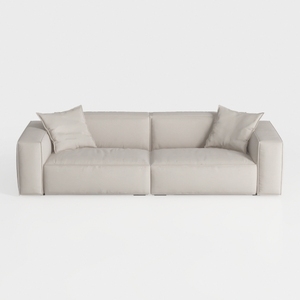
Minimalist Beige Fabric Modern Sofa with Throw Pillows 3D Model
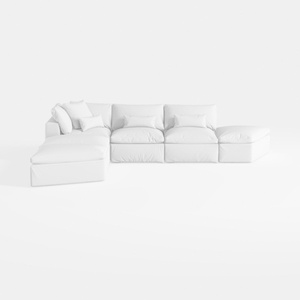

Minimalist White Fabric L Shaped Sectional Sofa 3D Model

Modern Dark Green Glass Door Display Cabinet Bookshelf 3D Model
Homestyler is an outstanding online platform for anyone looking to create their dream space. With its user-friendly design tool, impressive 3D rendering, and a wealth of inspiring design projects and video tutorials, you can easily turn your home design ideas into reality, no matter your experience level!
Design Now for FREE
































