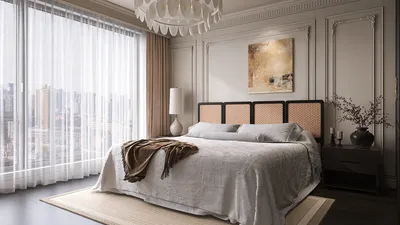


Having designed numerous bedrooms featuring a core furniture ensemble, I find that collections from Damro serve as an excellent foundation: they offer consistent dimensions, durable finishes, and prices that are budget-friendly. A wise approach is to utilize the bed, wardrobe, dresser, and bedside tables as the mainstays of your space, subsequently adjusting elements such as layout, lighting, color, and sound aesthetics to fit your lifestyle. When executed correctly, this setup transitions into a serene, functional sanctuary rather than mere coordinated decor.
Measuring comfort is crucial. The WELL v2 standard emphasizes that the quality of sleep is deeply affected by light exposure, recommending a warm light range of 2700–3000K for winding down in the evenings while advising on limiting blue light exposure during nighttime. Studies from Steelcase indicate that environments designed to support rejuvenation can alleviate stress and enhance cognitive abilities the following day, highlighting the influence of bedroom design on daily productivity. With these criteria in mind, I configure a Damro bedroom that emphasizes style alongside circadian-friendly lighting and seamless functionality.
Lighting must be functional. According to the Illuminating Engineering Society, ambient light in the bedroom should aim for 100–150 lux, with reading lights positioned at 300–500 lux to minimize glare and avoid stark contrasts. This suggests combining a warm, dim ceiling fixture with focused bedside lamps placed slightly behind where you read. I also include a low-level night lighting option—under-bed or toe-kick LEDs set to 1–5 lux—to ensure safe navigation while preserving melatonin levels.
Strategizing the Layout Around the Bed
The bed serves as the central guiding element. Position the headboard mid-way across the longest uninterrupted wall; ensure a clear passage of 24–30 inches on both sides for ease of movement. In smaller spaces, consider placing the bed away from walls to keep wardrobe doors functional and maintain a clear line of sight from the doorway. When needing to experiment with various layouts, I leverage a room layout tool to visualize clearances, door movements, and natural light flows to simulate everyday activities—entering, storing, dressing, and relaxing.
Wardrobe and Dresser Placement for Everyday Use
It’s best to position wardrobes against a wall that receives minimal daylight glare to enhance visibility within the closet. Aim for 39–42 inches of clearance in front of wardrobe doors for dressing and suitcase organization. For sliding doors, this can be adjusted to about 30–36 inches without sacrificing usability. Set the dresser in a spot where natural light aids in color matching clothing, but avoid direct sunlight on darker finishes to prevent heat accumulation and discoloration.
Lighting Layers: Ambient, Task, and Accent
I initiate designs with a warm ambient light on dimmers (2700K) to create the right atmosphere, followed by bedside task lamps equipped with forward-throw shades providing light in the 300–500 lux range for reading. Accent lighting, such as a sconce over the headboard or LED strips inside wardrobe spaces, adds visual interest and supports daily routines. To tackle glare concerns, I recommend employing matte diffusers and indirect uplighting. As evening approaches, I adjust the scene to produce no more than 150 lux ambient light and lower color temperature, ensuring alignment with our natural wind-down cycle. The IES standards keep my glare and contrast in check, while WELL’s recommendations push me to reduce late-night blue light exposure.
Color Psychology That Promotes Sleep
Cool, understated colors—soft blues, sage greens, gentle taupes—help reduce arousal and harmonize beautifully with Damro’s wood finishes. Research from Verywell Mind highlights that blue tones promote calmness and stability; I particularly favor a mid-tone blue-gray for the headboard wall, complemented by natural textures for enhanced coziness. Preserve vibrant colors (like bright reds or intense yellows) for smaller decorative items—art pieces, cushions—so they don’t energize the room when it’s time to rest.
Human Factors: Handles, Heights, and Reach
Bedside tables should ideally match the height of the mattress for effortless access. Drawer pulls on dressers function best at heights between 28–44 inches to avoid uncomfortable bending. For shared spaces, it's wise to provide distinct surfaces and lamps on either side to minimize cross-reach. I set mirrors to reflect around 60 inches from the floor for average eye levels, ensuring that frequently accessed drawers are placed at knee to elbow height for fluid mobility and comfort.
Acoustic Comfort and Material Choices
Bedrooms benefit from soft, sound-dampening materials—think woven rugs, padded headboards, and lined curtains. Solid-core doors block out hallway noise, while a rug placed beneath the bed absorbs footstep sounds and adds a sense of warmth. If the room faces high traffic areas, consider layering sheer and blackout curtains, along with a fabric-wrapped panel behind the headboard to soften echoes. Utilizing quiet hardware—like soft-close drawers and well-sealed doors—creates an often-overlooked element of tranquility.
Storage Solutions That Maximize Space
Make the most of vertical space: install shallow shelves above the dresser for books and decor, utilize labeled boxes in the top wardrobe section, and keep under-bed drawers for off-season clothing. My preferred method is a simple zoning plan: allocate the left side for daily wear, the right for occasional items, and use the dresser for neatly folded essentials. Avoid deep corner units unless the room layout can accommodate door swings and clearances; an open, straight run is easier to maintain.
Managing Daylight for Improved Sleep Hygiene
Position the bed so morning light gently streams in without directly hitting your eyes—the ideal approach for early risers. Implement dual-layer window treatments—sheer for daytime privacy and blackout for nighttime darkness—to balance light levels. Safeguard your sleep environment: dim the lights an hour before bedtime, keep electronic devices out of sight, and maintain a consistent temperature between 60–67°F for optimal comfort.
Achieving Style Harmony with Damro Finishes
The walnut and wenge finishes from Damro blend beautifully with textured linens like herringbone, washed cotton, or linen blends. If the wardrobe features a darker finish, brighten the palette with lighter walls and a pastel rug. Metal accents (such as brushed brass or matte black) should occur in triplicate—on a lamp, a frame, and a pull—for a cohesive yet intentional look without overwhelming the natural wood grain.
Smart Solutions for Small Rooms
Choose the bed size wisely: a queen often outperforms a king regarding space. Use wall-mounted bedside shelves to keep floor space clear. Opt for sliding wardrobe doors to circumvent swing issues. Mirror panels can create the illusion of added space but should be positioned away from the bed’s direct line of sight if reflections feel overly busy at night. When trying to optimize tight spaces, I utilize an interior layout planner to test layout options, ensuring reach zones and lighting angles are both practical and effective.
Tech Features That Maintain Subtlety
Set up a single power hub under the bedside table with organized cable management to maintain clean sight lines. Introducing a motion sensor for the low-level night light facilitates hands-free use. If smart bulbs are in play, program evening settings to warm-dim options, and relocate charging stations away from the bed to reduce disruptive light and unhealthy habits.
Ensuring Maintenance for Longevity
Safeguard finishes using breathable coasters and place felt pads underneath lamps. Regularly rotate the mattress in accordance with the manufacturer’s recommendations and keep the interiors of wardrobes well-ventilated. Implement a quarterly reset: declutter belongings, refresh linens, and adjust light settings with seasonal changes. Sustainable practices—gentle cleaners, spot repairs, and long-lasting LEDs—ensure that everything maintains a fresh appearance without frequent replacements.
- Align the bed to the longest wall and center the headboard to stabilize the composition.
- Layer light at three levels: ceiling ambient, bedside task, and wardrobe accent.
- Position the dresser where daylight assists in color matching, taking care to shield finishes from direct sunlight.
- Incorporate soft materials to mitigate sound and enhance tactile comfort.
- Maintain clear walkways of at least 24–30 inches around the bed and wardrobe fronts.
- Base the color palette on calm, cool tones and repeat metal accents for a cohesive aesthetic.
FAQ
Q1: What’s the optimal bedroom light level for reading without straining your eyes?
A: Aim for 300–500 lux at the reading level with bedside lamps featuring focused shades, while keeping ambient light around 100–150 lux to manage contrast according to IES recommendations.
Q2: Which color schemes work best with a dark Damro wardrobe?
A: Soft blues, gray-greens, and warm neutrals balance the darker woods. Use lighter walls and a soft rug to brighten the room, while keeping accent colors muted to facilitate sleep.
Q3: How much clearance should I leave in front of my wardrobe doors?
A: Allow for 39–42 inches in front of hinged doors for comfortable dressing; for sliding doors, aim for 30–36 inches. Proper clearance ensures fluid movement and prevents collisions.
Q4: How can I minimize glare during nighttime?
A: Switch to warm-dim lighting (around 2700K), use diffusers, and add indirect uplighting. Position screens away from direct sightlines and incorporate low-level pathway lights at 1–5 lux.
Q5: What bed size is most appropriate for a smaller room?
A: A queen size often provides a good balance between sleeping space and circulation. Make sure to allocate 24–30 inches of walkway on both sides to maintain room functionality.
Q6: Where should the dresser be positioned for optimal light usage?
A: Near regulated daylight—close to a window but shielded from direct sunlight—to aid in color matching. Avoid strong reflections by utilizing sheer drapery to soften the incoming light.
Q7: How does acoustics affect bedroom comfort?
A: Incorporate soft surfaces—like padded headboards, rugs, and lined curtains—to absorb sound reflections. Solid-core doors and well-sealed frames help to muffle external noise.
Q8: What’s an effective method to plan layouts before moving furniture around?
A: Map out clearances and door swings, then test different arrangements with an interior design visualization tool to simulate daily activities and lighting angles prior to making any physical changes.
Q9: Do smart bulbs influence sleep quality?
A: Yes, when utilized wisely. Set warm-dim evening scenes and minimize blue light exposure at night, in alignment with WELL v2 recommendations for circadian support.
Q10: How can I keep cords from cluttering the bedside area?
A: Set a power hub with organized cable management under the table, discreetly mount chargers, and avoid visible cords crossing the floor to maintain clean aesthetics.
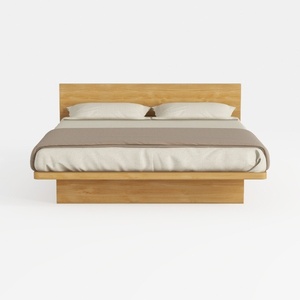
Vibe Gel Memory Foam Mattress, 12-Inch CertiPUR-US
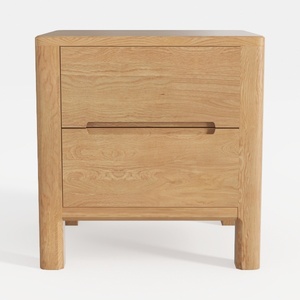
Minimalist Solid Oak Wood 2 Drawer Nightstand 3D Model

Minimalist Solid Oak Wood Platform Bed 3D Model
Homestyler is your go-to online home design platform, perfect for anyone looking to transform their space. With an easy-to-use design tool, stunning 3D renderings, a variety of design projects, and helpful DIY video tutorials, Homestyler makes your interior design dreams a reality, regardless of your experience level!
تصميم الآن مجانا
































