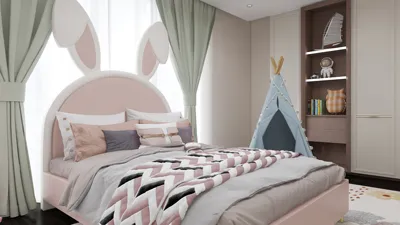


I can't help but chuckle when I think about a client who dreamed of her bedroom resembling the ocean at dawn—minus any beach-themed decorations. After creating a few quick 3D models, we settled on a calming blend of blue and gray hues that exuded sophistication. This experience reminded me that even little restrictions can ignite immense creativity. Thanks to the 3D mockups, we saved valuable time and avoided lengthy debates over pillow choices.
Compact spaces often lead to grand ideas. In this article, I present five real-life inspirations I've employed in bedrooms featuring blue and gray as the main stars, along with practical advice on materials, lighting, and budget-friendly modifications.
1. Layer Blues with Gentle Gray Foundations
I frequently initiate the design process with a soft dove gray on the walls and then introduce layers of blue through bedding, throws, and artwork. The gray anchors the room while various shades of blue—dusty, steel, and navy—infuse depth and tranquility. A key challenge lies in the tonal balance; I recommend applying sample swatches to the wall at various times of the day to achieve a cohesive look without any stark contrasts.
save pin
2. Cozy Metals with Textured Grays
Gray can radiate warmth too. I enjoy incorporating brass or warm bronze lighting and a textured rug to create a cozy contrast against blue linens. Opting for textured gray wallpapers or plaster finishes can introduce a tactile element, though these may be pricier—consider reserving them for an accent wall to manage costs.
save pin
3. Navy Feature Wall with Light Gray Accents
For a striking yet calming ambiance, a navy accent wall behind the bed is effective; complement it with light gray dressers and white trim. This bold approach enhances the space without making it feel cramped, provided you keep the bedding and curtains light. When organizing your furniture layout, use free design tools or mockups to ensure that the navy backdrop complements key visual points—often, I utilize these tools to assess sightlines and flow.
save pin
4. Delicate Patterns and Blue-Grey Florals
Incorporating delicate patterns—such as a gray ikat throw or a blue-gray geometric rug—adds character without overwhelming the space. In compact bedrooms, I steer clear of large prints to maintain a sense of calmness; instead, I layer smaller patterns with solid elements. Cleaning patterned fabrics in cool water is vital to keep colors vibrant over time.
save pin
5. Lighting That Enhances Blue Shades
Under bright daylight bulbs, blue can appear cold; thus, I always advocate for warm LED dimmers and a layered lighting strategy—bedside lamps, gentle ceiling fixtures, and subtle sconces work wonders. If you're looking to experiment quickly, utilizing design tools powered by AI can help you visualize how lighting alters color temperature throughout the day before committing to any fixtures. These intelligent designs convinced a client to switch a single pendant, instantly making the room feel warmer and cozier.
save pin
FAQ
Q1: What shades of blue complement gray effectively?
I typically favor muted blues—like slate, steel, and dusty navy—paired with light to mid-tone grays. These combinations create a soothing atmosphere without excessive contrast.
Q2: Is a blue and gray color scheme suitable for small bedrooms?
Absolutely. Utilize light grays on the walls and introduce deeper blues through textiles or on one accent wall to foster depth while maintaining an airy feeling in the room.
Q3: Should trim work be white with blue and gray walls?
Generally, yes. Crisp white trim brightens the overall palette and ensures clear outlines, which is particularly beneficial in smaller spaces.
Q4: How can I prevent a blue-gray bedroom from feeling chilly?
Incorporate warm metals, wooden accents, and layered lighting solutions. Textured rugs and throws also enhance comfort and warmth in the color scheme.
Q5: Can navy and pastel blue be combined?
Combining works if you utilize a neutral anchor—such as mid-gray—and consistently incorporate one accent color across cushions or artwork to unify the design.
Q6: What quick styling hacks are available for renters?
Consider using removable wallpaper featuring gray textures, changing out lampshades, and adding blue fabrics. These modifications involve minimal commitment but yield significant visual impact.
Q7: What paint finishes are most suitable for a bedroom?
Eggshell to satin finishes are ideal, offering sufficient durability for easy cleaning while remaining soft enough to avoid reflections. Testing samples on various walls is advisable.
Q8: Do experts recommend blue for bedrooms?
Indeed. Research by Sherwin-Williams indicates that blue is frequently chosen for bedroom designs due to its relaxing qualities and its ability to lower heart rates (refer to Sherwin-Williams’ color psychology insights at https://www.sherwin-williams.com/).
Homestyler is your go-to online home design platform! With its user-friendly design tool, stunning 3D renderings, and a wealth of DIY video tutorials, transforming your living space has never been easier. Bring your creative vision to life and explore endless design possibilities today!
Design Now for FREE
































