


An elegantly designed ceiling can profoundly influence the ambiance of a bedroom by modulating light and establishing visual focus. It frames the bed while creating a hierarchy of elements that does not overcrowd the space. In my experience, modifying ceilings can yield significant perceptual changes for minimal investment, particularly when lighting, color, and acoustics are considered a cohesive system. Research supports the positive effects of these comfort cues; for instance, the WELL v2 Light standards highlight that optimal lighting levels and glare management enhance circadian health and overall comfort, thus fostering a sense of well-being. Studies from Steelcase also show that the quality of lighting and acoustic control directly correlate with user satisfaction and focus on task performance.
The balance of proportions is equally essential as comfort in a bedroom design. According to the Illuminating Engineering Society, ideal ambient lighting for bedrooms should be maintained between 150 to 300 lux, increasing up to 300 to 500 lux for tasks near the bedside or dresser. Additionally, the selection of colors plays a significant role; a review from Verywell Mind shows that shades like soft blues and muted greens promote calmness, lowering heart rates and facilitating relaxation, making them excellent choices for spaces viewed before sleep.
Understanding Room Dimensions: Height, Span, and Structure
Before you begin sketching designs, it’s crucial to identify any constraints such as ceiling height, joist orientation, mechanical systems, and window placement. Low ceilings (≤ 8 ft / 2.44 m) benefit from simple designs and subtle reveals, while taller ceilings allow for more elaborate features such as coffered or tray styles that won’t feel top-heavy. For challenging furniture layouts or bed-to-window scenarios, creating a minimalist ceiling zone can help unify the space; for instance, using a shallow soffit above the headboard can visually connect nightstands, pendant lights, and curtains. If you are experimenting with different bed-wall configurations, consider utilizing a room layout tool to visualize bed placement and lighting effects, potentially enhanced by tools like Homestyler.
Subtle Planes with Elegant Details
When dealing with lower ceilings, I typically recommend a sleek gypsum ceiling featuring a 10 to 15 mm shadow reveal around the edges. This design creates a floating appearance without lowering the overall room height. A dimmable cove light (2700–3000K) placed on the wall opposite the windows creates a soft glow across the ceiling at night, ideal for relaxation. Position downlights away from the bed's centerline to avoid glare; instead, opt for a couple of smaller, adjustable fixtures near the closet or dresser. A matte finish (sheen ≤ 10) can help minimize glare while enhancing visibility.
Effective Tray Ceilings
Tray ceilings work best when proportionate. I suggest maintaining a recess depth between 3 and 6 inches (75 to 150 mm) and a border width of 8 to 14 inches (200 to 350 mm), adjusted according to room size. Incorporating an indirect LED ribbon along the inside of the tray adds a gentle uplight effect, while a single pendant or compact fan at the center can provide a functional light source. Ensure color consistency by painting both the tray and the field in the same hue, or consider a slightly darker tray to anchor the bed area visually.
Coffered Ceilings: A Touch of Classic or Transitional Style
Coffered ceilings bring a rhythmic quality, but it's essential that the spacing resonates with the scale of the furniture. For optimal alignment, I recommend modules of 36 to 54 inches (900 to 1350 mm) aligning with the centerline of the bed. Painting beams and panels in contrasting tones (e.g., warm white beams with a clay or gray tone in the field) adds depth while avoiding visual clutter. Utilize miniature recessed lights at beam intersections to create a wash effect on the walls instead of spotlighting the bed.
Wooden Slat Ceilings for Acoustic Warmth
Timber slats serve to soften sound echoes while providing a tactile, warm touch to the space. Using slats of 1x2 or 1x3 inches, mounted with a 3/4–1 inch gap on a black acoustic backing balances sound absorption with visual flow. Position slats parallel to the room’s shorter dimension to achieve a sense of width or angle them toward the window to channel light into the space. Opt for low-VOC and FSC-certified finishes whenever possible to enhance indoor air quality and promote sustainability.
Sleek Curves in Modern Design
Soft curves or scalloped plaster designs can quiet a room's energy and create an illusion of height, elevating low ceilings. A gentle arc extending from the headboard to the center of the room, washed with hidden uplight, fosters a cocooning effect. It’s best to keep curves to a single, striking design and utilize discreet fixtures, such as thin grazers or low-output micro-downlights.
Striking Lighting Without Glare
If you want to include a standout pendant in your design, scale it to about 1/5 to 1/7 of the room’s shortest dimension and hang it so that its lowest point clears the line of sight—usually 78 to 84 inches (198 to 213 cm) above the floor. Combine it with dimmable ambient lights, bedside task lights featuring 3000K warmth, and low-level nightlights for safe navigation. Consider using matte opal diffusers or fabric shades to soften harsh overhead brightness.
Adding Color to the Fifth Wall
Painting the ceiling a shade darker than the walls can visually compress height and create a sense of intimacy—especially helpful in larger or taller bedrooms. For smaller rooms, opting for a lighter hue on the ceiling than that of the walls can help create the illusion of height. Consider softer blues with gray undertones (light reflectance value 60–70) for a calm effect; earthy colors like clay or muted olives can introduce sophistication without heaviness. Ensure that trim work stays within the same color family to maintain visual cohesion.
Integrated Canopies and Lighting Solutions
A shallow canopy above the bed—approximately 1 to 2 inches thick and 48 to 72 inches wide—allows for the installation of reading lights, concealed speakers, or micro-cove lights without altering the primary ceiling. A recessed track for focused reading lights can provide functionality while a slight perimeter reveal creates a gentle halo effect at night. If the headboard wall features storage, extend the canopy's edge to correspond with the depth of the wardrobe for a seamless look.
Balancing Fans, Vents, and Practical Elements
Achieving a balance between comfort and aesthetics involves selecting low-profile, quiet ceiling fans (focus on high CFM/W efficiency and a design that complements your decor). Center the fan slightly off from the middle of the bed if a pendant light is installed; otherwise, consider a combined light/fan fixture with warm dimming functionality. Ensure that air supply diffusers are positioned away from the bed to avoid drafts. Early coordination of sprinkler heads, smoke detectors, and access panels ensures they are integrated along beam lines or within tray boundaries.
Layered Lighting to Promote Sleep
Three essential layers of lighting are crucial for a bedroom: ambient (150–300 lux), task lighting in bedside or dressing areas (300–500 lux), and a low-level night path to the bathroom or hallway (5–20 lux). A warm color temperature (2700–3000K) in the evening can enhance relaxation; adding warmer-dimming modules where possible can be beneficial. To reduce glare, light should be directed toward walls and ceilings rather than directly into the eyes. A control keypad with two or three preset options simplifies nighttime routines.
Considering Acoustic Comfort in Ceiling Design
Hard surfaces tend to reflect sound while soft textures absorb it. In rooms prone to echo, consider incorporating acoustic plaster systems, subdued felt baffles, or timber slats over acoustic liners. Aim for a noise reduction coefficient (NRC) of around 0.5 or higher in targeted ceiling areas, particularly near doors or hard-surfaced corridors. A quieter envelope enables the ceiling to express visual creativity without overwhelming the senses.
Creating Illusions of Height and Width in Small Rooms
To enhance perceptions of height, maintain bright and clean edges: a slim perimeter cove that illuminates the walls creates an upward effect. Paint ceilings 1 to 2 shades lighter than the walls, and install narrow battens or slats along the short span of the room for a widening effect. It’s advisable to use compact fixtures that align closely to the ceiling to avoid heavy chandeliers. If planning the entire furniture layout from scratch, using an interior layout planner allows you to visualize clearance and lighting aspects better—tools like Homestyler can assist in this process.
Materials and Finish Guidelines
- Gypsum: A cost-effective, smooth option perfect for reveals and trays, ideally finished in a matte texture to minimize glare.
- Timber veneer or solid slats: Provides warmth and sound absorption; ensure sealing with low-VOC finishes.
- Lime or clay plaster: Supports soft diffusion and micro-texture, ideal for natural aesthetics.
- Upholstered panels or felt: Targeted sound absorption; use them sparingly for refined appearances.
- Metal accents: Consider brushed brass or bronze inlays within coffered beams for a subtle luxe feel.
Styling Inspirations Across Genres
- Modern Minimal: A flush ceiling integrated with a 10 mm shadow gap, featuring a hidden cove on one side and off-axis micro-downlights.
- Scandinavian Calm: Light timber slats situated by the headboard paired with warm 2700K uplighting and a whitewashed matte field.
- Transitional Style: A shallow tray with a fabric-shaded pendant complemented by wall washers to highlight artwork, using tone-on-tone paint.
- Softened Industrial: Exposed beams with inset acoustic panels, low-dimmed track heads, and warm Edison bulbs diffused by opal glass.
- Layered Bohemian: A hand-applied plaster finish in soft ochre, combined with a woven rattan pendant, and a low-output fairy cove for ambiance.
- Luxe Boutique: A coffered grid adorned with metallic reveal lines, accompanied by a silk drum pendant and perimeter cove lighting on a separate control scene.
Common Mistakes to Avoid in Ceiling Design
- Over-illuminating the bed area can result in glare and disrupt restful sleep.
- Implementing deep trays in low rooms may create an unwelcome sense of heaviness and lower perceived height.
- Busy coffered designs lacking alignment with furniture can introduce excessive visual noise.
- Using heavy, cool CCT lighting at nighttime may be overly stimulating; reserve 4000K+ lighting for daytime tasks.
- Neglecting maintenance can lead to buildup; choose accessible LED drivers and finishes that are friendly to cleaning.
Planning, Budgeting, and Project Phasing
It's wise to start with a comprehensive lighting plan and ensure that ceiling functions align with this vision. Use painter's tape to mock up cove heights and install temporary LED strips for brightness tests prior to finalizing designs. Prioritize investing in dimming capabilities and quality diffusers over the quantity of fixtures. In a phased approach, establish power and control systems first to facilitate future installations of trays or slats within the existing framework.
Frequently Asked Questions
Rooms with ceilings above 9 ft (2.7 m) accommodate trays quite comfortably. Keep recess depths from 3 to 6 inches to prevent a heavy look.
Ambient lighting situations in the evening should typically range from 50 to 150 lux with a warm color temperature of 2700 to 3000K. Adding a low 5 to 20 lux night path illuminates safe passage.
To prevent glare, avoid placing fixtures directly above the pillow. Instead, opt for wall washers or indirect coves and utilize adjustable sconces for reading.
Colors such as soft blues, muted greens, and warm off-whites can facilitate relaxation, according to insights from color psychology research.
Indeed—either offset the fan from bed center or select a low-profile fan that incorporates a diffuser. Both factors help balance airflow with glare management.
Incorporate sound-absorbing materials such as felt panels, acoustic plaster, or timber slats over acoustic backing to optimize comfort, especially near doorways and corridors.
Utilize brighter, slightly cooler color temperatures (3000–3500K) for morning preparedness and shift to warmer light in the evening if tunable or warm-dim fixtures are available.
Structurally tight or deep modules may be difficult. Keeping proportions generous (36–54 inches) can enhance visual appeal while retaining tonal contrast instead of sharp color transitions.
Craft separate control scenes for ambient lighting, task work, and night paths on distinct dimmers or through a keypad, simplifying nighttime routines and aiding in sleep hygiene.
Matte or flat paint types help reduce glare reflections and work effectively with indirect lighting solutions, enhancing visual comfort throughout the space.
Yes, provided that stable, sealed species or engineered veneer is used, alongside proper ventilation with HVAC systems. Make sure to leave expansion gaps as necessary.
Position cove lights strategically to wash walls or graze the curvature of ceilings; avoid direct lines of sight for hotspots. Conduct temporary tests with strips to finalize height and output before installation.


Giantex Twin Over Twin Bunk Bed, Solid Wood Bunk B
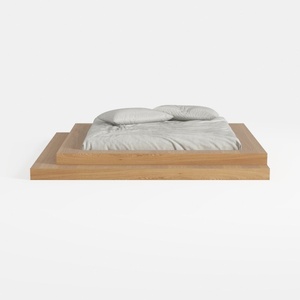
Minimalist Oak Solid Wood Platform Bed 3D Model
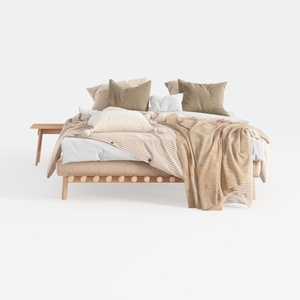
Minimalist Solid Wood Platform Bed with Soft Bedding 3D Model
Homestyler is your go-to platform for transforming your home design dreams into reality. With its user-friendly online design tool, stunning 3D renderings, an abundance of design projects, and helpful video tutorials, you can easily explore and create beautiful spaces, no matter your skill level!
Diseño ahora GRATIS
































