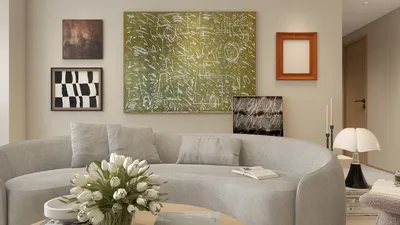


During one of my projects, a homeowner enthusiastically expressed her desire to paint each cinder block in her basement a different pastel shade, reminiscent of a vibrant 1980s ice cream truck. After some careful discussion, I was able to guide her towards more practical paint selections, demonstrating how strategic color choices can dramatically enhance the ambiance of a once-drab concrete space. If you're interested in envisioning a basement transformation, I often initiate the process in this way.
1. Illuminate with Light-Neutral Shades
A warm light gray or a gentle off-white is typically my initial recommendation for basements. These light neutrals reflect the limited light available, creating an illusion of spaciousness, while also complementing nearly any furniture style.
However, it's worth noting that very pale tones can highlight imperfections, so it's wise to budget for a high-quality primer and two finish coats. Pro tip: utilizing a masonry primer specialized for cinder blocks will prevent moisture seeping and improve paint adherence.
save pin
2. Enhance Texture with Dual-Tone Painting
Applying a slightly darker hue to the lower two-thirds of the block while keeping the upper area light generates a visual waistline that stabilizes the room's appearance. This technique has proven useful in rental spaces where durability is essential near the floor, while maintaining an airy ambiance above.
This method conceals scuffs and is practical, but it requires careful taping and a choice of harmonious colors. Opting for a satin finish below and eggshell above strikes a balance between easy maintenance and a soft aesthetic.
save pin
3. Introduce a Statement Wall with a Vibrant Accent
If your basement has a wall that directly faces a seating area, painting it in a deeper charcoal, navy, or forest green can provide a striking focal point without overwhelming the overall space. In one of my projects, a single dramatic wall transformed the entire area into a chic setting, while keeping the other walls simple.
While bold colors can create a cozy feel, they may also make the room appear smaller and reveal brush strokes on rough surfaces. I recommend testing large swatches and considering a matte finish to reduce texture visibility. For better layout ideas and scale visualization, employing tools like Homestyler can be very helpful before making any commitments.
save pin
4. Create an Illusion of Height with Vertical Stripes and Faux Panels
Implementing vertical stripes or faux wood panel designs on the blocks can trick the eye into perceiving higher walls. In a recent design for a basement family room, I added subtle vertical planks, making the area feel more spacious and unique without the need for expensive paneling.
Precision is key with this technique—irregular block joints can complicate the creation of straight lines. To achieve accuracy, use a laser level and high-grade painter's tape. This strategy is budget-friendly as it requires more time but less material expenditure compared to actual millwork.
save pin
5. Define Areas with High-Contrast Trims and Distinct Zones
In an open basement, you can delineate areas by painting utility or storage sections in contrasting colors, or applying a protective epoxy paint on the lower blocks to enhance durability. Such contrasts ensure the painted concrete feels intentional.
A point to remember: epoxy and masonry paints necessitate surface preparation and sometimes professional application to maximize their lifespan. Using real-time visualization tools such as Homestyler for previewing paint options can prevent future headaches.
save pin
FAQ
Q1: Do I need a specific primer for cinder block?
Absolutely. A masonry or concrete-block primer is essential to seal the porous surface and block moisture stains, improving paint adherence and reducing the need for multiple finish coats.
Q2: Is it okay to paint over efflorescence?
No. Efflorescence (the white powder) signifies moisture migration, which needs to be cleaned up and addressed before painting to avoid paint failures down the line.
Q3: Which paint finishes are best for basements?
Satin or eggshell finishes provide a good balance between washability and aesthetic appeal; semi-gloss is suitable for lower walls or trims that require extra durability.
Q4: How can I effectively test colors in a dim basement?
Apply 2-3 large swatches and observe them at various times of the day under the actual lighting conditions you'll use—considering overhead lights, lamps, and any natural light.
Q5: Is moisture a significant concern when painting concrete blocks in a basement?
Yes, absolutely. Always check for dampness and tackle any leaks or high humidity before painting. Ignoring this can lead to peeling paint and mold over time. For further guidance on indoor moisture control, you can refer to the EPA's recommendations at https://www.epa.gov/.
Q6: Can I use tinted sealers in place of paint?
Tinted sealers are ideal as they penetrate better and maintain the natural texture of the blocks, but they come with a more limited color palette and less coverage compared to traditional paint. They might appeal to those looking for a more breathable option.
Q7: What is the typical cost for refreshing paint?
Costs may vary based on preparation work; a DIY project on small basement walls might be budget-friendly, while professional prep, patching, and specialized paints will increase costs. I always emphasize the importance of thorough prep—skipping this can lead to higher expenses later.
Q8: Are there quick fixes for unattractive blocks before selling?
Clean, prime, and apply a single neutral coat to quickly improve the appearance. Focus on high-visibility zones like stairways and key living areas for maximum return on minimal investment.
save pin
Discover the joy of home design with Homestyler! This user-friendly platform offers an intuitive online design tool, stunning 3D renderings, and a wealth of design projects and DIY video tutorials. Transform your ideas into reality effortlessly, whether you're a beginner or a seasoned designer!
Concevez maintenant gratuitement
































