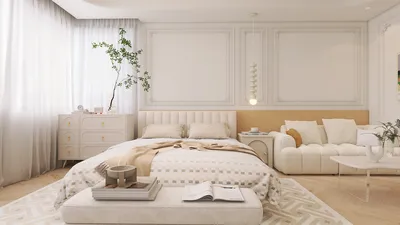


I once took on the exciting challenge of designing an attic bedroom where the client wanted a king-sized bed under a sloped ceiling. Initially, I thought it would be difficult, but I accepted the challenge. Midway through, however, I realized that the bed created a cave-like feeling in the room. To remedy this, I elevated the headboard with a slim platform and added ambient uplighting, which completely transformed the space. This experience reminded me that small attic spaces can inspire immense creativity, especially when using tools like Homestyler for visual assistance.
1. Utilize the slope with a custom platform bed
Instead of combating the roofline, I frequently design a custom low platform that conforms to the slope, incorporating storage into the knee wall. This approach provides seamless storage solutions and creates a cozy sleep area; although it may require hiring a carpenter, modular units can streamline the installation process. In one instance, I included a drawer system beneath the platform that effectively doubled the client's wardrobe space without obstructing walkways.
save pin
2. Add skylights for natural light and views
Skylights have a transformative impact on attics—they bring in natural light that reaches deep into the room, enhancing the sense of space. The benefits include ample daylight and improved ventilation, but there can be drawbacks such as excess heat or the necessity for blackout blinds. I suggest using operable skylights along with cellular blinds to manage light and energy use effectively. For evening ambiance, consider pairing skylights with dimmable wall wash fixtures.
save pin
3. Design zones using built-in shelving and nooks
Given that attics often feature awkward layouts, I create distinct zones: a reading nook positioned under the lower eaves, a dressing area near a tall ceiling, and the bed strategically placed for optimal headroom. Built-in shelves maximize storage and conceal mechanical systems. This layout approach greatly enhances functionality, though precise measurements are crucial—I always conduct an on-site check before finalizing plans.
save pin
4. Use light colors and layered textures to expand the space
Painting the sloped ceiling in a soft, light hue while incorporating textured elements like rugs, linens, and throw pillows can prevent a sterile environment. Lighter color schemes visually enlarge the attic, contrasting with darker floors or accent walls to maintain depth. I often recommend warm wood flooring paired with pale walls to balance coziness and openness, but it's important to remember that maintaining light-colored fabrics in high-traffic areas requires consideration.
save pin
5. Incorporate smart storage and multifunctional furniture
In compact attic master bedrooms, every inch matters. Consider features like lift-up beds, closets that slope with the roofline, and fold-down desks for occasional work sessions. These innovations enhance functionality but need careful planning for access and hardware. One client particularly appreciated the fold-out vanity I designed, which maximized floor space and established a dedicated area for their routine without needing an additional room.
save pin
Practical planning suggestion
Before beginning, sketch the attic’s exact slope and measure headroom at critical points to ensure realistic circulation and furniture arrangement. If you want to visualize options quickly, utilizing a room planner like Homestyler to create layouts and sightlines can be very effective.
save pin
FAQ
Q: What is the minimum ceiling height needed for an attic master bedroom?
A: While building codes may vary, it's typically recommended to have a minimum of 7 feet (2.13 m) in habitable areas. Always check local regulations to confirm specific requirements.
Q: Are skylights a worthwhile investment for an attic master?
A: Absolutely—skylights significantly enhance natural light as well as the perception of space; opt for operable models for ventilation and pair them with blinds for nighttime light control.
Q: What is the best way to insulate an attic bedroom?
A: Employ high-performance insulation in the roof assembly and seal any air gaps; consider using spray foam or rigid foam for tight spaces. Proper ventilation and vapor control are also vital for maintaining comfort.
Q: Which flooring is suitable for attic bedrooms?
A: Both engineered hardwood and luxury vinyl plank are fantastic due to their dimensional stability; while carpet adds warmth, it requires a good underlay for insulation purposes.
Q: Is it feasible to include a bathroom in an attic master?
A: Definitely, but make sure to plan for plumbing runs, venting, and any slope-related challenges; consulting an MEP professional early on can help avoid unanticipated issues.
Q: How can I enhance the feeling of height in a low-slope attic?
A: Employ continuous light paint, use vertical wall patterns, and opt for low-profile furniture; additionally, placing a mirror or reflective surface opposite a window can also help.
Q: What are some quick, budget-friendly upgrades for an attic master?
A: Consider repainting in a lighter tone, refreshing textiles, enhancing lighting, and optimizing storage with freestanding organizers to give the space an updated look.
Q: Where can I find reliable design visualization tools?
A: For professional-grade design visualization and layout planning, tools like Homestyler offer detailed features and examples. For building code references regarding room heights and egress, be sure to check with your local building authorities or the International Residential Code (IRC).
save pin
Looking to transform your space? Homestyler is your go-to online home design platform! With an intuitive design tool, stunning 3D renderings, a plethora of design projects, and helpful DIY video tutorials, you can effortlessly create and visualize your dream home—no experience needed!
Concevez maintenant gratuitement
































