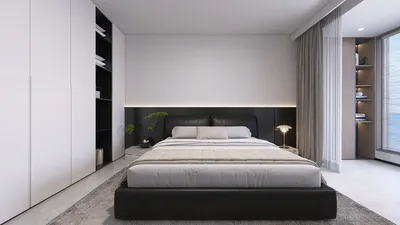


I once embarked on a painting project where I intended to paint bold stripes, only to find out halfway through that I had reversed my measurements—resulting in a living room that resembled a striking, albeit unintentional, zebra pattern. Following that incident, I began to strategize my stripe placements with a simple sketch and a quick verification through various room layout ideas within the Homestyler platform before applying any paint. Small spaces demand innovative solutions, and stripes are one of my go-to visual techniques to adjust the perceived scale and personality of a room without expensive renovations.
1. Widen Narrow Rooms with Horizontal Stripes
To create the illusion of broader spaces, I apply wide, low-contrast horizontal stripes. The benefit is immediately noticeable: the eye moves side to side, making the room appear more spacious. However, achieving clean, straight lines is crucial—thus, investing in quality tape and a level is essential. A budget-friendly tip: consider using two leftover paint cans in complementary colors, and test your stripes on poster board beforehand to minimize expenses.
save pin
2. Elevate Ceilings with Vertical Stripes
Narrow, tall vertical stripes draw the eye upward, creating an illusion of soaring ceilings. They work beautifully with plain ceilings and streamlined crown molding. A minor downside is that intricate vertical patterns can impart a formal vibe, so I suggest opting for softer color transitions or varying the widths of the stripes for a more relaxed appearance.
save pin
3. Bold Accent Stripes Behind Furniture
Introducing a single, bold stripe band behind a sofa, bed frame, or console table creates a striking focal point without overwhelming the space. I often visualize this in 3D using Homestyler to ensure proper scale; previewing beforehand prevents the need for repainting later. This method allows for flexibility: paint a test patch and expand the stripe if it fits well.
save pin
4. Subtle Tone-on-Tone Stripes
Tone-on-tone stripes can employ a mix of gloss and matte finishes or two nearly identical shades to achieve a chic, textured appearance similar to wallpaper. This style is low-risk: viewed from afar, they appear as a single tone, while closer inspection reveals intricate detail. One small consideration is lighting—make sure to test the effect under your room’s specific lighting to maintain the desired look.
save pin
5. Vibrant Color Block Stripes in Kitchens
In kitchen spaces, I enjoy using vibrant vertical or diagonal stripes on a short wall or backsplash, as a kitchen stripe accent can invigorate the atmosphere without needing a complete remodel. Remember to choose washable, semi-gloss paint for areas near cooking zones and anticipate some touch-ups after heavy usage.
save pin
FAQ
Q: What type of paint is ideal for striped walls?
For living areas, I typically recommend using eggshell or satin finishes, while semi-gloss is preferable for kitchen or high-traffic walls due to its ease of cleaning, ensuring crisp edges when taping.
Q: How can I achieve perfectly straight stripes?
Measure and mark using a pencil, then employ a long level or laser level alongside high-quality painter’s tape; for the cleanest edges, remember to remove the tape while the paint is still tacky.
Q: Is it possible to stripe over textured walls?
You can certainly do this, but texture may disrupt tape lines and lead to uneven edges; for the best outcome, consider smoothing or skim-coating the surface beforehand.
Q: What width should stripes be for smaller rooms?
For compact spaces, I recommend wider stripes—8 to 12 inches—to prevent the pattern from feeling cluttered; narrower pinstripes might visually shrink the area.
Q: Are there color combinations that consistently work well?
Neutrals paired with a single vibrant accent tend to be successful; options like navy with warm white or warm gray with a mustard accent are dependable choices.
Q: How long does it typically take to paint stripes?
Plan for at least a day for preparation and two coats of paint, plus drying time; complex designs may take an entire weekend or more depending on the drying conditions.
Q: Is striping a project suitable for DIY enthusiasts?
Absolutely—many clients I assist manage to complete stripe projects on their own. It requires patience in measuring and taping, yet the tools are affordable and the result can be quite impactful.
Q: Where can I access expert advice on stripe painting techniques?
For comprehensive step-by-step guides and product suggestions, resources from paint manufacturers like Sherwin-Williams are invaluable; their painting techniques guide can be found at https://www.sherwin-williams.com/homeowners/how-to/painting-techniques/how-to-paint-stripes.
save pin
Discover the magic of home design with Homestyler! This user-friendly platform offers a fantastic online design tool, stunning 3D renderings, and a wealth of inspiring design projects. Plus, enjoy DIY video tutorials that make transforming your space simple and fun. Start creating your dream home today!
Zaprojektuj teraz za darmo
































