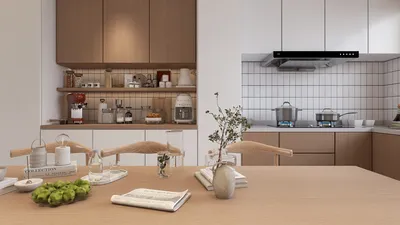


One time, I limewashed a small pantry, and the client called me excitedly, saying their sourdough starter looked magazine-worthy — true story! This project taught me two critical lessons: limewash can bring a living essence to a space, and small areas can inspire immense creativity. I usually draft my ideas in a room planner like Homestyler before committing to them, as visualizing proportions early can save both time and resources.
1. Cozy nooks with soft matte limewash
Using a soft, chalky limewash in reading nooks and window alcoves is something I love to do, as it enhances texture without overshadowing light. Its breathable, natural finish conceals minor imperfections, though applying it requires patience — applying several thin layers works significantly better than one hefty coat. Budget tip: if you’re looking to save, try a diluted colorwash initially to achieve a similar look and upgrade to a true limewash later if it fits your style.
save pin
2. Two-tone limewash adds visual height
By horizontally splitting the walls with a lighter shade of limewash on top and a deeper hue below, you can create an illusion of higher ceilings in low spaces. This cost-effective trick was effective in a studio where a mezzanine was planned — it made the area feel considerably taller. However, be cautious with color matching; testing swatches at different times of day is crucial to avoid unexpected results.
save pin
3. Limewash for kitchens: behind open shelving
Limewash applied behind open shelves beautifully warms both metal and wood tones, and it stands up well against greasy utensils and little hands. In kitchen designs, I often use a kitchen layout planner to ensure that the limewashed backsplashes align with functional areas and storage needs. A practical tip: limewash adheres best to porous materials like plaster or lime render; if you have modern drywall, use a breathable primer for optimal adhesion.
save pin
4. Cocoon effect with painted ceilings in limewash
Applying a muted limewash to the ceiling creates a warm, enclosing atmosphere without making the room feel smaller. I once did this in a narrow bedroom, and my client was thrilled with how it softened the overhead glare. This technique is budget-friendly since ceilings require less vertical coverage than walls, but proper drop cloths and rollers designed for textured finishes are essential to prevent mess. A small challenge: selecting the right light color is more critical here than on walls, so always bring samples to eye level.
save pin
5. Distressed limewash for vintage charm
For a lived-in, heirloom feel, I often recommend a distressed limewash technique; it layers beautifully and ages gracefully. I once transformed a rental unit with peeling wallpaper by applying a thin limewash and gently rubbing certain areas back — instant character! However, it’s not for those seeking a flawless finish; limewash’s natural irregularities can be frustrating, but if you appreciate charm, the extra labor is worth it.
save pin
FAQ
Q1: Is limewash suitable for interior walls?
Absolutely — limewash works well on various interior surfaces, particularly plaster, brick, or lime render. Its breathable nature and soft, matte finish are particularly appealing in compact or historic settings.
Q2: How many coats of limewash will I require?
Usually, applying 2 to 4 thin coats provides the best depth and texture. I recommend starting light and building up, as limewash darkens slightly during the curing process.
Q3: Can limewash be used in kitchens and bathrooms?
Certainly, but it's advisable to use limewash products designed for moist environments or to add a breathable protective topcoat. Ensuring proper ventilation is vital to maintain the finish and prevent mold in humid areas.
Q4: How does the durability of limewash compare to emulsion paints?
Limewash is less resilient to impact than modern emulsions and may wear off in high-traffic areas. However, it is easily touchable to maintain a cohesive appearance. For durability, strategically placing limewash — and avoiding heavy-contact zones without a topcoat — is vital.
Q5: Should I prepare walls before limewashing?
Yes — clean, sound, and slightly porous surfaces are ideal for limewash application; sealed or glossy surfaces may require sanding and a breathable primer. I always test a small area first to check for adhesion.
Q6: Is limewash eco-friendly?
Generally, yes — traditional limewash has low VOC emissions and utilizes natural limestone products, making it a greener option than many synthetic paints. If sustainability is a priority, always check product labels for certifications.
Q7: How can I visualize these ideas in a plan?
When you want to design finishes and layouts together, using a visual planning tool like Homestyler can help you understand scale and color interactions before application. For intricate layouts, it’s beneficial to import your concepts into a 3D simulation to confirm sightlines and lighting.
Q8: Are there expert references regarding limewash properties?
Yes — for technical insights, manufacturers such as Sherwin-Williams publish product datasheets and technical notes explaining lime-based finishes and their breathability. Consulting manufacturer data is essential for matching products to substrates (refer to Sherwin-Williams technical resources).
save pin
Homestyler is your go-to online home design platform! With its user-friendly design tool, stunning 3D renderings, and a wealth of inspiring design projects and video tutorials, you can effortlessly create and visualize your dream space. Transform your ideas into reality today!
立即免费设计
































