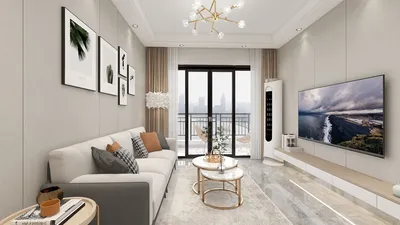


In a recent project, I suggested a client mount a 7-foot Madhubani artwork behind a small sofa. Although it seemed unconventional at first, the end result transformed the entire space beautifully. This experience highlighted for me that compact living areas serve as an excellent canvas for daring Indian wall art; when you integrate the right scale and narrative, even the tiniest rooms can appear expansive. Here, I will share five Indian wall art concepts that I frequently incorporate into actual projects, merging tradition with modern small-space design, leveraging tools like Homestyler for layout visualizations.
1. Miniature Gallery of Rajasthani Prints
An arrangement of Rajasthani folk prints in frames can create a captivating rhythm, enhancing the wall without overwhelming it. I prefer 6 to 9 small to medium-sized frames with matching matting to ensure that the intricate patterns present as a unified collection. The beauty of this approach is its adaptability—you can easily rotate pieces with the seasons. The downside, however, is the precision required during alignment (a laser level is a must!).
save pin
2. Textured Kalamkari Fabric as a Focal Tapestry
Hanging a Kalamkari textile instantly adds warmth and tactile richness, particularly in neutral or Scandinavian-style interiors. The organic dye designs introduce a sense of movement and proportion, which can visually enhance even low-ceilinged rooms. Be cautious of sunlight exposure; I recommend using a UV protective backing or occasionally rotating the textile to preserve its vibrant colors.
save pin
3. Brass and Metal Mixed-Media Cluster
Arranging small brass reliefs or metal discs in an asymmetrical formation can create reflective accents, ideal for dimly lit urban apartments. I once created a striking installation above a cozy reading area—the metal beautifully reflected the lamp’s glow, enhancing the evening atmosphere. The challenge lies in ensuring proper anchoring: it’s essential to have a strong focal point nearby (like a console or lamp) so that the artwork feels grounded.
save pin
4. Contemporary Tanjore-Inspired Panel
Capture the essence of Tanjore art by simplifying it into a single contemporary panel with subtle gold leaf accents. This approach strikes a balance between traditional heritage and modern minimalism—perfect for small living areas needing a distinct statement piece. While handcrafted versions can be on the higher end, a well-chosen replica can offer similar charm at a more affordable price.
save pin
5. Handpainted Wall Mural with Geometric Motifs
An intricately scaled geometric mural inspired by Indian tile patterns can extend the visual length of a narrow living room. I often sketch directly on the primed wall and use stencils for precise lines—this technique offers a budget-friendly way to achieve a customized appearance. The trade-off, though, is the permanence of murals: while stunning, they require effort to alter, so select hues that you’ll appreciate for years to come.
save pin
Tips 1:
If you want to trial layouts before making a final decision, consider utilizing a digital planner that aids in visualizing dimensions and placements. Tools like Homestyler are particularly helpful for gaining quick insights into how an oversized artwork might look in a confined space. Additionally, think about implementing layered lighting to accentuate metallic and textile artworks in the evening.
save pin
FAQ
Q1: What is the best type of Indian wall art for a small living room?
A1: Choose either a striking focal piece or a harmonized grid of smaller frames to minimize visual clutter. Textiles and reflective metals generally perform well, as they contribute depth without overwhelming the space.
Q2: How do I select colors for Indian art in a neutral living room?
A2: Pick 2 to 3 accent colors from the artwork and incorporate those hues into cushions or a rug; this repetition will unify the room and establish a cohesive palette.
Q3: Can I blend traditional Indian art with contemporary furniture?
A3: Absolutely! I often merge classic designs with modern sofas; maintaining balance is crucial—keep the furnishings simple to let the art bring in the character.
Q4: Are textiles like Kalamkari or Ajrakh suitable for sunlit walls?
A4: Due to the fading nature of natural dyes in direct sunlight, it's advisable to use UV-filtering glass or position textiles away from intense sunlight; rotating items can also help retain their vibrancy.
Q5: How can I securely hang heavy metal or brass wall sculptures?
A5: Ensure you use proper wall anchors and seek professional guidance if you are unsure; using mounting hardware that matches the weight of the sculpture is imperative.
Q6: Is it beneficial to hire a designer for selecting Indian wall art?
A6: A designer can assist with scale, placement, and sourcing, saving time and helping to avoid expensive missteps—especially when selecting impactful one-time pieces.
Q7: Where can I visualize wall art before purchasing?
A7: Numerous online room planning and 3D floor planning applications allow you to upload images and simulate art placements, helping you to preview scale and visual impact.
Q8: Are there authoritative resources for Indian textile preservation?
A8: Indeed—The Getty Conservation Institute offers comprehensive guidance on caring for textiles and preservation methods (https://www.getty.edu/conservation/).
save pin
Homestyler is your go-to online home design platform! With its user-friendly design tool, stunning 3D renderings, and a wealth of DIY video tutorials, you can effortlessly create and visualize your dream spaces. Explore endless design possibilities today!
Desain sekarang Gratis
































