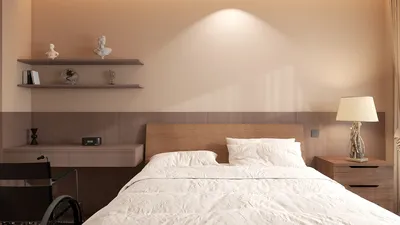


I once transformed an entire breakfast nook into the wrong green hue due to a client's description of wanting something reminiscent of the "rainforest". This experience taught me the invaluable lesson about the importance of swatches and snapshots. Working with small spaces can indeed be challenging, yet it often leads to more thoughtful decisions; just a touch of green can significantly enhance the atmosphere. When refreshing a compact room, I frequently refer to my layout sketches to evaluate sightlines and lighting prior to committing to a full gallon of paint.
Mossy Accent Wall: Depth Without Drama
Select a subtle, slightly brownish green and apply it to a single wall behind a sofa or bed. This choice exudes sophistication and provides grounding, particularly in cozy rooms, creating visual depth without diminishing the light. The benefit lies in adding striking character for a minimal cost; however, ensuring the correct undertone is crucial—test it against wooden surfaces and skin tones for the best results.
save pin
Olive Cabinets in a Compact Kitchen
Opting for green cabinets in olive or sage hues can offer a curated feel to a tiny kitchen, instead of appearing cluttered. Complement these with warm hardware and a neutral backsplash to maintain a serene color palette. A money-saving tip: consider painting existing cabinets rather than replacing them, and finish with a clear wipeable topcoat to enhance durability.
save pin
Mint Bathroom Refresh: Bright and Hygienic
Soft mint-colored walls effortlessly reflect light and can make smaller bathrooms feel more expansive. This color choice pairs beautifully with white tiles and brass fixtures. When planning layouts or switching out vanities, I enjoy sketching a quick 3D space diagram to clarify plumbing adjustments or storage modifications before any painting begins.
save pin
Deep Forest in a Study: Cozy but Not Claustrophobic
Application of a rich, cool green on all four walls can create a cozy and inviting atmosphere in your study. To prevent a closed-in feeling, incorporate layered lighting and mirrors. This strategy provides a focused ambience, though sufficient task lighting and lighter furnishings are necessary to maintain a balance.
save pin
Layered Green Textiles and Plants for Instant Life
If repainting seems too significant of a change, introduce shades of green through textiles like rugs, cushions, and planters. Combining various greens—such as a teal cushion, a chartreuse throw, and an emerald planter—creates a vibrant and curated appearance. For a realistic preview, I occasionally utilize Homestyler to create a 3D concept model, enabling me to visualize how these tones interact in different lighting conditions.
save pin
FAQ
Q: What shade of green is ideal for small rooms?
A: Light, muted greens with gray or brown undertones (such as sage or mint) generally help to visually expand a small room. It’s important to test swatches at various times throughout the day.
Q: Are green walls difficult to coordinate with furniture?
A: Not when you anchor the color scheme: incorporating warm woods, neutral textiles, and a single metallic finish (like brass or black) can ensure harmony. Utilize a fabric or rug swatch to test your combinations.
Q: How can I avoid a dated appearance with green paint?
A: Steer clear of neon or overly brown greens. Modern green tones tend to be either dusty and muted or deep and cool; both options can feel contemporary when paired with simple trims.
Q: Does green paint negatively impact indoor air quality?
A: Opt for low-VOC or zero-VOC paints to minimize off-gassing. The U.S. Environmental Protection Agency (EPA) states that limiting VOC sources can enhance indoor air quality: https://www.epa.gov/indoor-air-quality-iaq.
Q: Is it feasible to paint kitchen cabinets green?
A: Absolutely! Many compact kitchens can greatly benefit from painted cabinets. Key to success is proper preparation, primer selection, and using a durable topcoat to prevent chipping in frequently-used areas.
Q: How many paint samples should I try?
A: It’s advisable to test at least three shades on large swatches and observe them under different lighting conditions, both in the morning and in the evening. Photography can be misleading, so hands-on testing is essential.
Q: Which finishes are best for green walls?
A: Matte or eggshell finishes effectively hide imperfections and maintain a modern feel; satin finishes are suitable for kitchens and bathrooms as they are easier to clean.
Q: What’s a quick, budget-friendly way to update with green?
A: Change out textiles and add houseplants, or simply paint one accent wall. These adjustments can refresh a space swiftly without incurring substantial costs.
save pin
Homestyler is your go-to online home design platform, perfect for bringing your creative visions to life. With its user-friendly design tool, stunning 3D renderings, and a treasure trove of design projects accompanied by DIY video tutorials, transforming your space has never been easier or more enjoyable!
Zaprojektuj teraz za darmo
































