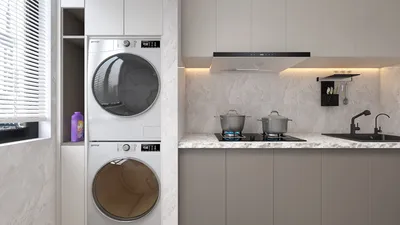


One time, I agreed to apply a striking glossy black epoxy to the main wall of a tiny studio because the client believed it would create a dramatic effect. It certainly was dramatic, particularly due to the afternoon sunlight turning the room into a reflective space. This experience taught me two essential lessons: epoxy wall paint can uniquely transform a room, and small spaces require a thoughtful approach to prevent visual overload. To visualize how various epoxy textures interact within a space, I frequently utilize 3D visualization tools like Homestyler to see the nuances of finish and light before making a final decision.
1. High-Gloss Accent Wall for Enhanced Depth
Implementing a high-gloss epoxy finish on a single wall can create the illusion of depth in a narrow room by bouncing light back into the area. This technique works wonderfully in compact living rooms, giving a luxurious and intentional feel. However, flawless preparation and proficient application are crucial, as any imperfections are amplified on glossy surfaces. While glossy epoxy typically comes at a higher price point and requires better substrate preparation, the enhancement in perceived spaciousness is often worth the investment.
save pin
2. Matte Mineral Epoxy for Softening Contrast
Using matte epoxy with subtle mineral textures offers a sophisticated backdrop that minimizes glare. I applied this in a small bedroom to anchor the bed; the texture conceals minor wall imperfections and eases maintenance by reducing visibility of fingerprints. The downside is that matte epoxy may not be as stain-resistant compared to high-gloss options, hence the importance of using top-quality sealers and allowing proper curing time.
save pin
3. Color-Blocking with Metallic Accents
For a playful yet polished appearance, consider color-blocking with two different epoxy finishes, connected by a slender metallic vein. In a previous project, I divided a small studio wall horizontally with warm clay epoxy on the bottom and cool slate on top, joined by a bronze vein—this made the ceiling appear higher. This method provides a designer aesthetic while staying within a moderate budget; however, it requires meticulous masking and steady hands to maintain clean lines. For inspiration on intricate designs, refer to a living room makeover case that influenced my color selections.
save pin
4. Partial Paneling: Epoxy Inserts within Wood or Tile
Instead of covering an entire wall, I occasionally incorporate epoxy panels set within wooden frames or tile arrangements. This method preserves the warmth of natural materials while showcasing epoxy in key areas, like behind a dining bench or a kitchenette backsplash. This strategy is particularly advantageous for renters or anyone seeking an eye-catching feature without a total overhaul—installation is modular but requires effective collaboration among trades such as carpenters, tilers, and applicators.
save pin
5. Bathroom-Grade Epoxy for Wet Areas
Epoxy is an excellent choice in compact bathrooms when specially formulated for wet conditions: smooth, stain-resistant, and straightforward to maintain. I recommended a client to select low-VOC epoxy designed for bathrooms and to keep application sections limited to manage curing effectively; this resulted in a seamless appearance that visually expanded the shower wall. If you are considering bathroom renovations, be sure to explore this small-space bathroom inspiration for layout suggestions and finish combinations.
save pin
FAQ
Q1: Is it safe to use epoxy wall paint indoors?
Yes, epoxy can be safe for indoor environments when using low-VOC products and ensuring adequate ventilation during application and curing. Always adhere to the manufacturer's safety guidelines and consider wearing a respirator during intensive work.
Q2: What is the lifespan of epoxy wall paint?
With proper substrate preparation and using high-quality materials, epoxy wall finishes can last many years—often spanning 5 to 10 years or more in low-wear areas. The durability is influenced by factors such as UV exposure, cleaning practices, and the thoroughness of the surface preparation.
Q3: Can epoxy be applied over existing paint?
In some cases, yes, but the existing paint must be well-adhered, fully cured, and roughened to allow for mechanical bonding. I often prefer to remove loose paint and apply a primer to avoid any adhesion issues.
Q4: What type of ventilation is necessary during application?
Adequate ventilation is crucial—open windows and use fans to disperse fumes, and minimize your time spent in the area until curing is underway. For more detailed guidance on indoor air practices and ventilation, check the resources provided by the U.S. EPA.
Q5: Are epoxy finishes waterproof?
Many epoxy finishes are highly water-resistant once completely cured, making them suitable for bathrooms and backsplashes when identified as bathroom-grade. Ensure that joints and edges are appropriately sealed to prevent water from intruding behind substrates.
Q6: How much does epoxy wall paint typically cost?
Prices can vary significantly; anticipate that materials and labor will be more expensive than conventional paint due to the preparation and specialized application process. For a small feature wall, budget for the mid-range, while complete room applications can escalate substantially based on finish and labor complexity.
Q7: Can DIY enthusiasts apply epoxy walls themselves?
Skilled DIYers may manage small epoxy projects with kits, but larger or prominent walls are best addressed by professionals to prevent issues like runs, bubbles, and uneven gloss. If you're uncertain, it’s advisable to hire a professional at least for the initial project to save time and avoid costly mistakes.
Q8: What surfaces are ideal for epoxy wall paint?
Properly prepared plaster, cement-board, and smooth masonry surfaces are suitable; however, glossy or flaky surfaces need to be abraded or stripped. If you're unsure, always conduct a small test area first to confirm that the substrate is adequately dry and structurally sound.
save pin
Discover the ease of home design with Homestyler! This user-friendly platform offers an intuitive online design tool, stunning 3D renderings, and a wealth of design projects and DIY video tutorials. Transform your space effortlessly and unleash your creativity today!
Design Now for FREE
































