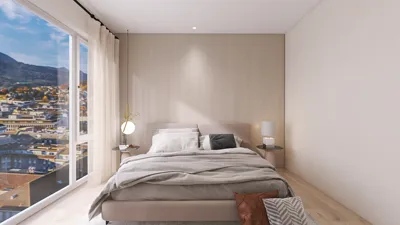


I once organized a sip and paint event in a small studio space, and I almost spilled a glass of red wine into a friend’s freshly painted tote bag—true story. That experience taught me to approach the arrangement of the room with meticulous planning akin to a surgeon, rather than an artist. I even figured out how to create a cozy atmosphere within just 9 square meters by utilizing a simple corner layout.
Living in small spaces often leads to innovative solutions; it compels you to emphasize ambiance, practicality, and spatial flow. Here, I present five playful yet practical ideas that inspired me to transform cramped living areas into enjoyable and relaxed sip and paint experiences.
1. The Fold-Out Studio: Smart Tables and Multiuse Surfaces
I am a fan of foldable furniture for hosting—drop-leaf tables and stacked benches make cleanup and storage a breeze. Protect surfaces with vinyl tablecloths or large cutting boards used as palettes, which leads to minimal post-party cleanup and allows you to reclaim your space early the next day.
Advantages: budget-friendly, quick to set up. Challenge: limited workspace pushes for smaller canvases or collaborative artwork.
save pin
2. Gallery-Style Pop-Up: Vertical Displays and Wall Protection
When floor space is restricted, consider vertical solutions. Attaching easels to a narrow console or hanging protective craft paper on the wall enables guests to work either while standing or seated. This approach can create a gallery-like atmosphere, even in a micro-apartment.
Tip: Always measure wall clearance beforehand to prevent accidental repainting of the baseboard, a mistake I unfortunately made on my first attempt.
save pin
3. Modular Seating Plan: Let Guests Shuffle Easily
A sip and paint event is inherently social, so opt for seating arrangements that are easy to adjust. Lightweight stools, floor cushions, and a few folding chairs allow guests to move around for demonstrations or feedback sessions. If you’re a visual planner like me, you can pre-visualize seating layouts without having to move a single chair.
Benefit: flexibility in flow. Drawback: managing multiple lightweight pieces necessitates vigilance about where drinks might end up—coasters with raised edges can help.
save pin
4. Mood Lighting and Focus Zones
Proper lighting enhances paint colors and elevates photo quality. I usually combine a warm overhead lamp with a cooler LED desk lamp for close work. Establish a small "mixing" area with a tray for washes and palette knives to keep any spills away from wine and snacks.
On a budget: smart bulbs can adjust lighting scenes without any major rewiring; they’re definitely worth it if you host gatherings frequently.
save pin
5. Compact Serving Station: Drinks, Snacks, and Cleanup
Establish a small, specialized area for drinks and snacks so that guests aren’t trying to juggle canvases and plates simultaneously. A rolling cart or narrow counter can serve as your party's command center—label cups and offer reusable options with clips for brushes.
It may not be glamorous, but an orderly serving station can prevent paint-related mishaps. For additional layout inspiration for narrow prep areas, explore different compact serving station ideas.
save pin
FAQ
Q1: How much space do I need for a sip and paint gathering?
A1: You can host an intimate session in as little as 8 to 10 square meters if you adjust canvas sizes to A4 to A3 scales and use vertical or foldable setups. The crucial elements are circulation and having a clear serving space.
Q2: What art supplies should I focus on?
A2: Invest in some quality brushes, water-soluble acrylic paints that dry quickly, canvas boards, palettes, and disposable cups. Less clutter results in more enjoyment and a cleaner environment.
Q3: How can I avoid spills and stains?
A3: Utilize table protectors, assign a specific mixing tray, offer aprons or oversized shirts, and keep paper towels along with a small trash bin nearby for wet waste.
Q4: Is it safe to serve alcohol at home events?
A4: Absolutely. Just set a limit, ensure abundant water and snacks are available, and consider including a nonalcoholic option. For official guidelines regarding alcohol and health, refer to the CDC’s resources: https://www.cdc.gov/alcohol/.
Q5: How about children or family-friendly variations?
A5: Replace acrylics with washable tempera or watercolor, use smaller cups, non-slip mats, and reduce the session duration to 30 to 45 minutes to accommodate younger attention spans.
Q6: What should I budget per guest?
A6: You can host for as little as $5 to $10 per person with shared paints and paper canvases, or $20 to $30 for individual canvases and better brushes. Tailor your budget based on whether you provide the supplies or have guests bring their own.
Q7: Do you have any suggestions for music and ambiance?
A7: Compile a 2 to 3-hour playlist with gentle peaks for demonstrations and softer tunes during focused painting. Adjustable lighting contributes to a relaxed, creative atmosphere.
Q8: Do I need to be an established artist to host a sip and paint?
A8: Not at all. Hosting is about creating an enjoyable experience rather than achieving perfection in artistry. Provide simple prompts and celebrate exploration—your guests will cherish the ambiance, not the details of the brushstrokes.
save pin
If you're looking to transform your space effortlessly, Homestyler is the ideal platform for you. With its user-friendly online design tool, stunning 3D renderings, and a wealth of inspiring design projects and video tutorials, creating your dream home has never been easier!
立即免费设计
































