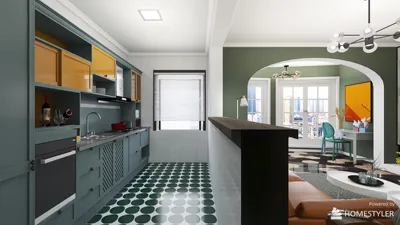


Once, I had a client who envisioned their living room reflecting the charm of an Alpine cabin, all while residing on the 12th floor of a city high-rise. After dedicating a weekend to creating a mockup, I discovered an essential lesson: the effect of wooden walls can vary dramatically in a small living room, creating either a warm, expansive feel or a cramped, cave-like atmosphere based on scale and light. This near-miss experience taught me to approach wood as a vital design tool rather than merely a building material.
1. Horizontal Planks for Expanding Visual Space
Installing wooden planks horizontally is my preferred method for making a narrow living room feel more spacious. The horizontal lines naturally draw the eye and create a sense of width. It's an affordable and straightforward solution that complements low-profile sofas exceptionally well. However, be mindful that it can highlight imperfections; thus, precise installation is crucial, or consider utilizing wider boards to conceal minor flaws.
save pin
2. Vertical Tongue-and-Groove for Elevation
Utilizing vertical tongue-and-groove paneling can effectively elevate the visual height of rooms with low ceilings. I applied this technique in a loft project, and with the addition of light paint and recessed lighting, it completely transformed the room's proportions. While it may evoke a more traditional feel, balancing it with modern decor prevents an outdated appearance.
save pin
3. Mixed-Media Accent Walls
Combining wood with other materials like plaster or stone creates a striking accent wall that remains rich without overwhelming the senses. In a past project, I framed a television in a walnut inset surrounded by limewash plaster, leading guests to inquire about the fireplace. This design provides a strong focal point with minimal wood use, though it's necessary to ensure that all materials age well together—using proper sealants and installation methods is key.
save pin
4. Airy Whitewashed or Bleached Panels
If you desire the warmth that wood brings without making a room feel heavy, whitewashing or bleaching panels preserves their texture while brightening the ambiance. In a compact apartment, replacing dark stains with a lighter, whitewashed finish created the illusion of extra space in the living area. This approach is visually forgiving but might show wear over time; therefore, consider a durable finish if the space is frequented by pets or children.
save pin
5. Continuous Wood from Floor to Ceiling
Extending a single wood species from the floor to the ceiling fosters a sense of cohesion, making a compact living room feel larger. I implemented this technique in a small city flat and combined it with reflective accents and strategic lighting, resulting in a curated, open atmosphere instead of a claustrophobic one. The challenge lies in avoiding monotony; incorporate textiles or artwork to introduce variety.
If you're keen to test various layouts before making a commitment, think about using a room planner, such as Homestyler, to visualize different wood orientations and furniture placements in just a few minutes.
save pin
FAQ
Q: Are wooden walls suitable for compact living rooms? A: Absolutely. When carefully considered regarding scale and light, wood can enhance the warmth and perceived depth of small spaces.
Q: What wood finish can make a small room appear larger? A: Lighter finishes, like whitewashed or bleached wood, bounce more light around and help create a sense of space.
Q: Should I use horizontal or vertical paneling for slender rooms? A: Horizontal planks are ideal for visually widening a narrow room, while vertical paneling elevates the perceived ceiling height.
Q: How can I prevent wood walls from feeling too dark? A: Counterbalance with light-colored furniture, mirrors, and layered lighting to maintain an airy feel.
Q: Is it possible to install wood paneling myself? A: While straightforward plank installations can be DIY, intricate mixed-media or floor-to-ceiling designs would benefit from a professional to ensure proper fit and moisture management.
Q: What are the maintenance tips for wood walls? A: Maintain stable humidity, dust them regularly, and apply suitable sealants while avoiding excessive direct sunlight to prevent fading.
Q: Where can I find reliable design tools to explore wood wall options? A: Homestyler offers an excellent room planner that provides realistic mockups and space planning features, allowing users to visualize designs effectively.
Q: Are there recognized guidelines for incorporating wood in interiors? A: Indeed, resources like the National Wood Flooring Association provide helpful standards regarding moisture and installation practices that extend beyond merely flooring.
save pin
Homestyler is your go-to online home design platform, perfect for both novices and pros. With its easy-to-use design tool, stunning 3D renderings, and a wealth of DIY video tutorials, you can effortlessly create and visualize your dream spaces. Transform your home with Homestyler today!
Design Now for FREE
































