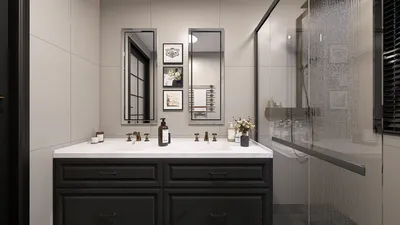


I once had a client who envisioned their living room wall resembling a classic subway station — all within the confines of a compact 12㎡ apartment. While I was about to contest this idea, I realized the significant impact that the right wall tiles can have in a small space: they can enhance depth, reflect light, and even create the illusion of a larger area. Incorporating tools like Homestyler can help visualize these changes effectively.
1. Glossy subway tiles for enhanced brightness
Opting for glossy white subway tiles on one accent wall not only bounces light around but also creates a sense of spaciousness in a small living room. I implemented this strategy in a studio setting where natural sunlight was scarce; the tiles transformed the entire environment, making it feel much more open. The only downside is grout upkeep — either choose darker grout or go with sealed options to minimize visible dirt.
save pin
2. Large-format porcelain tiles for fewer seams
Utilizing large-format tiles results in reduced grout lines, rendering the visual appeal cleaner and making a small living room appear more expansive. I favor matte porcelain in neutral shades for a modern aesthetic; while installation can be pricier and requires skilled cutting of large tiles, the sleek finish is often worth the investment.
save pin
3. Textured tiles on a shorter feature wall
Implementing a textured tile band ranging from 1.2 to 1.5 meters high behind the sofa adds tactile intrigue without overwhelming the space. I have creatively combined ribbed, stone-like tiles with soft fabrics to balance warmth with modernity; it's important to note that textured surfaces might complicate cleaning, so avoid using them in high-traffic areas.
save pin
4. Encaustic-look patterned tiles as a visual anchor
Incorporating patterned tiles behind a television or fireplace serves to create a focal point within a compact living area. I once applied encaustic-style tiles in subdued blues and greys to inject personality into a small living room without overwhelming it with vibrant colors. Since patterns can become visually busy, it’s advisable to limit them to a single wall and maintain a neutral decor style elsewhere.
save pin
5. Mirrored or metallic tiles for enhanced depth
Carefully positioned mirrored or metallic tiles can reflect light, effectively doubling the perceived space. I once added a small vertical strip near a window, leading to an immediate enhancement of the room's apparent size. However, the downside is that mirrors may show fingerprints and metallic finishes can display scratches, so it's important to plan their locations wisely.
save pin
Practical insights from my projects
When selecting wall tiles for a petite living room, keep in mind the scale, grout color, and natural light interaction with the wall. It’s also vital to consider how well the tile works with your furniture and flooring; generally, continuity outweighs contrast in smaller settings. For quick visualizations, tools like Homestyler are handy to simulate tile placements before making sample orders.
save pin
FAQ
Q: Are wall tiles compatible with every living room style?
A: Absolutely — whether your style is modern or rustic, there’s a tile option available. The key is to select the finish and scale that align with your space's character.
Q: Do tiles contribute to a colder feel in a living room?
A: Some materials, like stone, can feel cool to the touch; however, you can warm the atmosphere with rugs, textiles, and inviting lighting.
Q: How should I choose grout color for small spaces?
A: Lighter grout can blend seamlessly with pale tiles to enhance the area’s perception, whereas darker grout effectively hides stains while making joints more noticeable.
Q: Is it possible to tile only part of a wall?
A: Definitely — techniques such as half walls, vertical strips, or low splashes are excellent for adding interest without overshadowing a small area.
Q: What maintenance do wall tiles demand?
A: Most glazed tiles can be wiped down effortlessly; however, textured tiles and grout may require periodic deep cleaning and resealing to stay pristine.
Q: Is tile installation suitable for DIY enthusiasts?
A: Smaller accent areas might be manageable for DIY projects, but large-format tiles or intricate patterns are best left to professionals to avert costly blunders.
Q: Where can I test out layouts before purchasing tiles?
A: You can utilize a digital room planner to experiment with tile placements and proportions (room planner) to get a clear view before buying.
Q: Where can I find authoritative guidance on tile safety and installation?
A: For comprehensive standards and safe installation protocols, consult the Tile Council of North America (TCNA) handbook, which offers detailed, industry-recognized guidelines (https://www.tcnatile.com).
save pin
Discover your dream home design with Homestyler! This user-friendly platform offers an intuitive online design tool, stunning 3D renderings, and a wealth of design projects and DIY video tutorials. Transform your ideas into reality effortlessly and inspire your creativity today!
Design Now for FREE
































