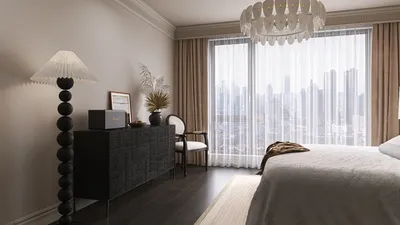


In a previous project, I suggested installing a floor-to-ceiling glass mural, which unintentionally frightened the client's cat, forcing it to hide for two days—a rather amusing incident! This experience reinforced my belief that while glass wall art can be striking, its correct implementation can transform modest spaces into unforgettable settings. Small living rooms demand decisive choices, and embracing glass often enhances that boldness by introducing light, depth, and a sleek appearance.
1. Backlit Glass Panels
The use of slender backlit glass panels can produce a gentle, continuous illumination that effectively enlarges the perception of the room while also serving as ambient light. I applied this method in the redesign of a rental space, ensuring minimal disruption with maximum visual impact. Pros: contemporary, space-efficient, fantastic for establishing a mood. Challenges include the need for wiring and an initial investment, however, LED strips maintain low energy consumption.
save pin
2. Frosted Glass with Etched Patterns
Frosted glass plays a dual role; it gently diffuses light while ensuring privacy, making it perfect for studios where living areas merge with other spaces. On one project, I etched a city skyline onto frosted panels for a client longing for travel, turning it into a captivating talking point. Pros: sophisticated and conceals clutter; Cons: it reflects less light than clear glass, so pairing with mirrors is advisable.
save pin
3. Colored Tempered Glass Accents
Incorporating colored tempered glass tiles or a striking colored glass artwork brings character to a compact living room without overwhelming it. It is a minor expense that provides a gallery-like effect. Pros: resilient and eye-catching; Cons: once you choose a color, it’s a permanent decision, so be sure to test samples in natural light beforehand.
4. Frameless Glass Shelves with Integrated Art
Using frameless glass shelves creates an elegant way to display small art pieces or layered glass elements, adding depth without visual clutter. I implemented this in a 35 square meter apartment, showcasing books and glass sculptures in a stylish manner—functionality and artistry in one. Pros: versatile and airy; Cons: requires careful installation and regular cleaning.
save pin
save pin
5. Mirrored Glass Murals for the Illusion of Space
Mirrored glass murals serve an effective purpose by reflecting light and decor, creating the illusion of doubling the space in a small living room. I suggested this technique on a project to visually extend a bay window, leading to the impression that the room had been relocated to a more spacious layout. Pros: ideal for compact areas; Cons: fingerprints can be visible, so consider treated mirrors for ease of upkeep.
To effectively plan the layout and visualize how these glass features will interact with the dimensions of your living room, utilizing a tool like a 3D floor planner can help clients and myself avoid unexpected outcomes.
save pin
Tips 1:
Budget considerations: while tempered and laminated glass have a higher upfront cost, they offer better longevity and safety. A practical tip is to mock up your designs using cardstock or plexiglass as a preliminary step. For installations that need detailed planning from floor to ceiling, I highly recommend using a reliable floor planner to outline sightlines and lighting.
save pin
FAQ
Q: Is glass wall art suitable for small living rooms?
A: Absolutely—glass has the ability to reflect light and create depth, frequently making compact rooms feel more expansive. Just ensure to use it judiciously to prevent visual clutter.
Q: What maintenance does glass wall art necessitate?
A: Generally, regular dusting along with the occasional application of glass cleaner is sufficient, and opting for treated or anti-fingerprint glass can minimize upkeep.
Q: Is tempered glass a requirement?
A: For safety reasons, especially in environments with children or pets, tempered glass is highly recommended due to its strength and the way it shatters into less hazardous fragments.
Q: Can I install backlit panels on my own?
A: Basic LED backlighting kits can be installed by yourself, but professional assistance is advised for hardwired installations to ensure safety and compliance.
Q: How can I determine the right glass color?
A: Evaluate samples in the room’s natural light throughout different times of the day; neutral shades usually offer greater long-term satisfaction.
Q: Will mirrored glass create a cluttered appearance in my room?
A: Actually, mirrors can help diminish the perception of clutter by reflecting the space, but pay attention to placement—avoid reflecting untidy areas or chaotic patterns.
Q: Are there fire or building code considerations with large glass panels?
A: Local building codes differ; for structural elements or floor-to-ceiling installations, it’s best to consult a professional installer and refer to your local regulations. For authoritative guidance, refer to the International Building Code (IBC) or your local code authority.
Q: How can I visualize glass art in my space before purchasing?
A: A 3D floor planner is a valuable tool for inserting glass components into your room layout, allowing you to assess sightlines and natural light at various moments throughout the day.
save pin
Discover the ultimate home design experience with Homestyler! This user-friendly platform offers a powerful online design tool, stunning 3D renderings, and a wealth of design projects and DIY video tutorials. Transform your space effortlessly and unleash your creativity today!
Design Now for FREE
































