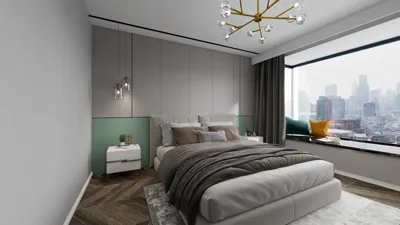


I once convinced a client to trade their bright teal sofa for a cream one, and the transformation was incredible — they shed joyful tears the following week when their entire room radiated calmness and elegance overnight. This risk highlighted the tremendous impact of a simple cream-and-grey palette, particularly in small spaces where every choice carries weight. In compact rooms, a moderated approach can ignite creativity, and I will share five concepts that have successfully converted tight layouts into distinctly stylish living areas — begin with this living room case study to witness the final outcome.
1. Textured neutrals layered for depth
Starting with a foundation of warm cream walls and a mid-grey sofa is one of my favorite strategies, followed by introducing texture: boucle cushions, a linen throw, and a high-low shag rug. This approach fosters warmth without tedium; however, balancing scale is essential so that the textures don't appear cluttered in smaller rooms. Tip: incorporate one or two patterned items to draw the eye and provide focus.
2. Subtle greys with bold accents
When a client requested ‘elegant yet inviting,’ I proposed soft dove-grey walls alongside charcoal metal furniture legs for contrast. Dark enhancements provide depth and highlight cream features, but moderation is key — a simple black lamp or picture frame can be more effective than a large black bookshelf. A cost-effective approach: start by updating hardware and lamps to evaluate the aesthetic without committing to a full remodel.
save pin
3. Efficiently utilized layouts that feel expansive
In numerous small projects, I've reconfigured furniture layouts to create a sense of openness; even a minor adjustment in seating arrangement can transform any space. To quickly explore options, consider utilizing a space planning case study to envision various layouts before shifting heavy furniture. The advantage is immediate clarity on the flow, while the downside might unveil an awkward corner that requires a customized solution.
save pin
4. The warmth of wood combined with metallics
Incorporating warm brass or gentle gold tones with mid-grey and cream creates an understated glamour that feels welcoming rather than overwhelming. I typically balance metal elements with oak or walnut to stabilize the color scheme; metals reflect light effectively while wood adds a personal touch. A small note: polished metals can show fingerprints, so opting for matte or brushed finishes is more practical for daily use.
save pin
5. Utilizing built-ins, mirrors, and adaptable furniture
Built-in shelving painted in a soft cream can seamlessly blend into the walls, allowing grey furnishings to shine. I’ve employed this technique to transform awkward alcoves into functional, elegant spaces. Furthermore, mirrors and slim, adjustable furniture enhance the room's airiness; for tech-savvy clients, I’ve utilized Homestyler to generate multiple layout options within minutes. The only trade-off is planning: built-ins require time and financial investment, but they offer significant returns in usability and resale value.
save pin
FAQ
Q1: Is it difficult to maintain cream and grey interiors?
A1: Cream tends to show stains more than mid-grey; however, selecting durable fabrics (such as performance linen or stain-resistant blends) and strategically placing items can minimize upkeep. Slipcovers and washable cushion covers are invaluable in more active households.
Q2: What paint finish is ideal for cream walls?
A2: I generally suggest eggshell or low-sheen finishes for living rooms — they conceal imperfections better than flat and are simpler to clean than matte. Testing swatches at various times during the day reveals how lighting influences the tone.
Q3: Can small living spaces accommodate patterned rugs?
A3: Absolutely — a subtle pattern can introduce intrigue without overpowering the space. Keep rug colors within the cream-grey spectrum and allow other accents to bring in bolder tones if desired.
Q4: How can I incorporate color while maintaining a neutral aesthetic?
A4: Introduce subtle pops of color, such as muted teal or terracotta through cushions or artwork. These additions act like punctuation and can easily be swapped out based on seasonal preferences.
Q5: Is cream a better option than white?
A5: Cream exudes warmth and is more forgiving than stark white, especially under warmer lighting. If you're aiming for a cozy, lived-in atmosphere, cream often serves as a superior base.
Q6: Are metallic accents trendy or timeless?
A6: Brushed and matte metallics (like soft gold or aged brass) present a timeless appeal and pair well with cream and grey. Glossy finishes tend to appear dated sooner, so I favor warmer, softer metals.
Q7: Where can I find layout inspiration or professional design examples?
A7: For practical examples and visual inspiration for layouts, exploring professional case studies and portfolio galleries is an excellent starting point; they provide insight into what works in similarly scaled rooms.
Q8: Is there any authoritative guidance available on using neutral colors?
A8: Certainly — several paint manufacturers and design experts often release guidance; for instance, Benjamin Moore's color resources delve into selecting neutrals and understanding their undertones (source: https://www.benjaminmoore.com/en-us).
save pin
Discover your home’s potential with Homestyler! This user-friendly online design platform offers a powerful design tool, stunning 3D renderings, and an array of inspiring design projects. Plus, with engaging DIY video tutorials, transforming your space has never been easier. Start creating today!
تصميم الآن مجانا
































