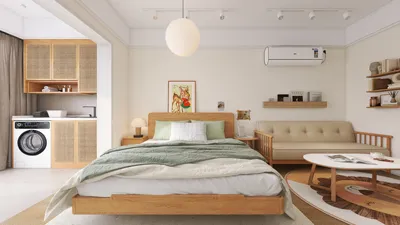


In my experience, I once persuaded a client that incorporating navy wainscoting would transform their small galley kitchen into a cozy cabin-like space — their initial hesitation vanished when I presented a sample, and their expression changed dramatically. Homeowners often feel daunted by small kitchens, yet subtle details like wainscoting can bring about significant transformations. Over a decade in the field, I've discovered that compact spaces often require bold decisions, and wainscoting remains one of my preferred methods to infuse character without incurring hefty expenses.
1. Timeless White Paired with Warm Wood Surfaces
Using white wainscoting can illuminate a compact kitchen while reflecting light, creating the illusion of a larger area. In a compact 30sqm apartment, I coupled it with warm oak countertops; the outcome was clean, classic, and adaptable to decor changes. A consideration is that it highlights scuff marks more readily, so I suggest using semi-gloss paint for more effortless maintenance.
save pin
2. Deep Navy with Stylish Brass Elements
Navy wainscoting introduces depth and offers a surprisingly contemporary aesthetic in smaller kitchens. I applied it within a galley configuration, complementing it with brass hardware and a white quartz countertop to maintain a sharp contrast. Since it can render a room slightly darker, it's essential to balance the design with ample overhead lighting or lighter cabinetry above.
save pin
3. Soft Sage Green for a Serene Natural Feel
Sage tones evoke tranquility and look stunning when combined with potted herbs lining the windowsill. For a client's request for a cottage-inspired look, I recommended sage; this color effectively concealed smudges and blended well with matte black fixtures. If your kitchen is short on natural light, opt for a lighter shade to avoid a dreary appearance.
save pin
4. Charcoal Gray with Classic Subway Tile
Charcoal wainscoting offers a stylish, grounded look that contrasts beautifully with traditional white subway tiles. In a renovation for a rental property, I chose this combination to create a sophisticated atmosphere without the need for custom cabinetry. A challenge with this palette is ensuring that other fixtures complement the charcoal tone — whether opting for warm or cool metallics must be done thoughtfully.
save pin
5. Playful Two-Tone Pastels for a Retro Feel
By layering pastel wainscoting with a slightly darker trim, you achieve a fun, dimensional appearance suitable for both modern and vintage-style kitchens. I once experimented with mint lower panels and deeper teal trim in a cozy breakfast nook, creating a cheerful and distinctive space. Maintenance for such color combinations is akin to lighter shades, so ensure you select durable paint for areas prone to cooking splatter.
For a quick visualization of these ideas, consider using a realistic planner like Homestyler to experiment with colors and layouts prior to making any commitments.
save pin
Budget Tip 1:
Painting and trim work are among the most budget-friendly strategies to revamp a kitchen. To achieve optimal results, it's wise to test large paint swatches directly on the walls and observe how they look at various times throughout the day. For rental spaces, peel-and-stick wainscoting or a semi-permanent panel system can provide flexibility, ensuring alterations are easily reversible.
save pin
Frequently Asked Questions
Q: What type of paint finish works best for kitchen wainscoting? A: I typically recommend semi-gloss due to its durability and ease of cleaning; alternatively, satin finishes are effective if you prefer less shine. Semi-gloss options withstand moisture and scrubbing better in actively used kitchens.
Q: What height should wainscoting be in a kitchen? A: Standard heights range from 32 to 36 inches, though in kitchens, I sometimes opt for heights of up to 42 inches to protect areas behind counters and enhance the proportions of rooms with taller ceilings.
Q: Is it acceptable to use dark colors for wainscoting in a small kitchen? A: Absolutely — dark tones can provide depth. Just ensure to counterbalance them with lighter countertops, backsplashes, or upper cabinets while maintaining enough lighting.
Q: Can beadboard be utilized in modern kitchen designs? A: Definitely. Beadboard can be painted in contemporary colors and pairs well with minimal hardware. It offers texture without overwhelming the area.
Q: How should I care for painted wainscoting near the stove? A: Use high-quality semi-gloss paint and promptly clean up splatters. In cooking-intensive zones, having a washable backsplash behind the stove is a wise choice.
Q: Is it possible to install wainscoting over existing tile or backsplash? A: In many instances, yes, provided the surface is even. Consulting with an installer is advisable to assess adhesion; occasionally, removing tiles is worth the effort for a smoother finish.
Q: Are there environmentally friendly paint options available for kitchens? A: Low-VOC and zero-VOC paints are effective and reduce odors — brands such as Benjamin Moore and Sherwin-Williams indicate VOC levels on their product pages (refer to EPA guidelines at https://www.epa.gov/indoor-air-quality-iaq/volatile-organic-compounds-impact-indoor-air-quality for additional information).
Q: What’s the best way to preview wainscoting colors before finalizing? A: Utilizing a 3D floor planner or design software allows you to assess colors and proportions in context; I often rely on visualization tools to present clients with realistic outcomes before the painting begins.
save pin
Homestyler is your go-to online home design platform, making it easy to transform your space. With a user-friendly design tool, stunning 3D renderings, a variety of design projects, and helpful DIY video tutorials, you can effortlessly create your dream home—no prior experience needed!
Progetta ora GRATIS
































