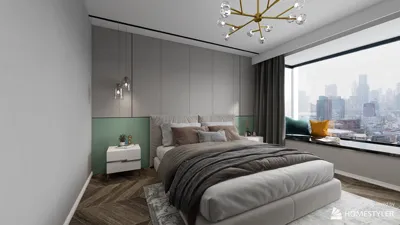


I once had a client who envisioned a bedroom that could transport them to a luxurious Parisian hotel, yet cleverly transform into a yoga studio on weekends. This request made me chuckle at first, but it opened my eyes to how small rooms can ignite creativity. Throughout my journey, I’ve compiled various strategies that allow you to create an opulent feeling in a decorative bedroom while keeping costs manageable. For those seeking real inspiration, consider exploring a space-planning case study that inspired one of my preferred layouts, particularly when using tools like Homestyler.
1. Textured bedding for instant visual appeal
I enjoy commencing a decorative bedroom with various textiles: combine a crisp duvet, a light throw, and two distinct pillow fabrics to introduce depth. This stylish enhancement is visually appealing yet budget-conscious, and it’s essential to maintain a cohesive color scheme to avoid an overly busy appearance.
save pin
2. Statement wall paired with artistic lighting
Consider painting one wall in a muted jewel tone or applying textured wallpaper, then complement it with a standout pendant or sculptural sconce. This dramatic feature wall creates a focal point, and the lighting serves as an artistic element; just be prepared for more detailed planning regarding placement and possibly a small budget allocation for quality fixtures.
save pin
3. Furniture with multiple functions to minimize clutter
In compact decorative bedrooms, I advocate for the use of storage beds, slender consoles that can also serve as vanities, or slim armchairs with concealed storage — each choice maintains a stylish and practical atmosphere. If you're interested in the synergy of different elements, this kitchen layout inspiration provided insightful lessons on flow, many of which I've adapted for bedroom designs in tiny apartments, often utilizing Homestyler to visualize layouts.
save pin
4. A curated gallery wall with personal mementos
A well-planned gallery wall shares a narrative and gives a decorative bedroom a lived-in charm; mix various frame styles, integrate small shelves, and allow for rotation of displayed objects. The advantage is the infusion of personality; however, be mindful of keeping a cohesive selection to avoid a cluttered look, as I suggest maintaining a consistent palette and similar frame widths.
save pin
5. Incorporating natural elements and greenery
Adding plants, woven baskets, and a wooden bedside tray enhances warmth and texture in a decorative bedroom; these elements not only soothe the environment but also photograph beautifully. Just keep in mind the light requirements and pet safety — if you’re eager to see how everything might look in a 3D format, consider utilizing a tool like Homestyler for visualizations.
save pin
FAQ
Q1: How would you define a decorative bedroom?
It’s a space where form and function harmonize — careful selections of textiles, lighting, and personal touches converge to create a cohesive and inviting aesthetic. My aim is to strike a balance so it feels curated yet still usable.
Q2: How can I enhance a small bedroom without creating clutter?
Opt for multifunctional furnishings, maintain a streamlined color palette, and employ vertical storage to keep floor space open. Conducting regular assessments (each season) helps maintain an airy environment.
Q3: Which color schemes work best for a decorative bedroom?
Soft, muted tones and cool neutrals are often recommended for cultivating relaxation; according to the National Sleep Foundation, these soothing colors can significantly improve sleep quality. I tend to favor gentle blues, warm greys, or muted greens in my designs.
Q4: What’s the secret to expertly layering bedding?
Begin with a fitted sheet and duvet, add a lightweight blanket, then finish with two types of pillows and a folded throw at the bed’s foot. Sticking to 2–3 colors ensures cohesiveness and prevents visual clutter.
Q5: Do plants genuinely enhance the ambiance of my bedroom?
Absolutely — plants provide texture, soften sharp edges, and enhance the perceived quality of air. Choose low-light, easy-care species if your space doesn't get much natural light.
Q6: What are some cost-effective decorative swaps?
Consider swapping out items like cushions, rugs, and light fixtures for a significant visual boost without the need for extensive renovations. Painting is also a budget-friendly approach to transform the space.
Q7: How critical is lighting in a decorative bedroom?
Extremely important — layered lighting (ambient, task, accent) sets the mood and enhances functionality. Dimmer switches and adjustable lamps offer the versatility needed for both reading and relaxation.
Q8: Where can I practice design layouts before purchasing furniture?
I suggest utilizing a planning tool or exploring case studies to visualize proportions and flow, helping you avoid returns and sizing errors; incorporating Homestyler can save you time and money in the long run.
save pin
Homestyler is your go-to online home design platform, perfect for bringing your creative visions to life! With its user-friendly design tool, stunning 3D renderings, and a wealth of design projects and video tutorials, you can effortlessly craft your ideal space—whether you're a novice or a pro!
立即免费设计
































